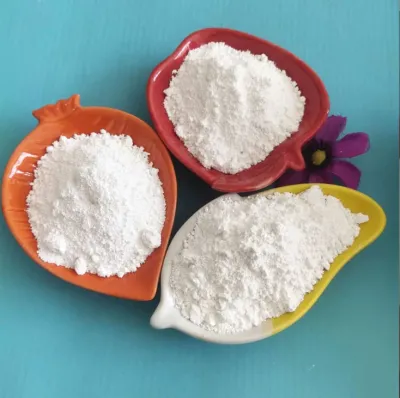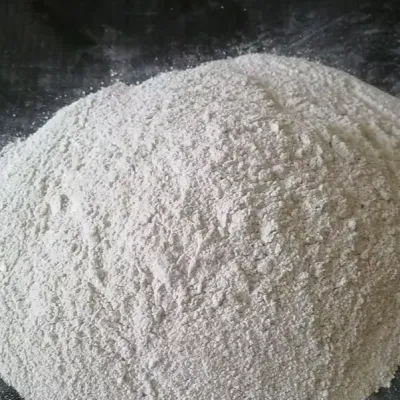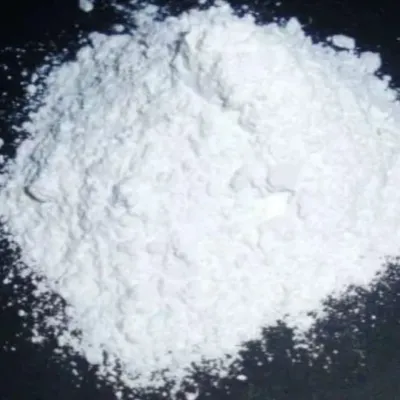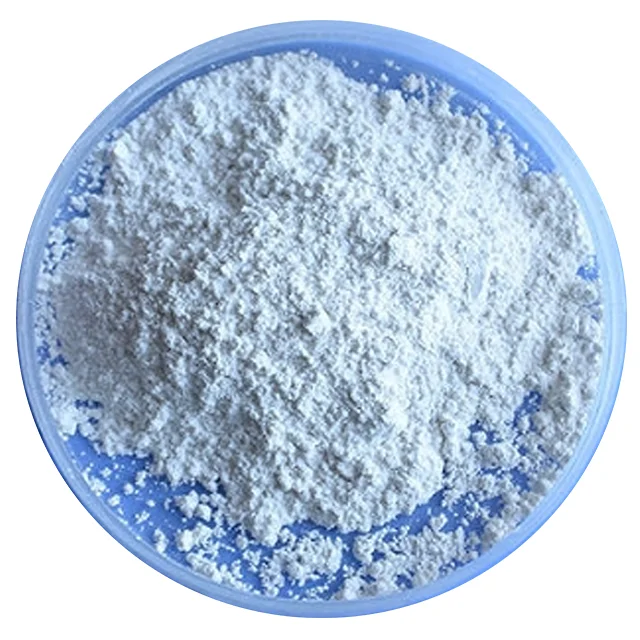
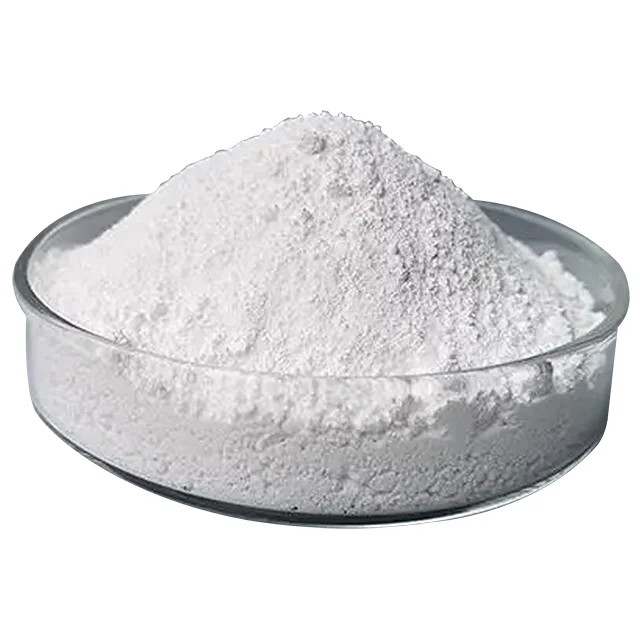
Industrial Barium Sulphate White Powder, 98% Min, for Paint, Printing Ink and Rubber Enquiries
-
ColorWhitePhysical formPowder
-
CAS No.7727-43-7Purity98%min
-
Appearancewhite powder, white powderApplicationpaint,printing inkling,rubber
-
ClassificationSulphateEINECS No.231-784-4
-
Grade StandardIndustrial GradeMolecular FormulaBaO4S
-
Other NamesbaritopgpowderTypeBarium Sulfate
-
CAS7727-43-7Melting point1580 °C
-
Boiling pointdecomposes at 1580℃ [KIR78]density4.5
-
solubilitywater: insolubleGradeIndustral Grade
-
ColorWhite ColorSampleAvailiable
-
PH7.9
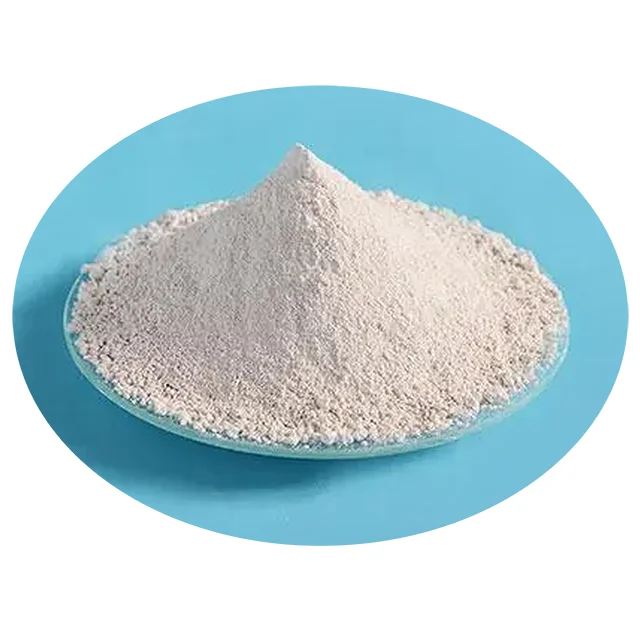
Paint, printing-ink and rubber formulations need a filler enquiry tied to the actual system and its acceptance criteria. This industrial barium sulfate is described as white powder with a 98% minimum-purity designation. The stated formula is BaO4S.
Match the sulfate grade to the formulation brief
Describe the intended binder or rubber system and the measurements used to assess a trial material. Request current assay and relevant constituent analysis for the sample. White appearance and minimum purity do not establish dispersion, gloss, reinforcement or compatibility with every formulation.
Confirm route and particle evidence before comparison
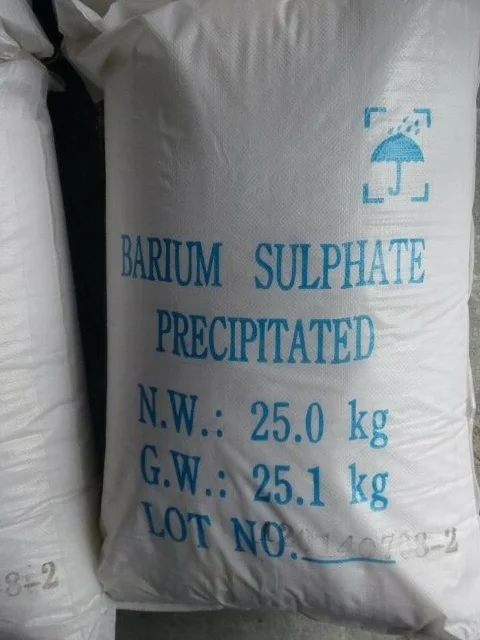
Ask whether the offered grade is natural or precipitated and obtain its current particle-distribution report. Review any whiteness result with the method and scale used. Request density information with explicit units and the reporting basis needed by the project rather than assuming a bulk-density value.
Keep reported pH and solubility within their test context
Material pH is stated as 7.9, so confirm the sample preparation and measurement procedure. Water solubility is described as insoluble. Neither description supplies an operating condition or predicts behaviour in the intended paint, ink or rubber system.
- Thermal information
- Obtain a current relevant thermal report if the actual process requires that evidence.
- Application acceptance
- Assess the sample under controlled formulation conditions using the agreed project criteria.
Retain technical and handling records with the material identity and trial observations. Complete the grade-specific comparison before deciding whether the powder meets the intended formulation requirements.