Industrial Basic Nickel Carbonate, 45–48% Nickel, for Catalyst and Ceramic Pigment Enquiries
-
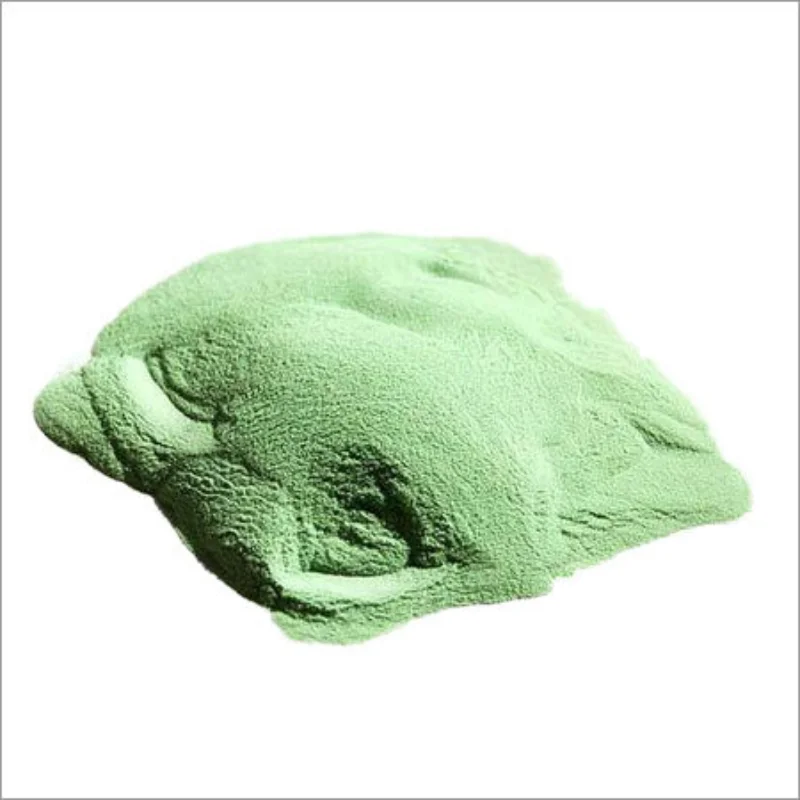
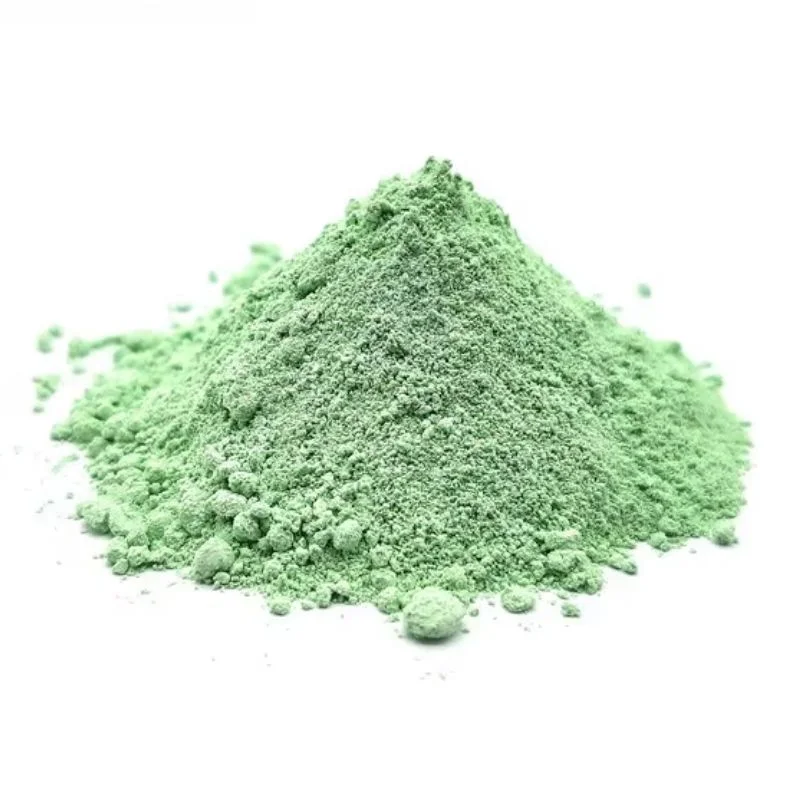
ColorLight greenPhysical formPowder
-
CAS No.12607-70-4Purity45%
-
AppearanceLight Green PowderApplicationBattery Materials, Catalysts, Electroplating Chemi
-
ClassificationCarbonateEINECS No.235-715-9
-
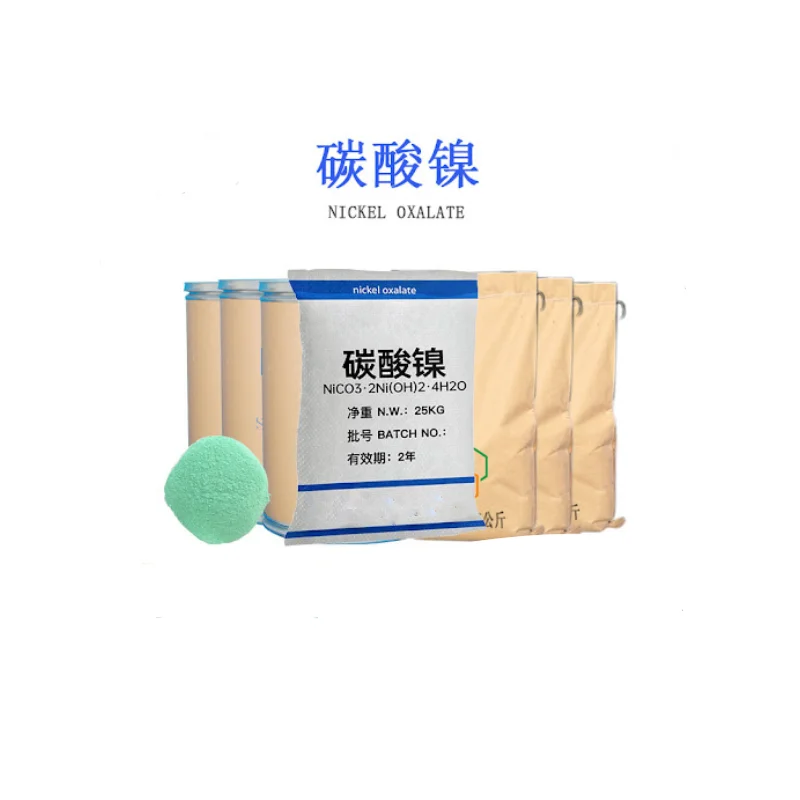
Grade StandardIndustrial GradeMolecular FormulaNiCO3*2Ni(OH)2*4H2O
-
Other NamesBasic Nickel Carbonate; Nickel Carbonate Basic; NiTypeNickel Carbonate
-
Product NameBasic Nickel CarbonateNickel Content45%-48%
-
DensityApprox. 3.5-4.0 g/cm³Water SolubilityInsoluble in Water
-
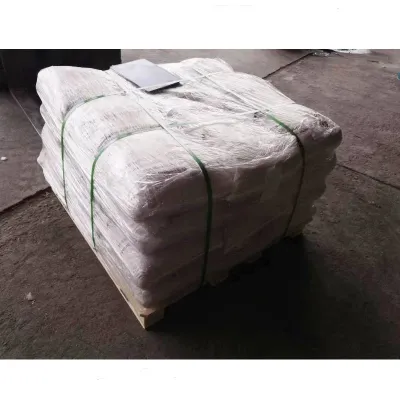
pH Value7.0-9.0Packing25kg PP Bag with PE Liner; 500kg/1000kg Jumbo Bag
-
HS Code2836999000Shelf Life24 Months
-
StorageStore in a Cool, Dry and Well-Ventilated PlaceSampleAvailiable
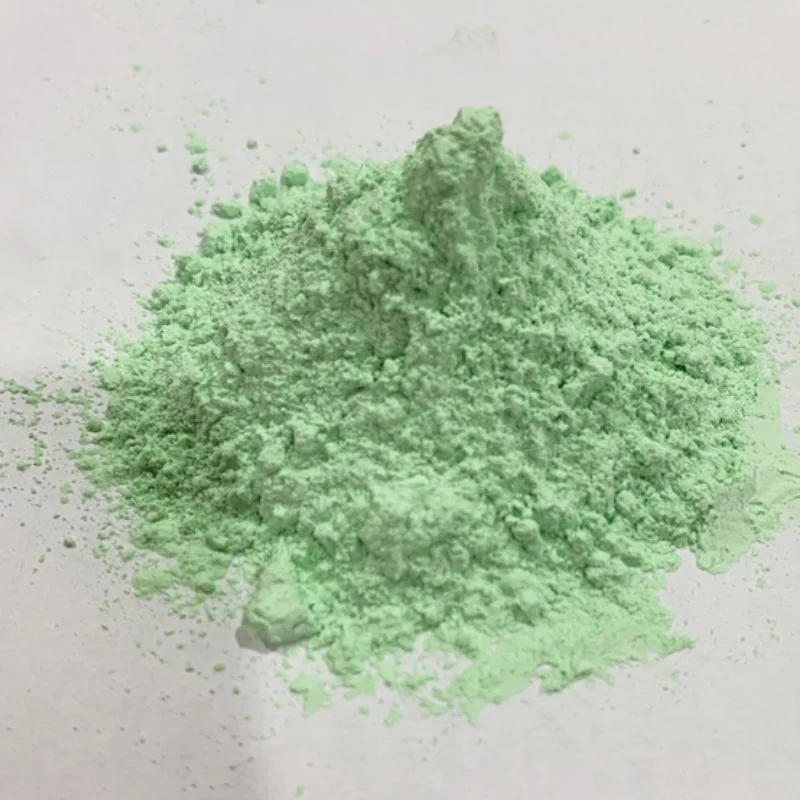
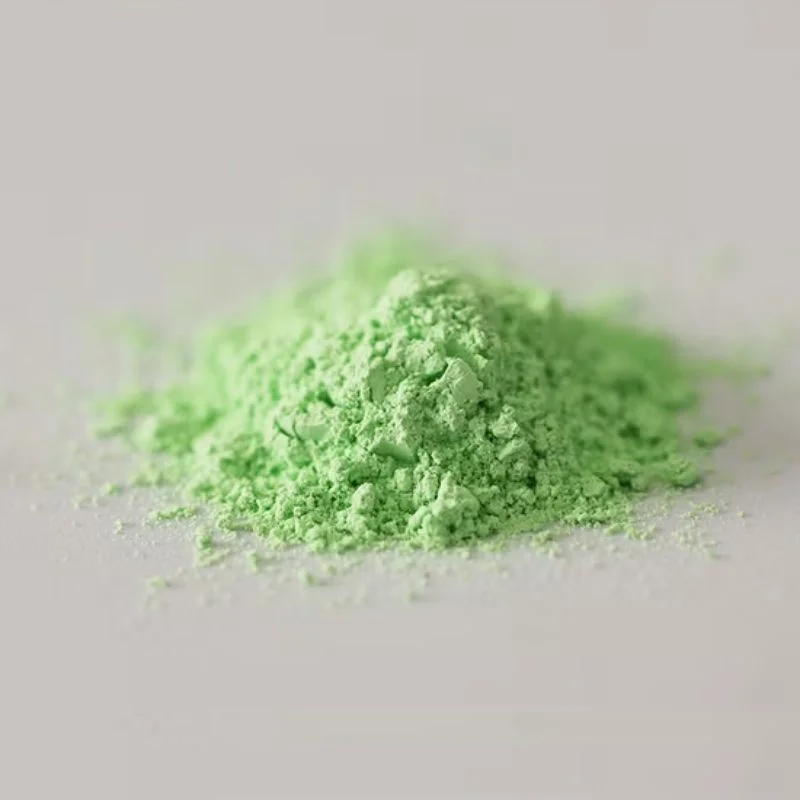
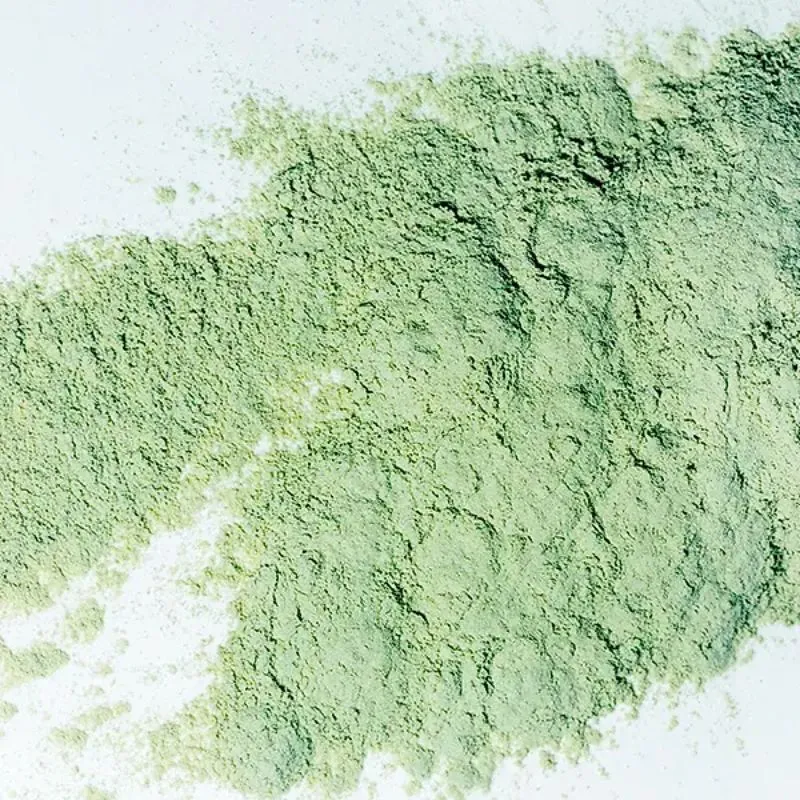
A catalyst raw-material brief should name the process and the result that will determine acceptance. This industrial basic nickel carbonate is a light green powder with stated nickel content of 45–48%. Ceramic pigment projects are another stated enquiry context for the material.
Build the catalyst enquiry around measured acceptance
Describe the intended reaction system and identify which constituent limits matter to the project. Ask for current nickel and impurity analysis linked to the evaluation sample. A nickel-content range does not demonstrate catalyst activity or establish the purity of the entire compound.
Keep ceramic pigment assessment specific to the project
Agree the actual composition and processing conditions before evaluating a pigment application. Judge the resulting material against the criteria defined for that trial. The industrial-grade label alone does not predict a fired colour, a shade match or repeatable finished-product performance.
Read the basic carbonate measurements in context
- Material identity
- The stated formula is NiCO3*2Ni(OH)2*4H2O; request appropriate current identity documents.
- Reported material pH
- The range is 7.0–9.0; obtain the preparation procedure and test concentration.
- Approximate density
- The stated range is 3.5–4.0 g/cm³; confirm the test basis before comparing reports.
Arrange a sample review that brings together the analytical documents, physical measurements and actual-process results. If the purchase requires certification, check the current document and its applicable scope. Use separate acceptance criteria for catalyst and ceramic pigment work rather than transferring conclusions from one trial to the other.