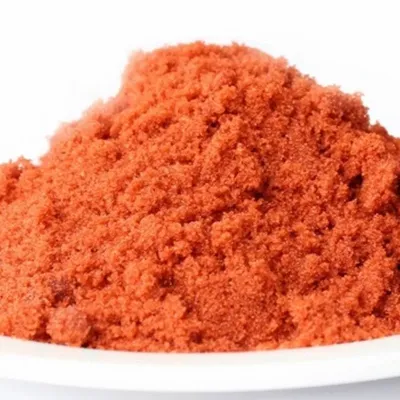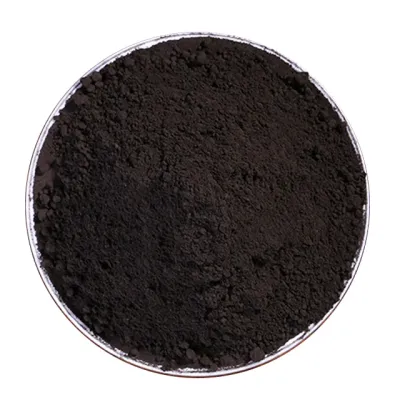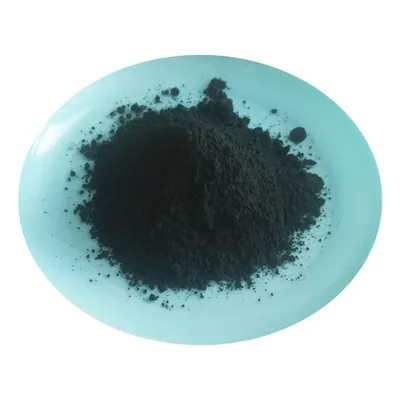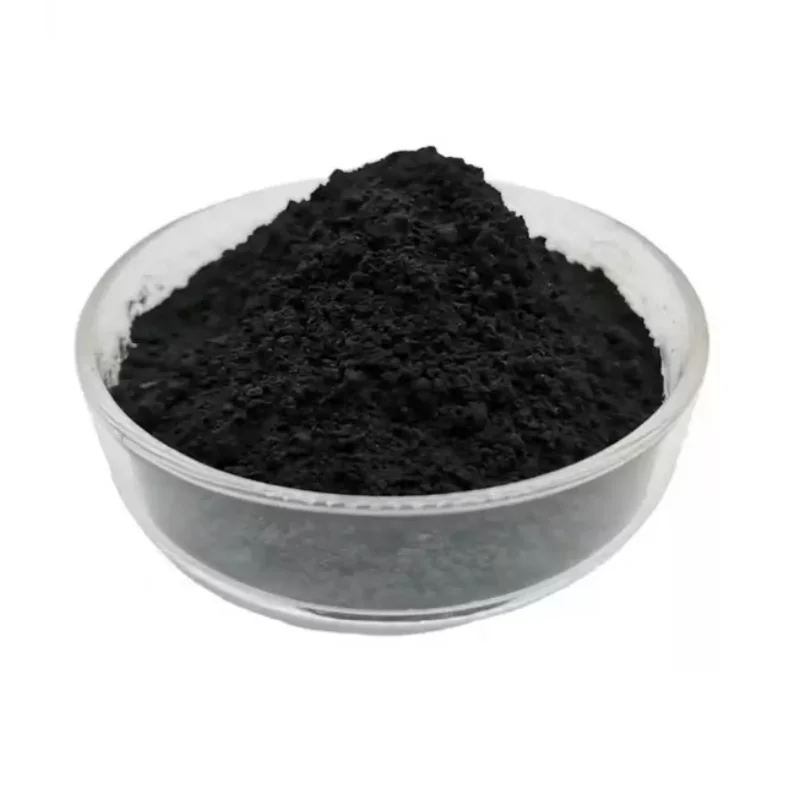
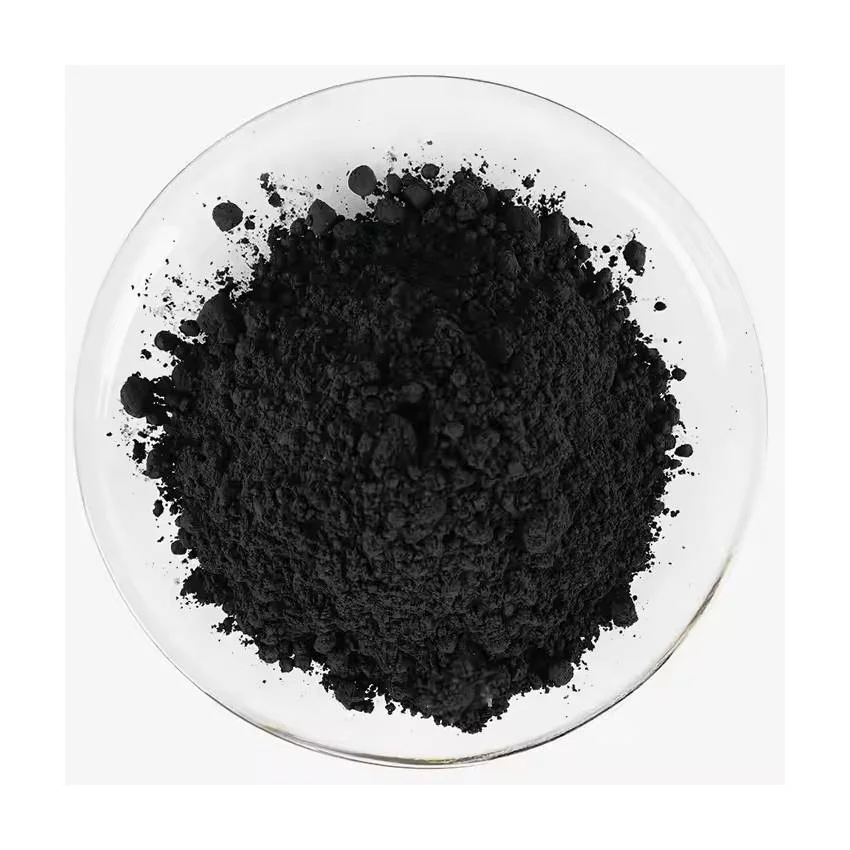
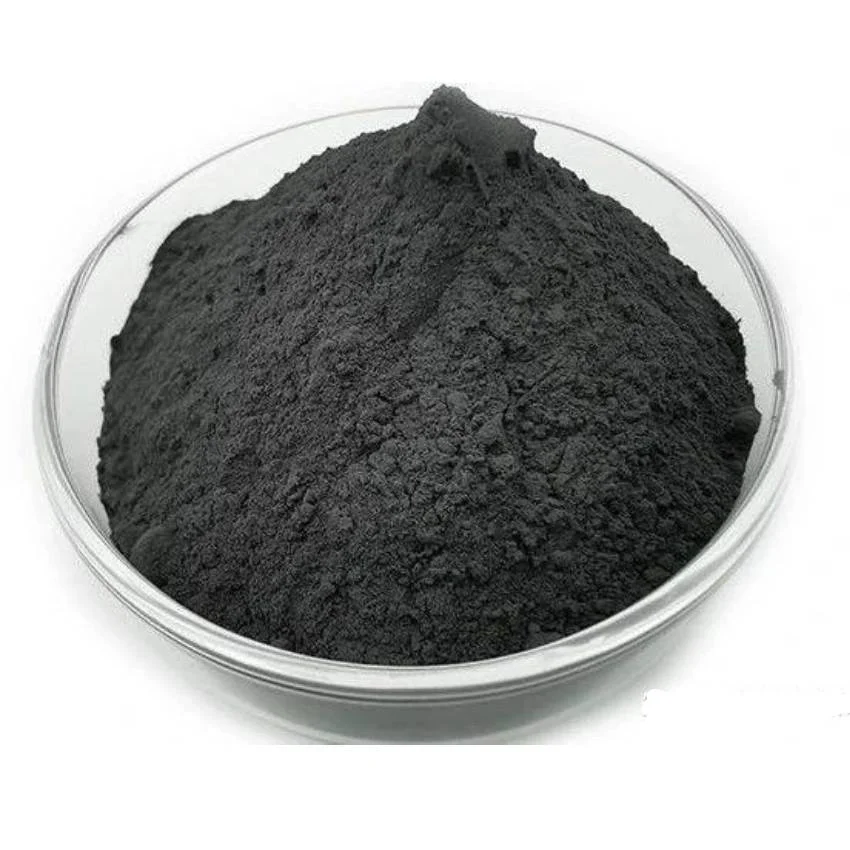
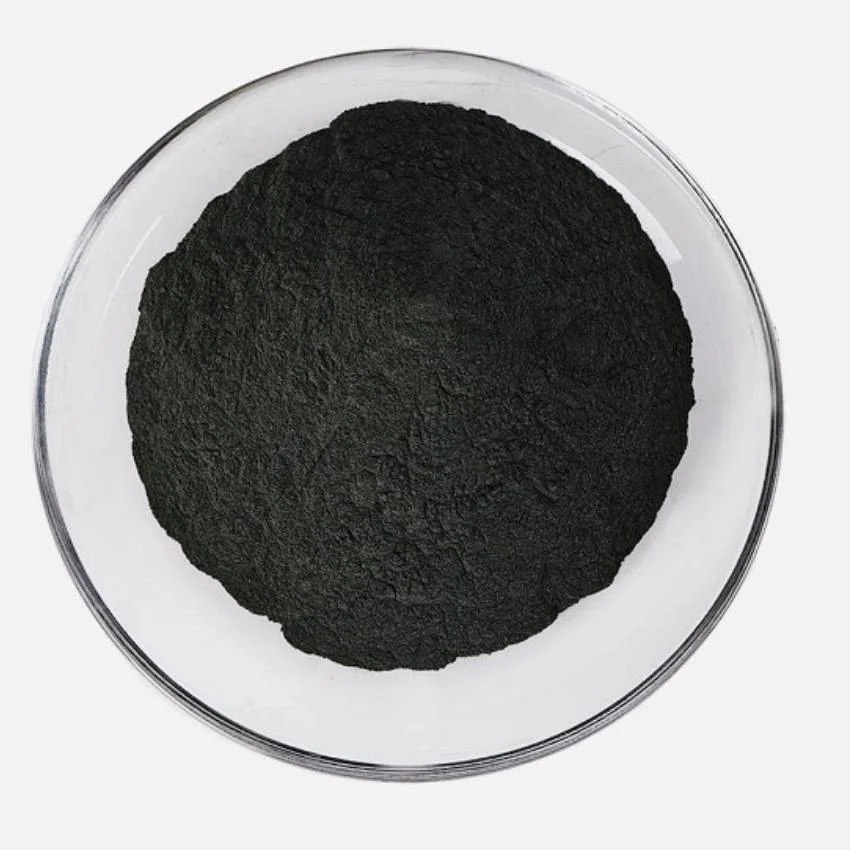
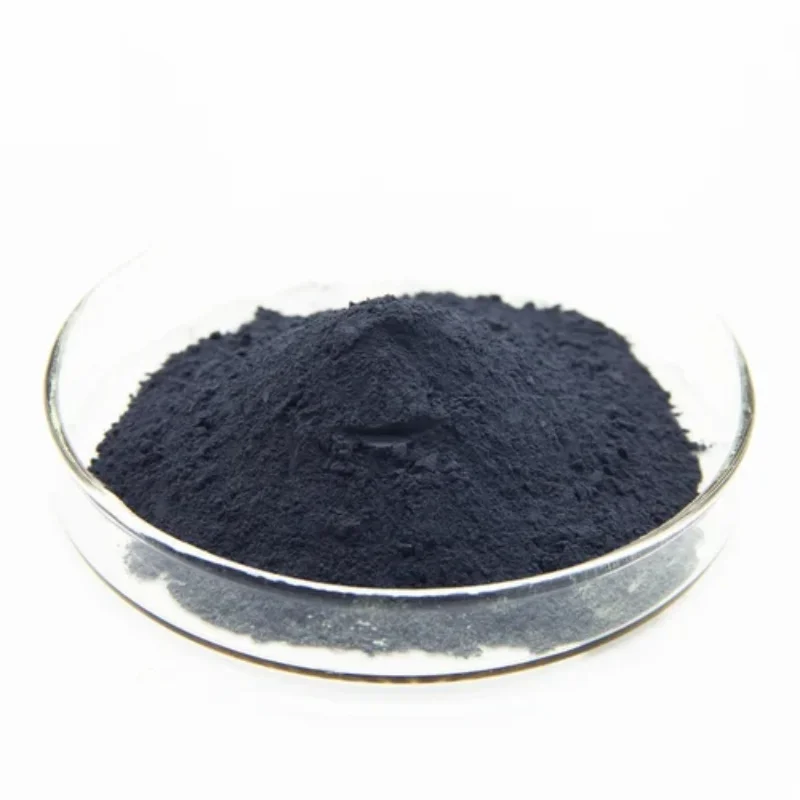
Industrial Cobalt Oxide Black Powder for Glass and Ceramic Material Trials, TY-Cobalt Oxide
-
ColorBlackPhysical formPowder
-
CAS No.1307-96-6Purity99%
-
AppearanceBlack PowderApplicationLithium Battery Materials, Ceramic Pigments, Glass
-
ClassificationCobalt OxideEINECS No.215-154-6
-
Grade StandardIndustrial GradeMolecular FormulaCoO
-
Other NamesCobalt Monoxide / Cobalt TetroxideOxide TypeMetal Oxides
-
Molecular Weight74.93SolubilityInsoluble in Water
-
Density6.44 g/cm³MOQ1 MT
-
Packaging25kg Bag, 500kg Bag, 1000kg Jumbo BagSupply Ability500 MT per Month
-
SampleAvailableCertificateISO, COA, MSDS
A glass or ceramic material trial needs a defined process brief and an agreed way to judge the result. TY-Cobalt Oxide identifies an industrial cobalt-oxide family material described as black powder, suitable for an initial documentation enquiry.
Confirm the oxide identity required by the trial
Obtain actual-phase identification linked to the offered model before comparing a phase-specific grade. A family name and black appearance do not settle the particular oxide phase, so the requested assay and impurity limits should correspond to the confirmed material.
Describe the glass or ceramic acceptance observations
State the actual application and the measurements needed to accept the material trial. The listed glass and ceramic-pigment directions do not supply a finished colour, colour-strength result or firing instruction; those questions require evidence from the relevant process.
- Material comparison
- Actual phase, current analysis and required powder measurements with methods and sample references.
- Application comparison
- The project’s process conditions and trial observations assessed against its acceptance criteria.
Keep each application decision tied to its evidence
Lithium battery materials are another stated direction, with their own qualification requirements. Evidence from one use should not be treated as a general assurance for a different process or finished application.
Ask about an available TY-Cobalt Oxide sample with the glass or ceramic trial questions clearly stated. Confirm terms and request current safety and technical information and any relevant ISO scope. A specific-phase recommendation should wait for actual identity and qualification records, rather than an assumed quality advantage or colour outcome.