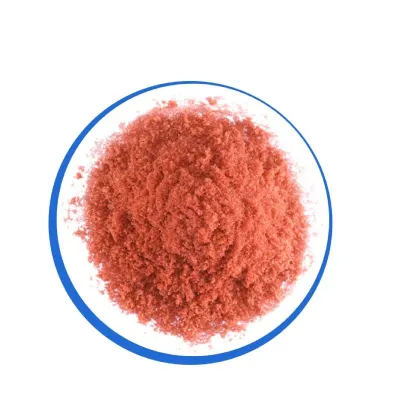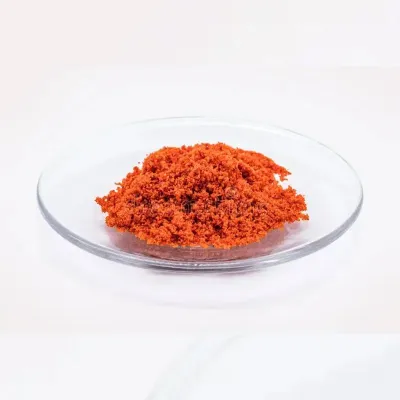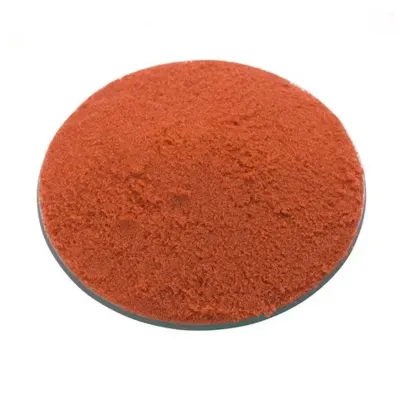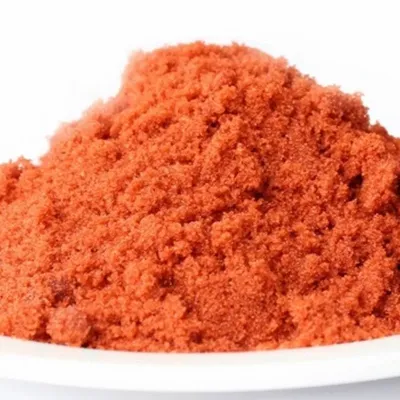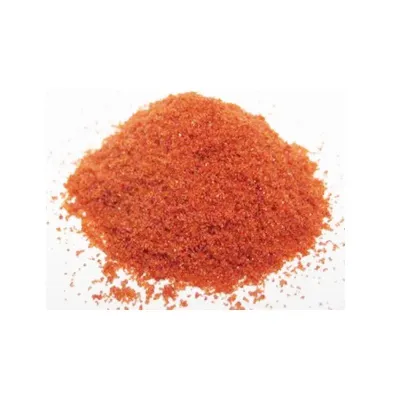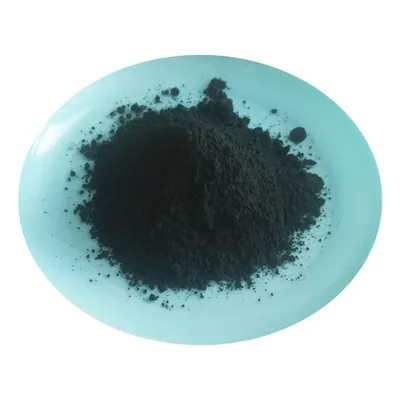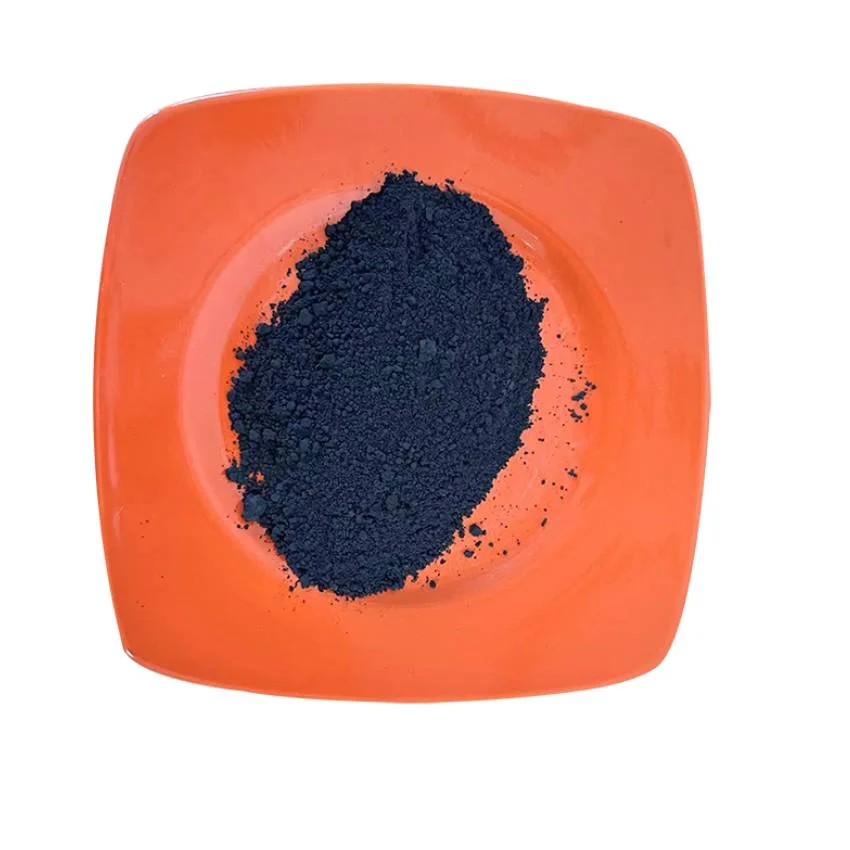
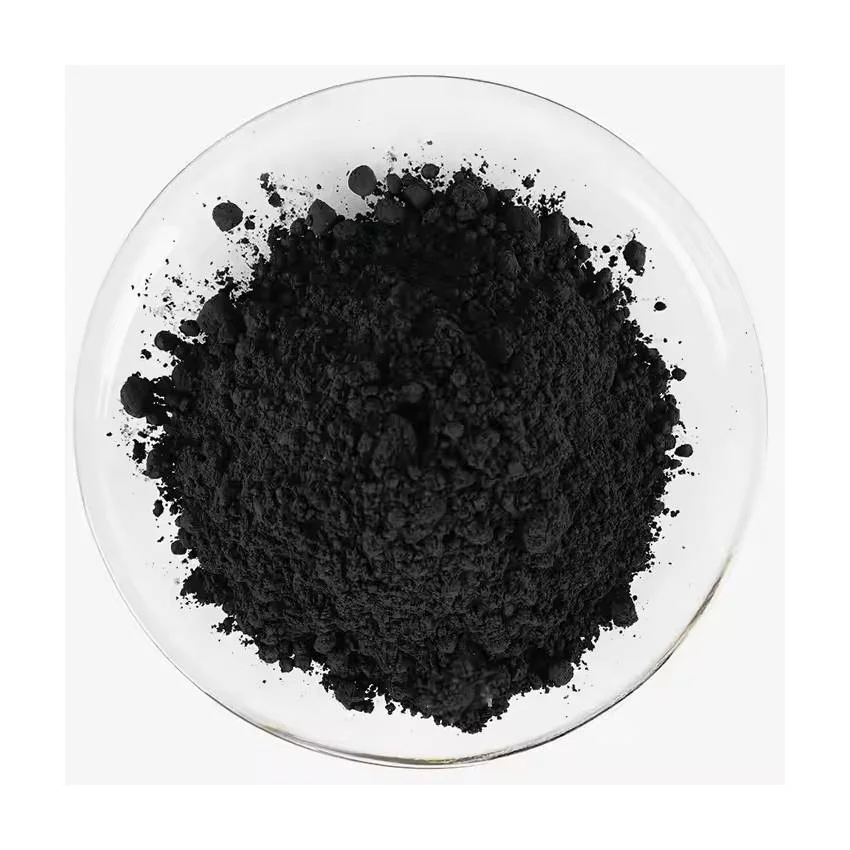
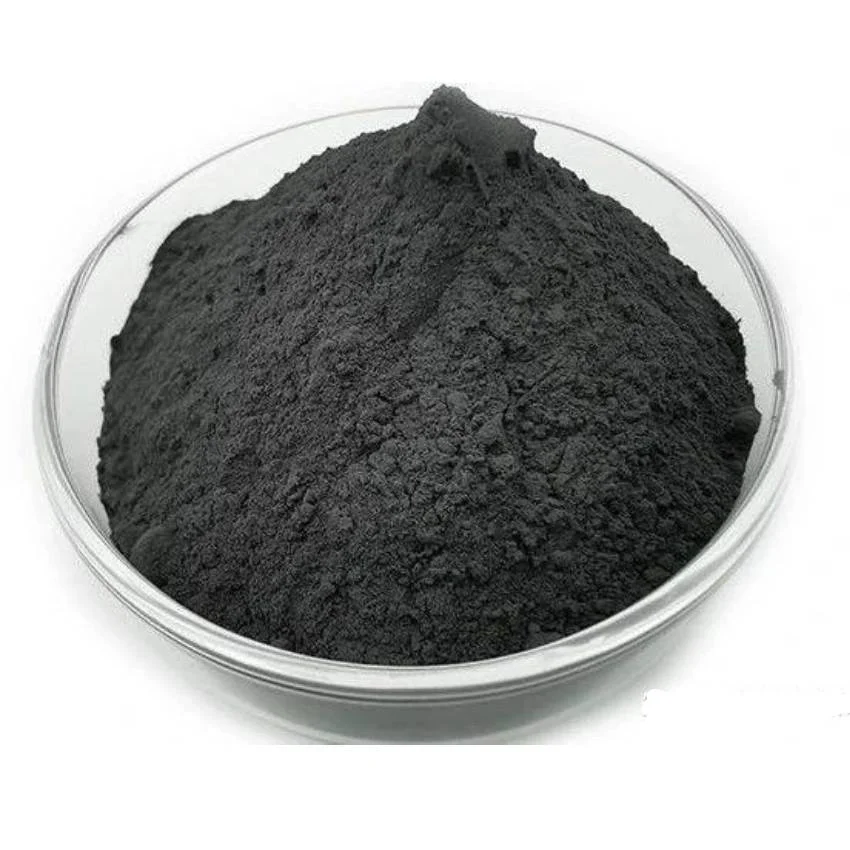
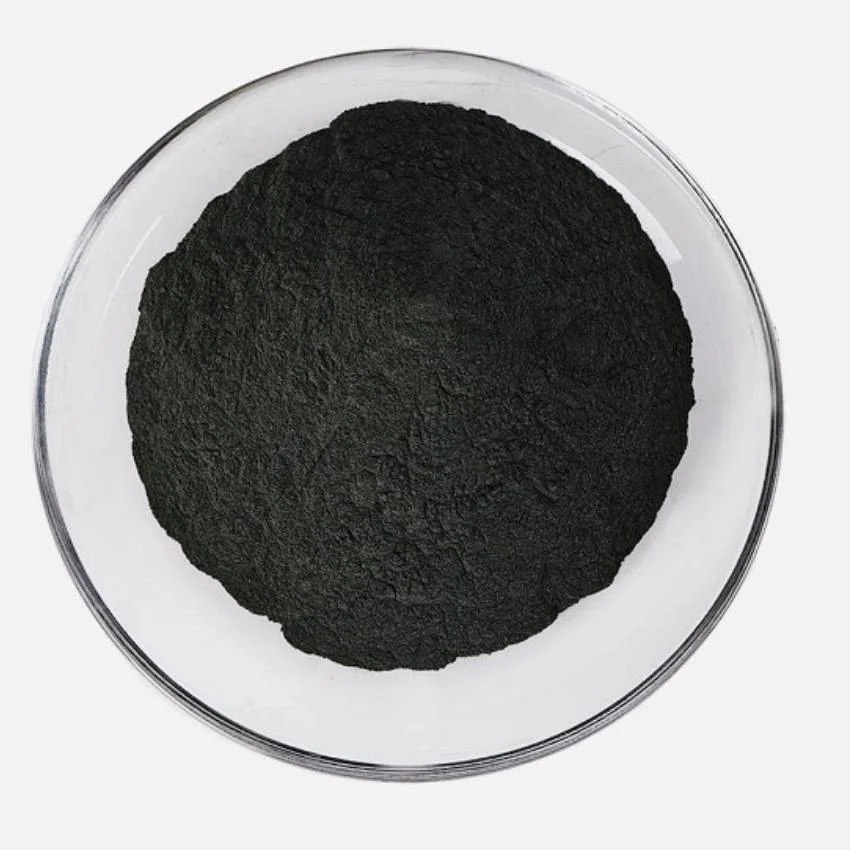
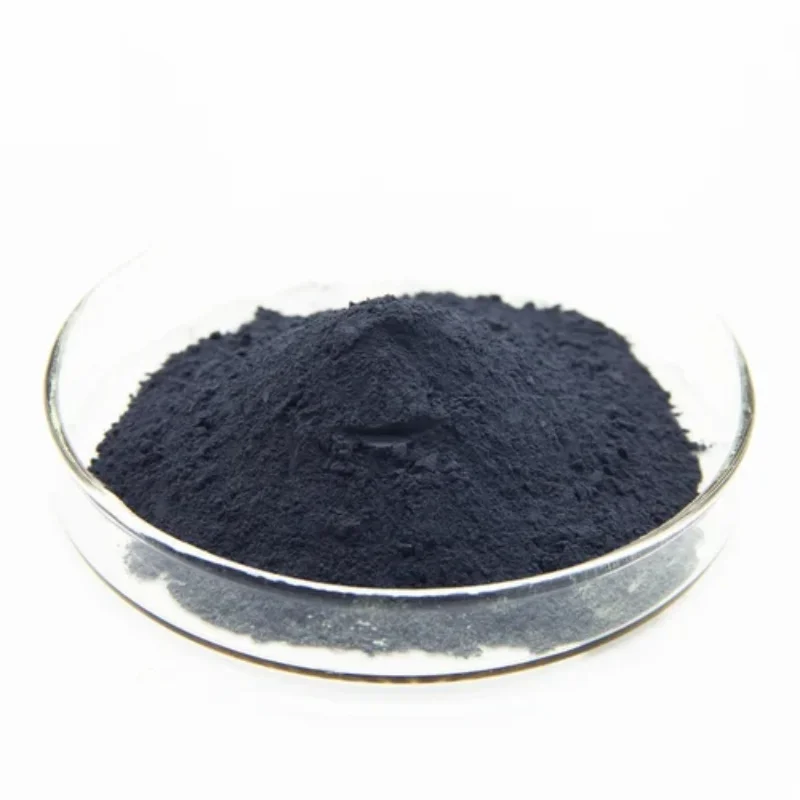
Industrial Cobalt-Oxide Powder, TY-Cobalt Oxide, for Ceramic-Pigment and Glass Qualification Enquiries
-
ColorBlackPhysical formPowder
-
CAS No.1307-96-6Purity99%
-
AppearanceBlack PowderApplicationLithium Battery Materials, Ceramic Pigments, Glass
-
ClassificationCobalt OxideEINECS No.215-154-6
-
Grade StandardIndustrial GradeMolecular FormulaCoO
-
Other NamesCobalt Monoxide / Cobalt TetroxideOxide TypeMetal Oxides
-
Molecular Weight74.93SolubilityInsoluble in Water
-
Density6.44 g/cm³MOQ1 MT
-
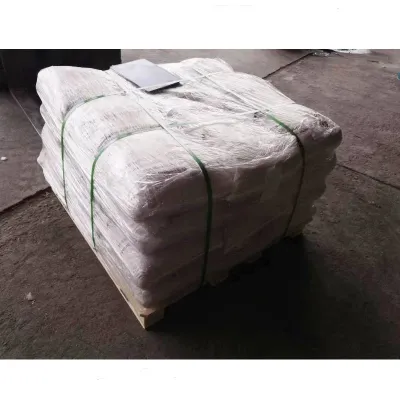
Packaging25kg Bag, 500kg Bag, 1000kg Jumbo BagSupply Ability500 MT per Month
-
SampleAvailableCertificateISO, COA, MSDS
Ceramic-pigment and glass projects should define their accepted material evidence and process results separately. Industrial TY-Cobalt Oxide is a black cobalt-oxide powder offered for those material enquiries, with samples available to support a documented qualification discussion.
Define the ceramic-pigment acceptance measurements
Specify the required oxide identity, chemical limits and actual pigment-system measurements before assessing the powder. A black appearance identifies the offered form, while the required colour or other finished-system result needs relevant process evidence rather than an assumed pigment response.
Give the glass enquiry its own technical brief
Describe the intended glass process and the accepted material and output measurements. Obtain current actual phase identification, composition basis, impurities and relevant particle data for the model, because acceptance in a ceramic direction does not establish the grade needed for glass.
- Ceramic evidence
- Named material requirement and actual pigment-system qualification.
- Glass evidence
- Required powder analysis and relevant glass-process acceptance.
Confirm the actual powder behind the sample
Request analytical reports that identify TY-Cobalt Oxide and the oxide phase of the material being assessed. Confirm sample terms, current safety documents and applicable certification scope before making a phase-specific or application-grade conclusion.
Lithium-battery materials are also a stated enquiry direction, with separate qualification requirements. Include the chosen process and requested identity reports in the technical exchange so the offered family-level powder is assessed through actual grade evidence and relevant results rather than a presumed oxide composition or finished-material benefit.