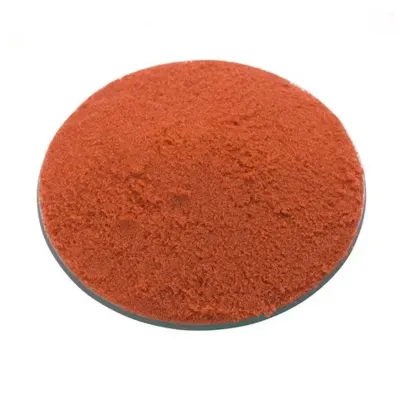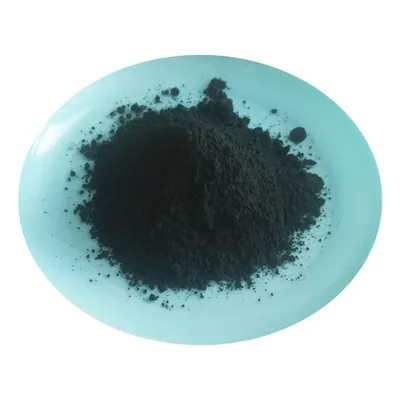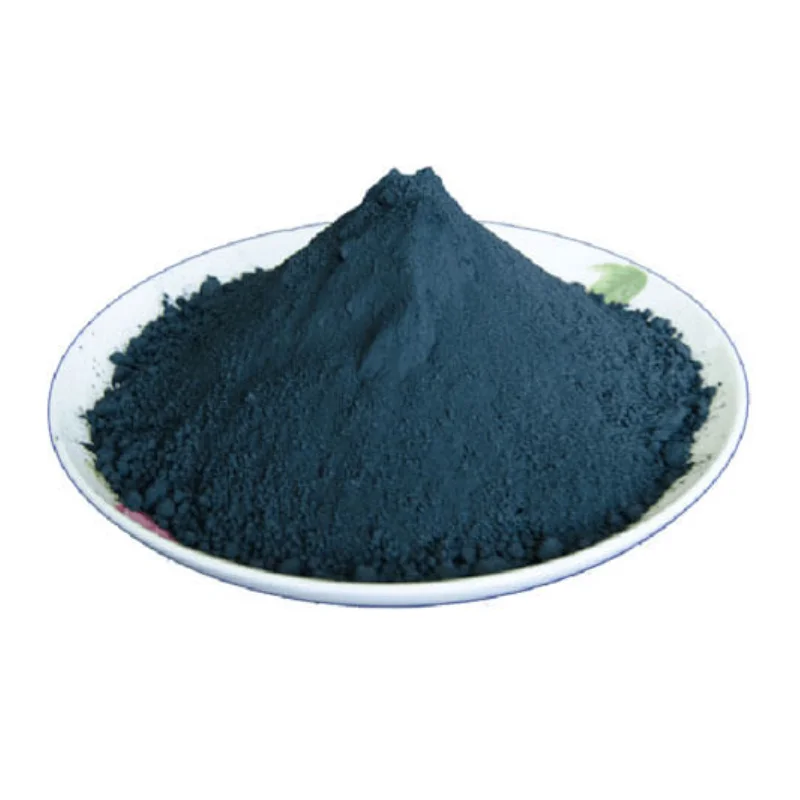
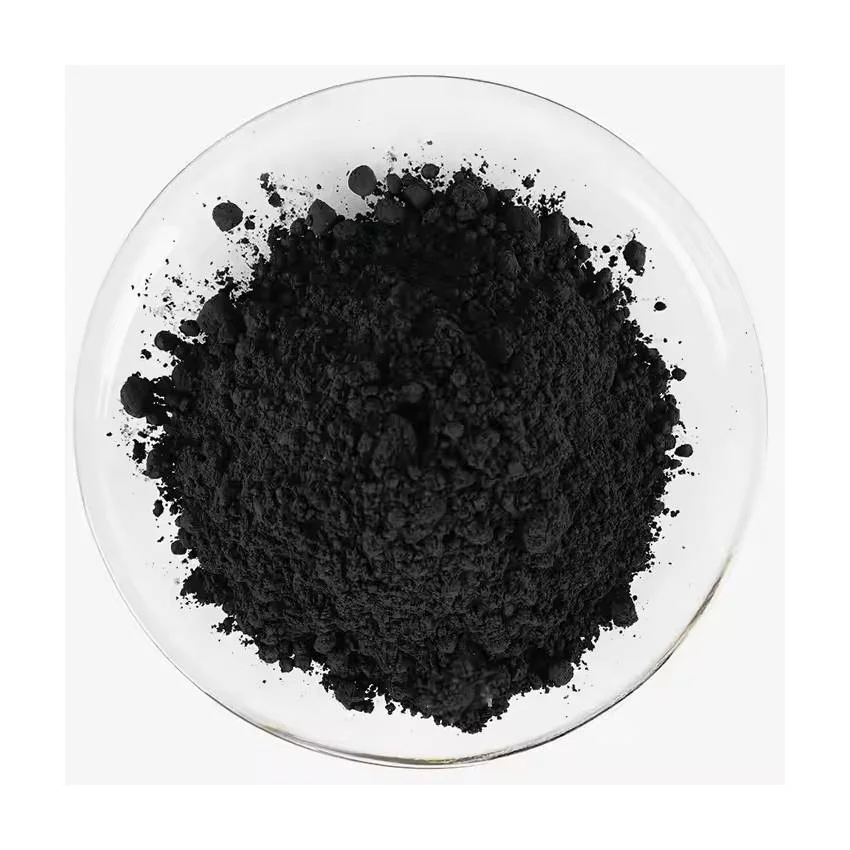
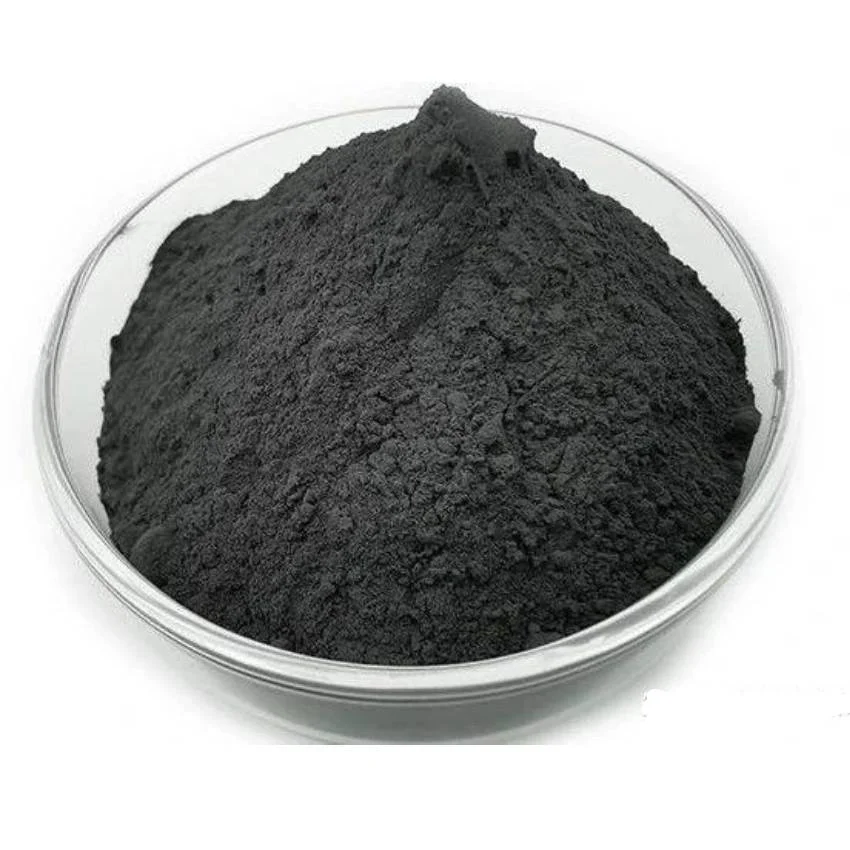
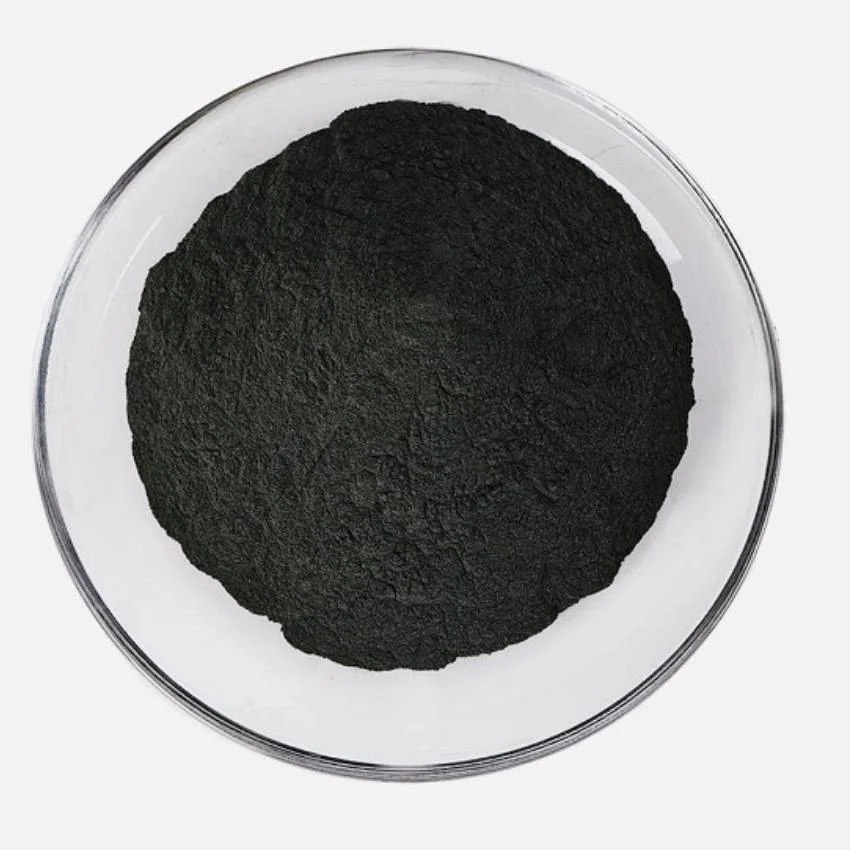
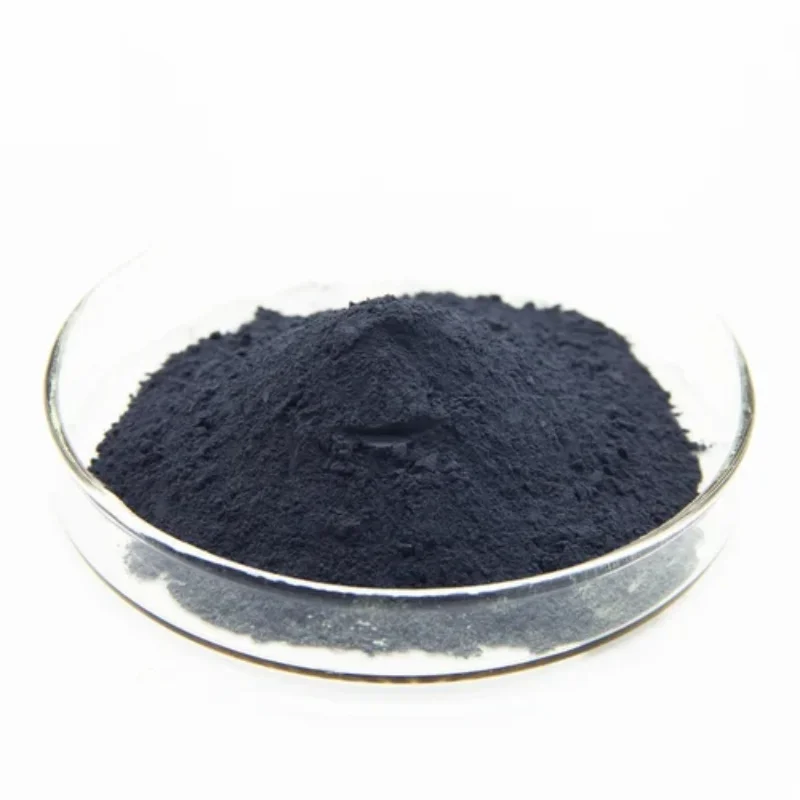
Industrial Cobalt Oxide TY-Cobalt Oxide Black Powder for Ceramics, Glass and Electronics Enquiries
-
ColorBlackPhysical formPowder
-
CAS No.1307-96-6Purity99%
-
AppearanceBlack PowderApplicationLithium Battery Materials, Ceramic Pigments, Glass
-
ClassificationCobalt OxideEINECS No.215-154-6
-
Grade StandardIndustrial GradeMolecular FormulaCoO
-
Other NamesCobalt Monoxide / Cobalt TetroxideOxide TypeMetal Oxides
-
Molecular Weight74.93SolubilityInsoluble in Water
-
Density6.44 g/cm³MOQ1 MT
-
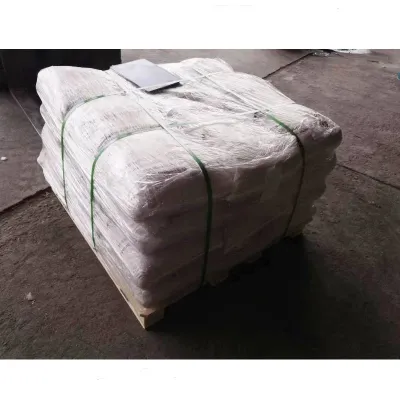
Packaging25kg Bag, 500kg Bag, 1000kg Jumbo BagSupply Ability500 MT per Month
-
SampleAvailableCertificateISO, COA, MSDS
Ceramic, glass and electronic projects should specify the oxide phase required before selecting a cobalt raw material. TY-Cobalt Oxide is described as an industrial cobalt-oxide black powder. These industries are named enquiry contexts for the material.
Confirm the oxide phase needed by the ceramic project
Request phase identification for the actual sample and compare it with the required material specification. Review the composition report on a clearly declared analytical basis. A generic cobalt-oxide name does not establish a particular oxide phase or a phase-specific purity.
Define glass and electronic acceptance separately
Describe the actual formulation or process and the measurements used to judge the trial material. Ask for the current constituent and particle information relevant to that system. An application label does not demonstrate a fired colour, an electronic property or compatibility with every process.
Build the sample review around identity evidence
- Phase and composition
- Obtain current phase identification and the assay basis for the material provided.
- Physical information
- Review the actual particle description and relevant test methods after the material identity is established.
- Process qualification
- Assess controlled results against the criteria agreed for the intended project.
Lithium-battery-material enquiries need their own component and qualification evidence. Keep the current technical and handling documents with the sample identity and trial observations. Complete the phase-specific document review before deciding whether the powder can be selected for the intended formulation.