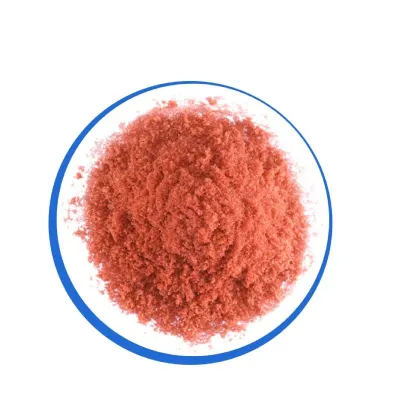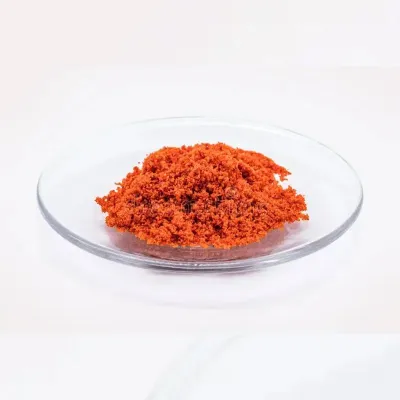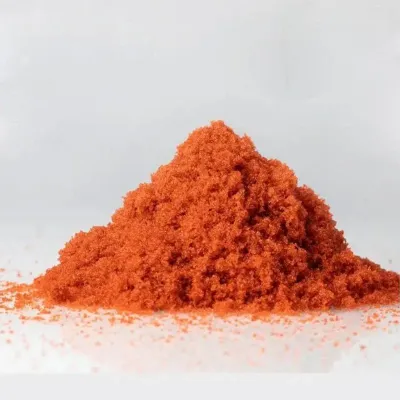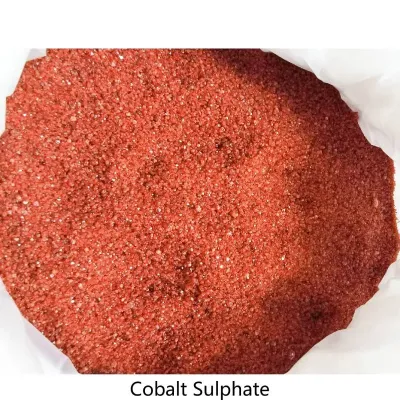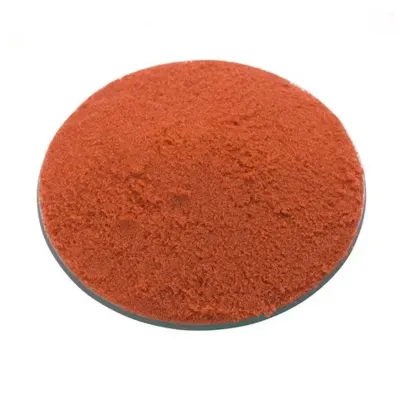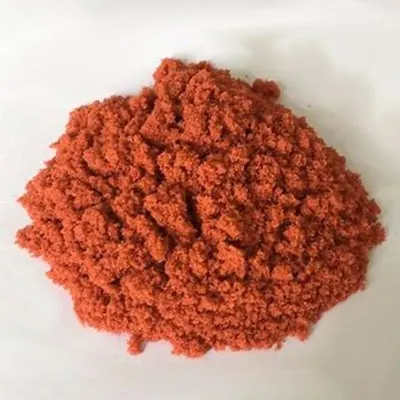
Industrial Cobalt Sulfate Heptahydrate Co 21% for Battery Industry and Alloy-Manufacturing Material Trials
-
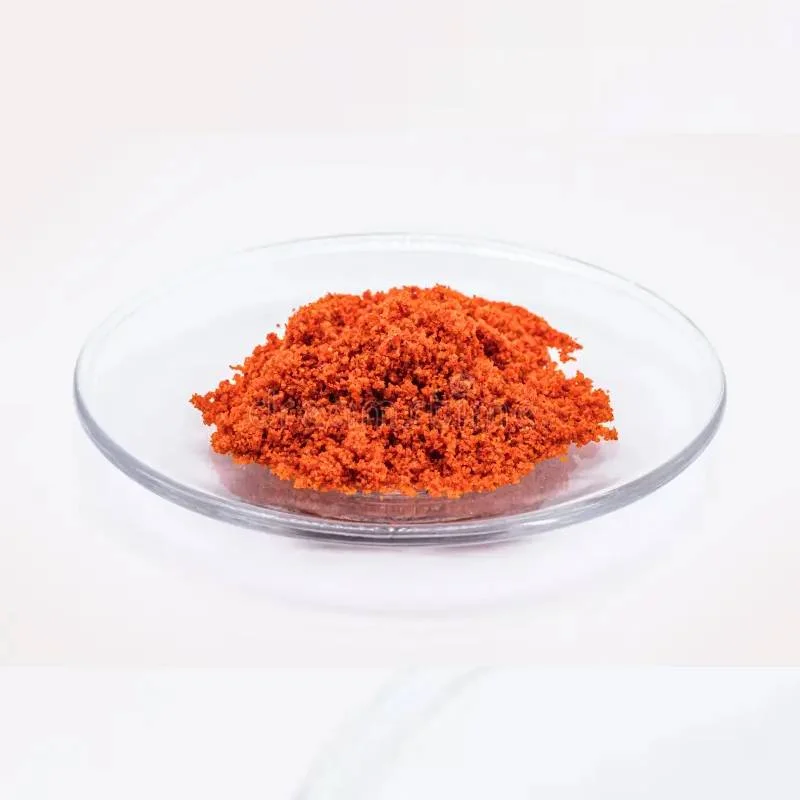
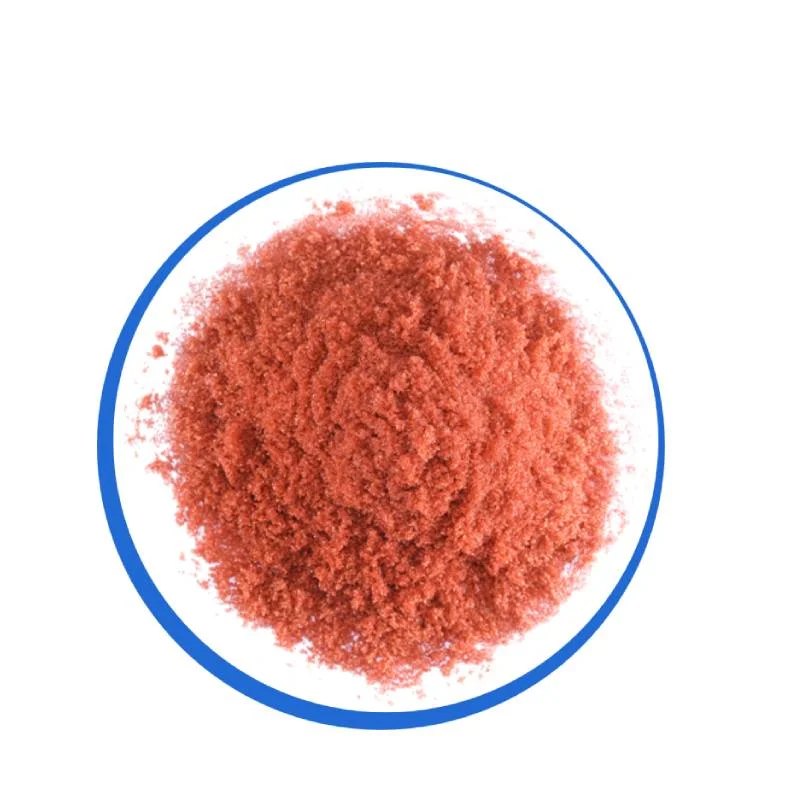
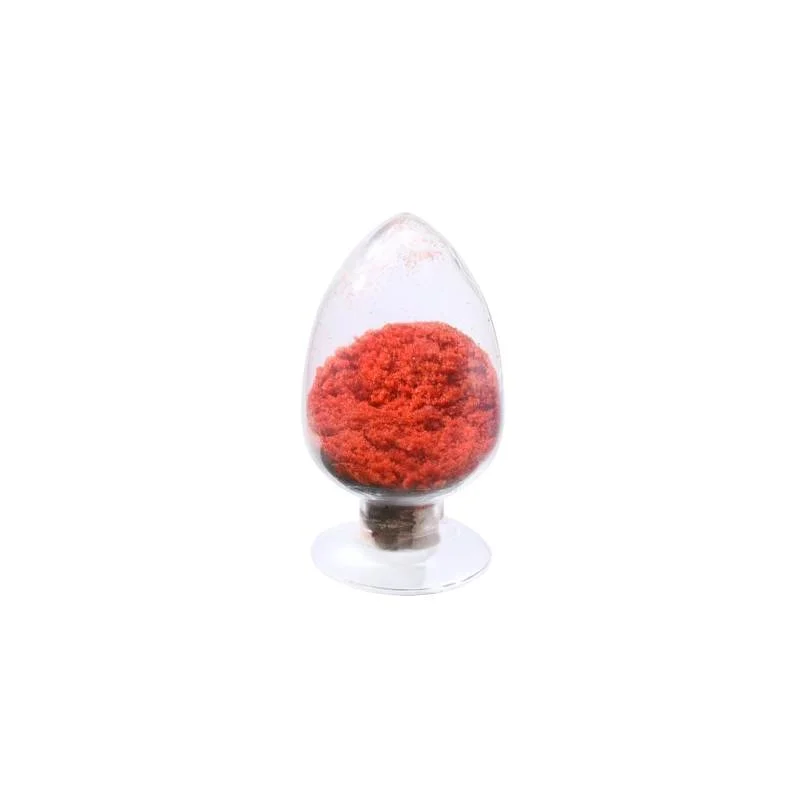
ColorRed-brown
-
CAS No.10026-24-1PurityCo 21%
-
AppearanceRed-brownApplicationcobalt salt, Lithium battery, Electroplating, Catalyst, Pigment and ceramic
-
ClassificationSulphateEINECS No.600-050-9
-
Grade StandardIndustrial GradeMolecular FormulaCoSO4*7H2O
-
Other NamesCobalt Sulfate Heptahydrate, Cobalt sulfate, Sulfuric acid cobalt saltTypeCobalt Sulfate
-
Hs code28332990SolubilityEasily soluble in water
-
pH Value3.5 -5.5 (5% solution)DensityApprox. 1.95 g/cm³
-
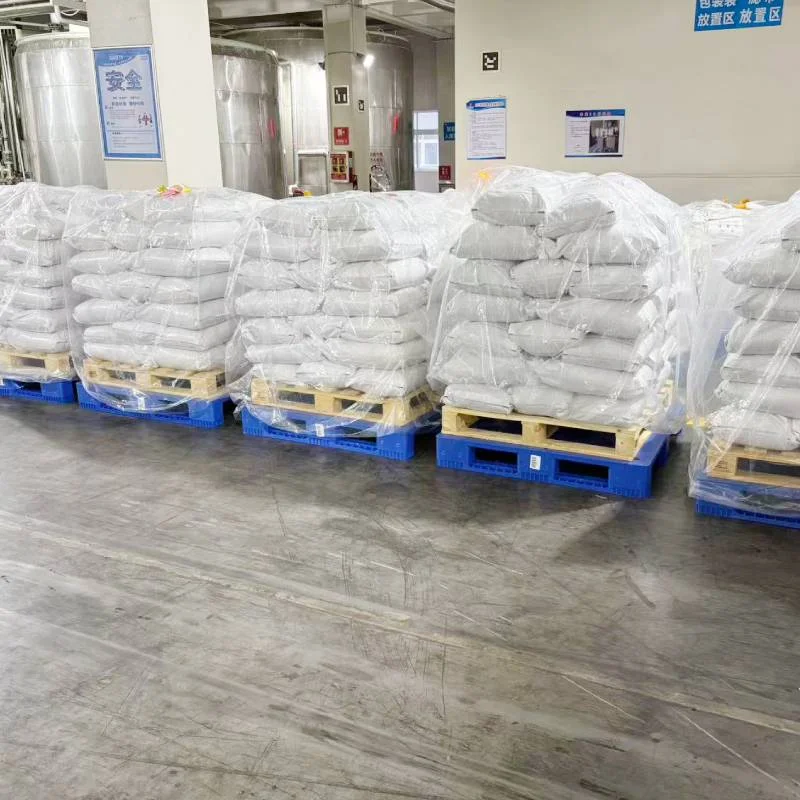
Molecular Weight281.10Packing25kg bag or 1000kg jumbo bag
-
StorageStore in a cool, dry place, away from moistureShelf Life2 Years
Battery-industry and alloy-manufacturing enquiries should identify their material duties separately. TY-Cobalt Sulfate Heptahydrate is industrial CoSO4*7H2O, described as red-brown and easily soluble in water, with stated elemental cobalt content Co 21%.
Confirm the hydrate and cobalt analysis basis
Request current analysis that identifies the offered model and heptahydrate grade. The Co 21% figure describes cobalt content rather than compound purity, so individual impurity measurements and the reporting basis are needed for a meaningful grade comparison.
Give battery and alloy requirements independent criteria
State the intended input duty and accepted material measurements for the actual project. The application directions do not establish an alloy-manufacturing function, a battery grade or finished-process performance; relevant qualification evidence should answer the particular use being considered.
- Identify the actual sulfate-heptahydrate model and analysis.
- Compare required cobalt and impurity measurements with accepted limits.
- Review the relevant battery or alloy material trial.
Interpret solution and density reports within their conditions
The reported pH is 3.5–5.5 for a 5% solution, and density is approximately 1.95g/cm³. Confirm the measurement methods; these descriptors do not specify a process operating window or a bulk-density requirement.
Electroplating, catalyst and pigment/ceramic enquiries also need separate qualification. Follow the stated storage direction of a cool, dry place away from moisture, and request current safety and technical information. Ask about appropriate sample evidence with the actual model and process criteria specified, so acceptance rests on current grade records and a relevant trial.