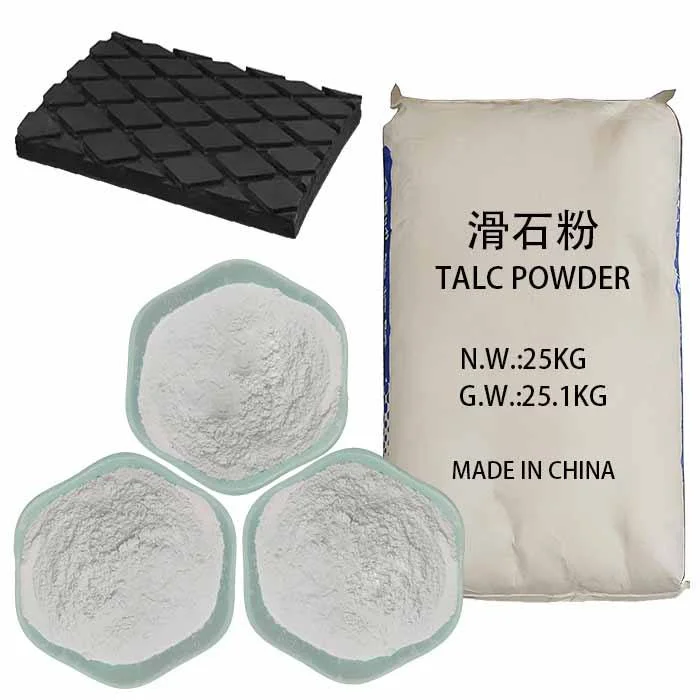
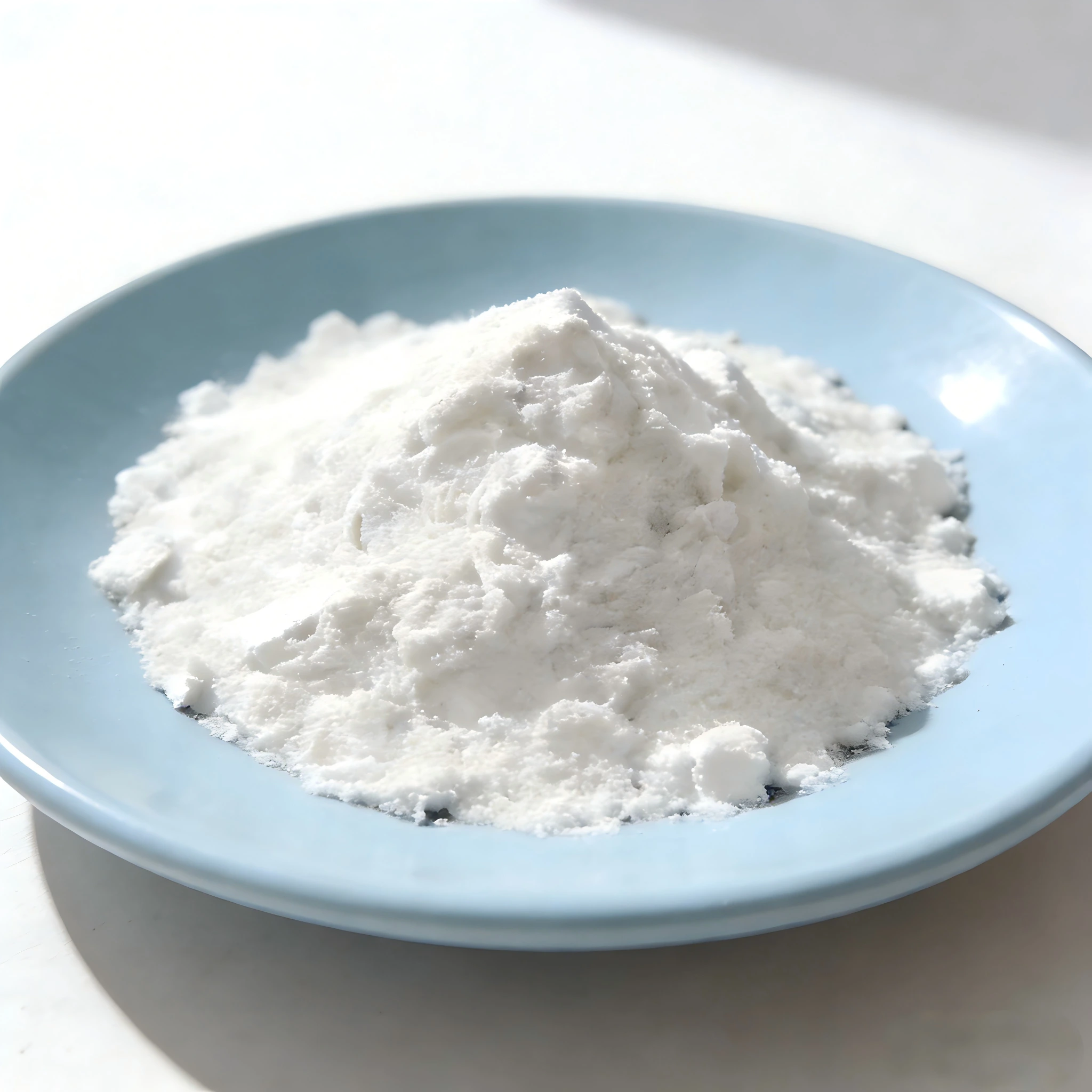
Industrial-Grade Talcum Powder for Plastic-Product Hardness and Toughness Assessment
-
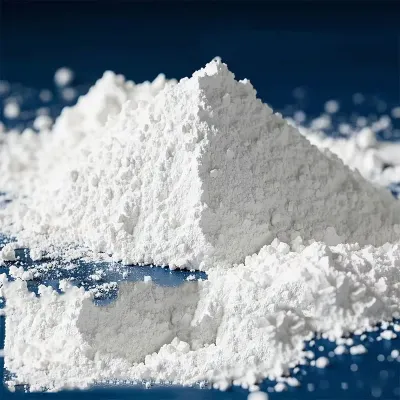
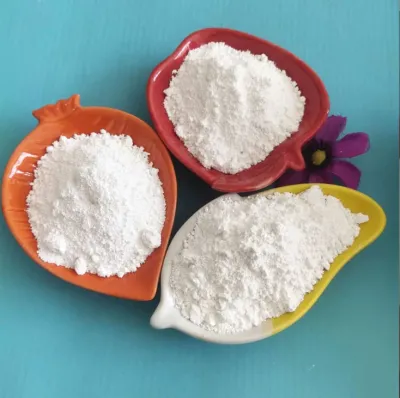
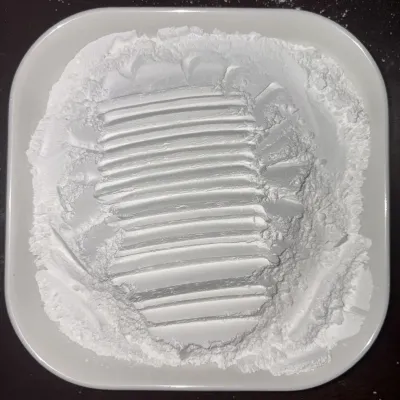
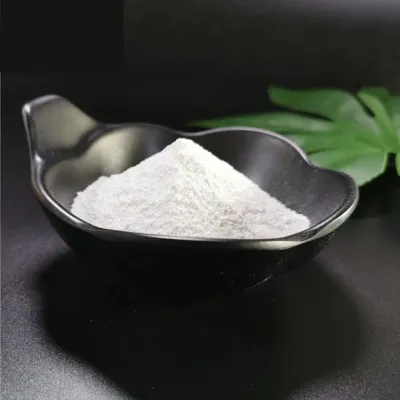
Physical formPowder
Hardness and toughness should be separate questions in a plastic-material enquiry. This industrial-grade talcum powder is named for plastic products, with the actual powder specification and its behaviour in the intended compound still to be confirmed.
Define the two mechanical objectives
Identify the polymer and the intended component, then agree how hardness and toughness will each be assessed. Choose a relevant reference compound or acceptance basis. No measured improvement is established here, and one desired property should not be used as proof that the other will also meet the project requirement.
- Material: talcum powder.
- Grade designation: industrial.
- Intended application direction: plastic-product material assessment.
Ask for a named powder grade
Request the proposed grade identifier, mineral analysis and particle distribution with the measurement methods. Clarify whether any treatment applies to the supplied material and obtain its documented scope. A high-toughness description does not provide treatment chemistry, a numerical fineness value or an appropriate addition rate for your formulation.
Prepare the representative comparison
Review matched technical and safety information and record the sample identity. Agree the formulation and preparation conditions that will make the results relevant to the intended product.
Use measured compound results for selection
Keep the mechanical observations with the powder documents and compare them against the original criteria. Decide whether further qualification is warranted for that specific application, then confirm the supported grade specification for a repeat enquiry. A broad claim of improved properties or economy cannot replace that evidence.