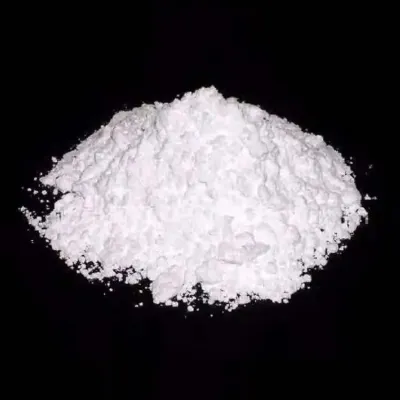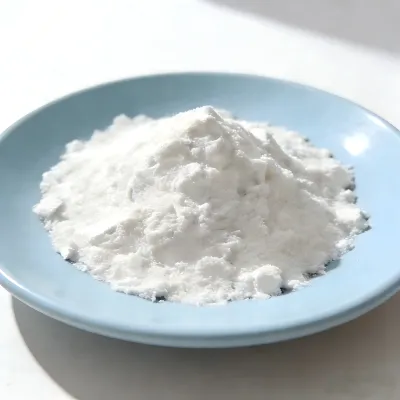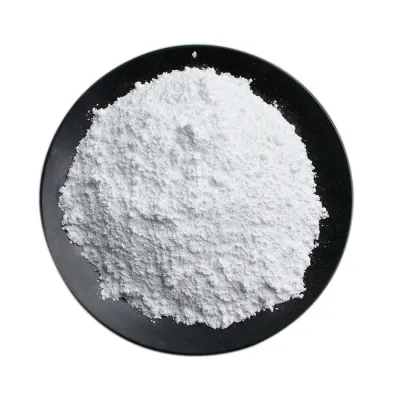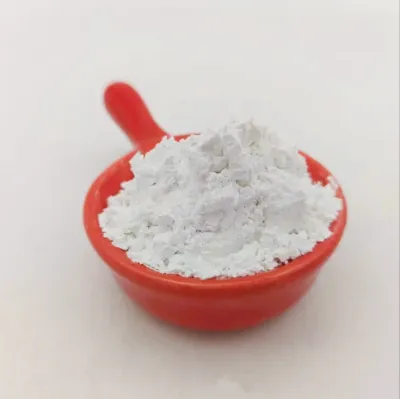
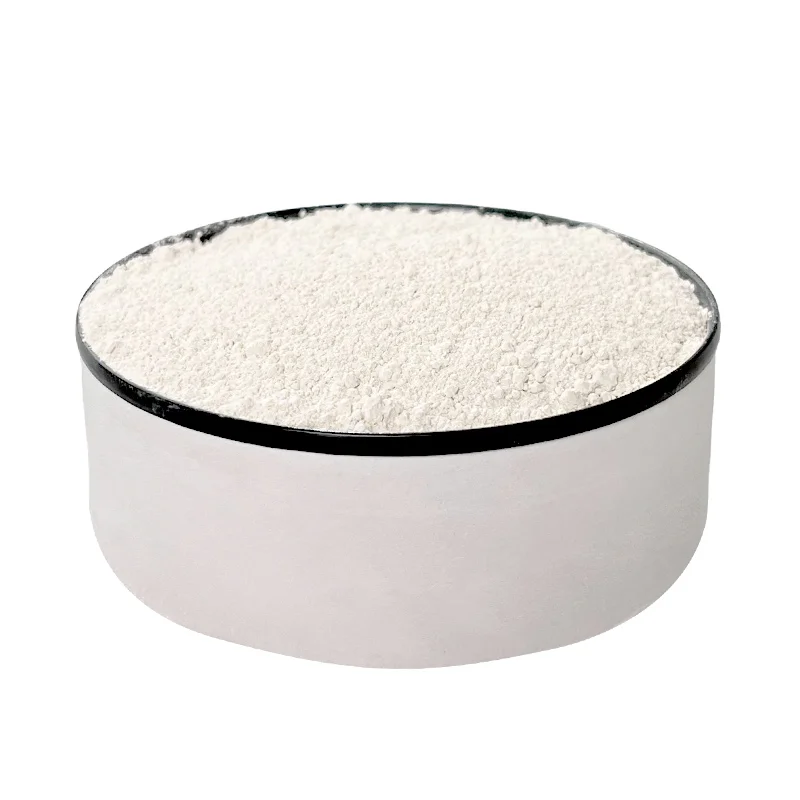
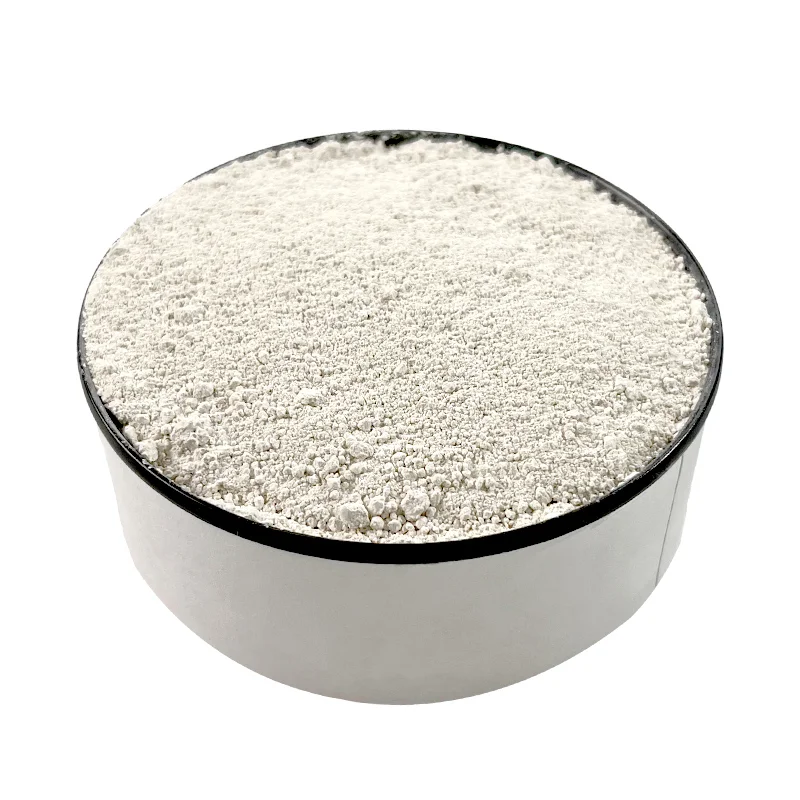
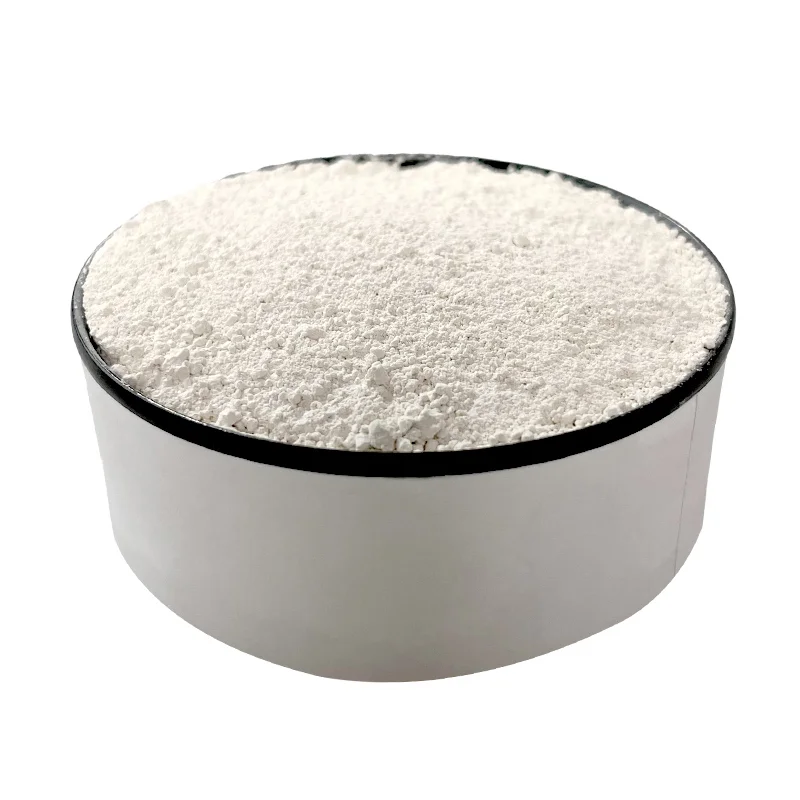
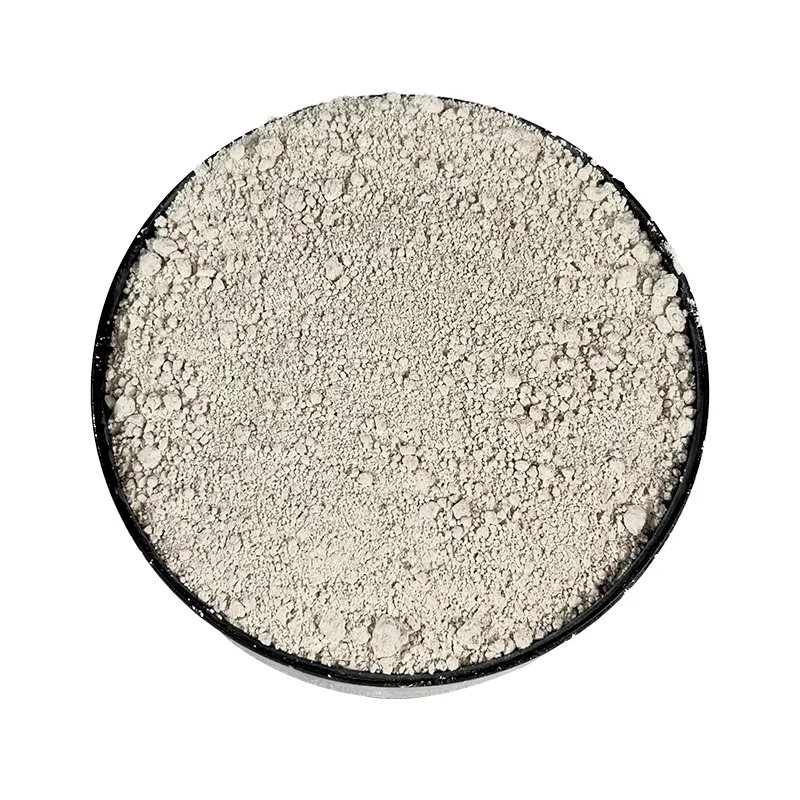
Industrial Magnesium Hydroxide White Powder, 98%, for Plastic and Rubber Product Enquiries
-
ColorWhitePhysical formPowder
-
CAS No.1309-42-8Purity98%
-
AppearanceWhite PowderApplicationfor plastic and rubber products
-
ClassificationMagnesium HydroxideEINECS No.215-170-3
-
Grade StandardAgriculture Grade, Electron Grade, Industrial Grade, Reagent GradeMolecular FormulaH2MgO2
-
Other NamesMagnesium hydrateCAS1309-42-8
-
Density2.36 g/cm³Melting Point350°C (662°F)
-
SolubilitySlightly soluble in water
Describe the plastic or rubber compound before selecting a magnesium hydroxide sample. This industrial white powder has stated formula H2MgO2 and a purity designation of 98%, with plastic and rubber products named as applications.
Define the compound the powder will enter
Identify the polymer or rubber system and the acceptance measurements required for the finished product. Ask which actual grade and sample can be evaluated against those criteria.
Particle distribution and any surface-treatment declaration may be relevant to that comparison. Request those records without assuming a particular treatment or dispersion result from the powder name.
Compare the assay and physical descriptions
The stated 98% purity is a compound designation, not an elemental magnesium percentage or an added minimum guarantee. Obtain the current assay basis and relevant impurity results for the offered material.
A density of 2.36 g/cm³ is reported for the powder, and its water behaviour is described as slightly soluble. Confirm the measurement methods if those descriptors affect material selection or preparation.
Approve the plastic or rubber trial on evidence
Use the actual offered sample in the appropriate formulation assessment. Chemical identity and a named application do not establish compatibility with every compound or guarantee a finished-product property.
- Material review
- Check identity, assay and the particle/treatment information needed by the formulation.
- Process review
- Assess the relevant trial results against the agreed product and processing criteria.
Obtain applicable thermal and handling documents before setting preparation conditions. Any electronic, reagent or agricultural grade requirement also needs its own qualification evidence rather than relying on an industrial description.