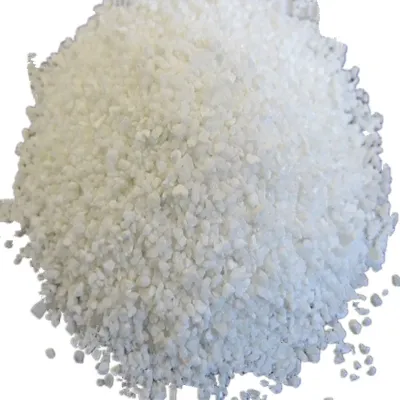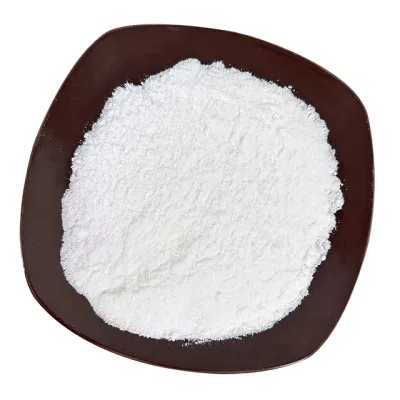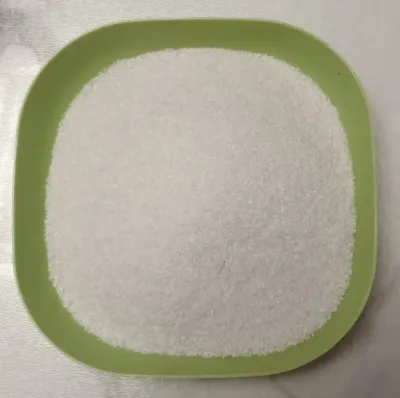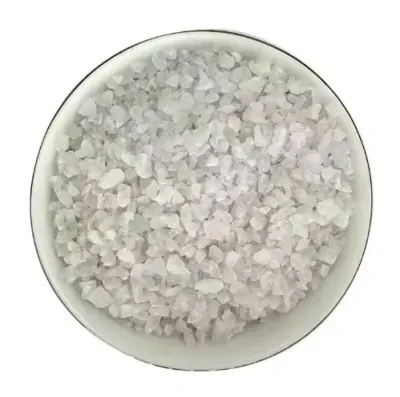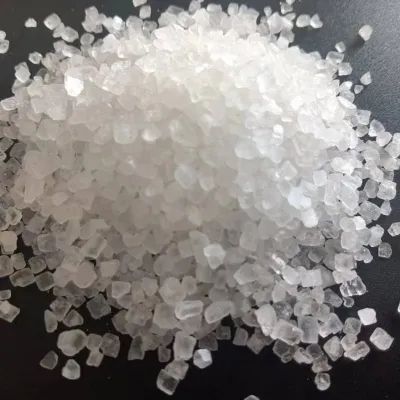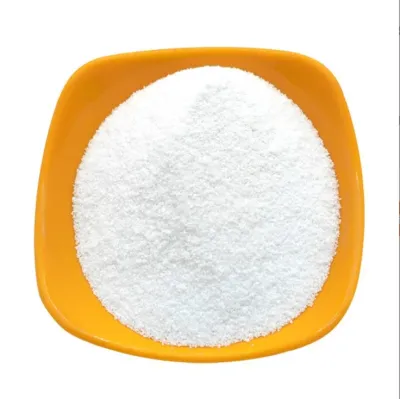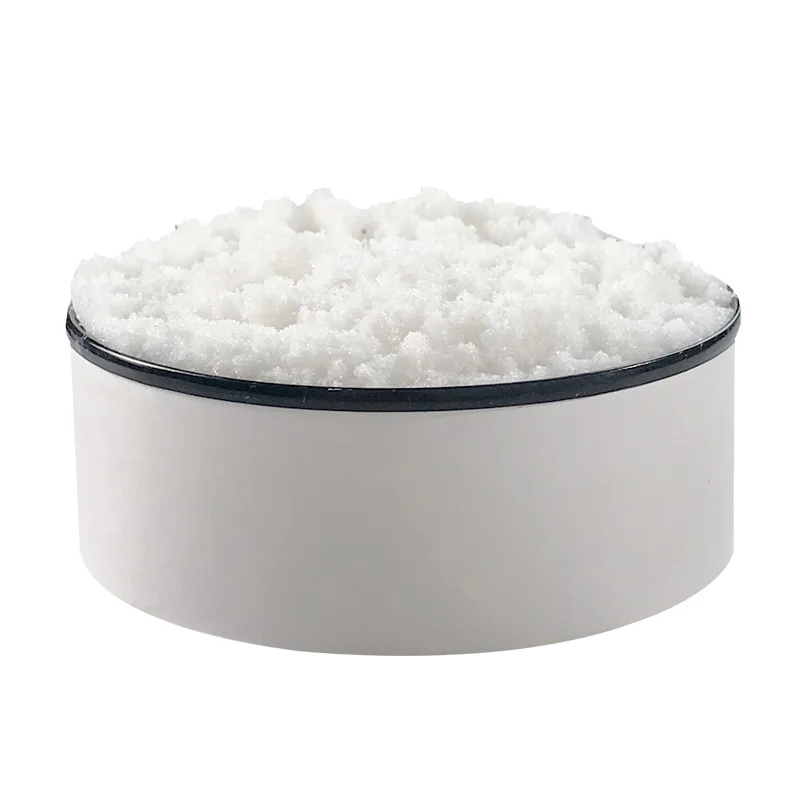
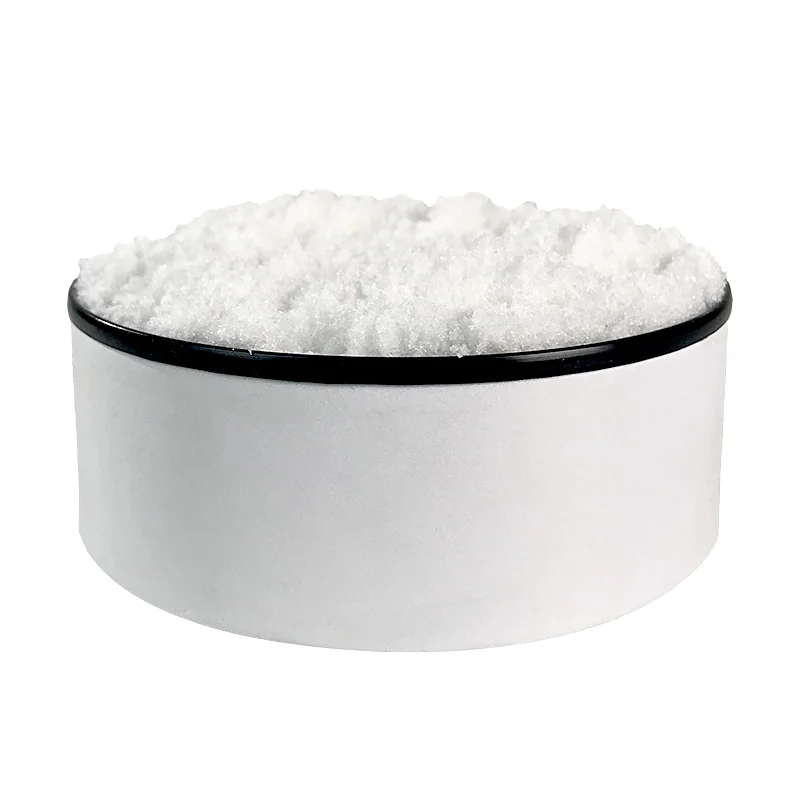
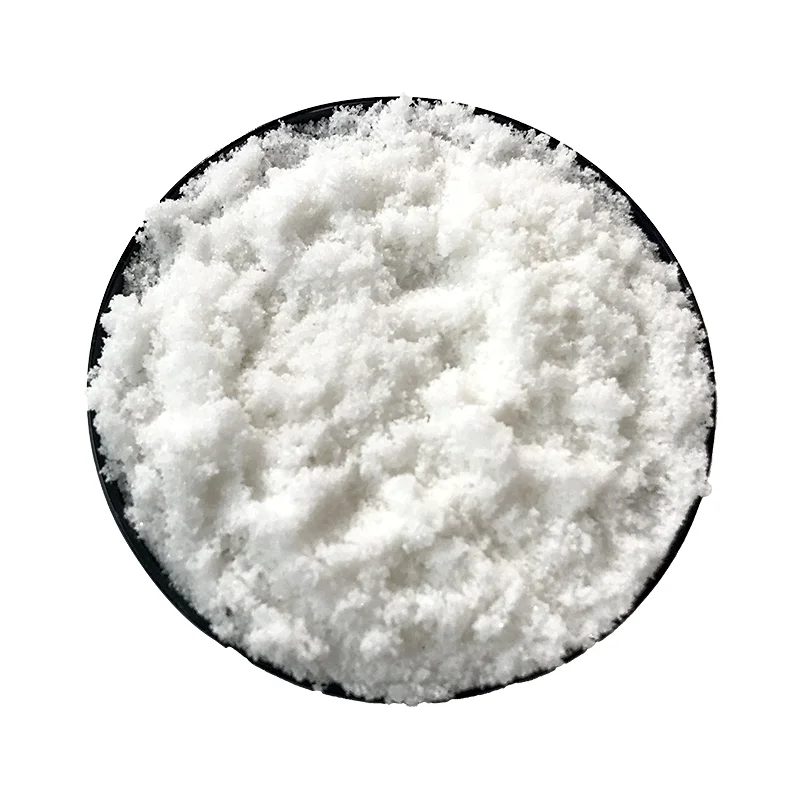
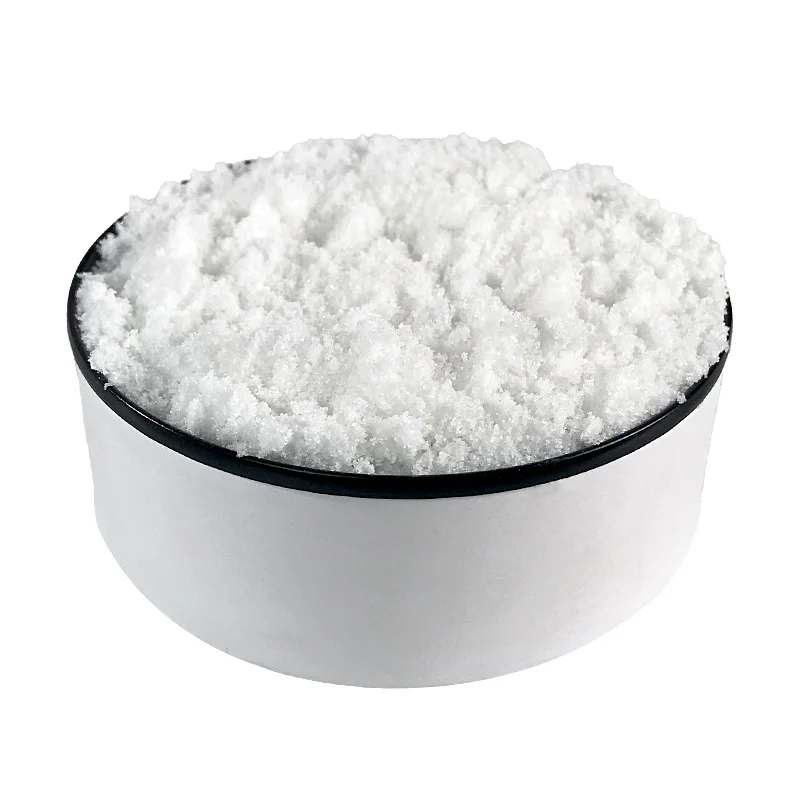
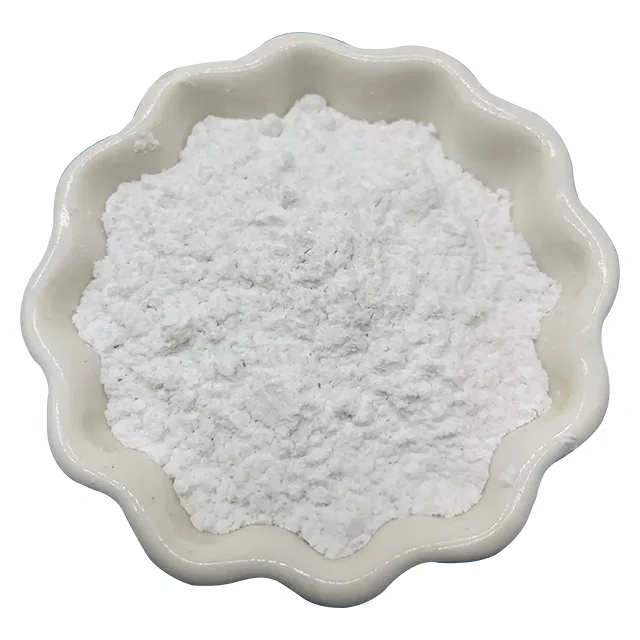
Industrial Potassium Aluminum Fluoride White Powder for Flux, Ceramic and Glass Grade Qualification
-
ColorWhitePhysical formPowder
-
CAS No.14484-69-6Purity98%MIN
-
AppearanceWhite powderApplicationaluminum industry,fluxing agent, ceramics, glass
-
ClassificationOther Inorganic SaltsEINECS No.238-485-8
-
Grade StandardAgriculture Grade, Industrial Grade, Reagent GradeMolecular FormulaAlF4.K
-
Other NamesPOTASSIUM CRYOLITEDensity2.88 g/cm³
-
Melting Point845°C (1553°F)SolubilitySoluble in water
-
CAS14484-69-6MOQ20 Tons
-
GradeIndustrial Garde
A useful industrial enquiry identifies both the proposed duty and the evidence needed to accept the actual material. Potassium aluminum fluoride is described here as white powder with an industrial designation and application directions for aluminum, fluxing agents, ceramics and glass.
Link the composition report to the powder being offered
Ask for current technical information naming the actual grade and chemical phase. The analytical report should identify the same material as the proposed sample, so the family name is supported by a clear composition rather than an assumed compound designation.
Understand what the assay is intended to measure
Before comparing numerical purity figures, establish the analyte, calculation basis and test method. Request the physical and thermal measurements relevant to the confirmed phase; a material description alone cannot establish its behaviour in a particular industrial formulation.
- Grade evidence
- Actual composition, phase identification and analysis linked to the offered powder.
- Application evidence
- Relevant acceptance criteria and test observations for the proposed aluminum, ceramic or glass duty.
Qualify the actual industrial duty independently
For flux enquiries, describe the intended aluminum operation and the material checks required by the process team. For ceramics or glass, identify the proposed formulation role and evaluate the powder against the corresponding application criteria.
Industrial, agricultural and reagent descriptions do not make qualifications interchangeable. Review current safety information and the conditions of any supporting tests before proceeding, and retain the sample identity with the technical report so the eventual selection can be traced to the actual grade assessed.