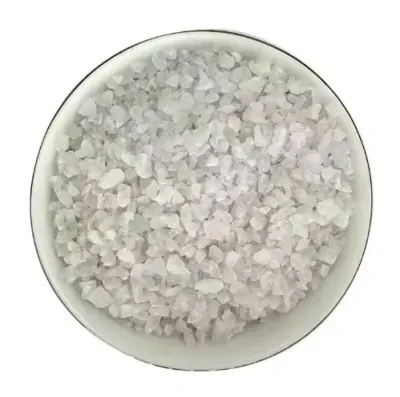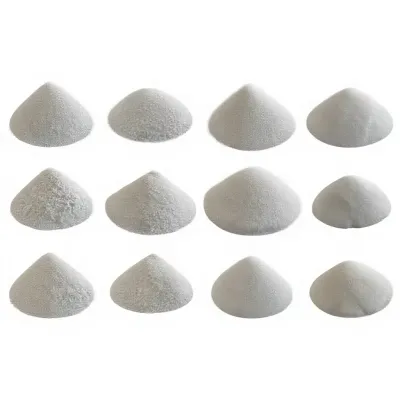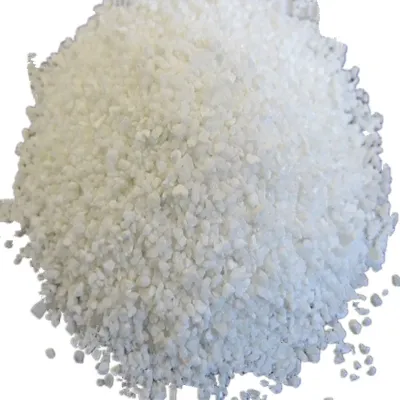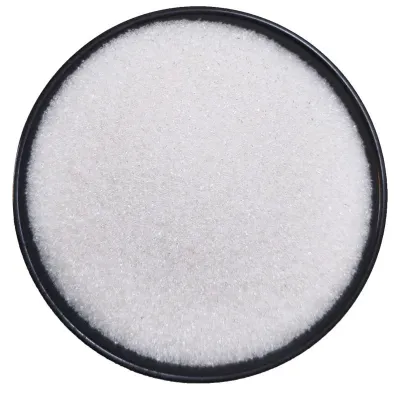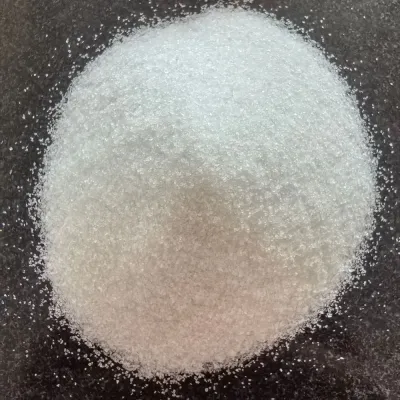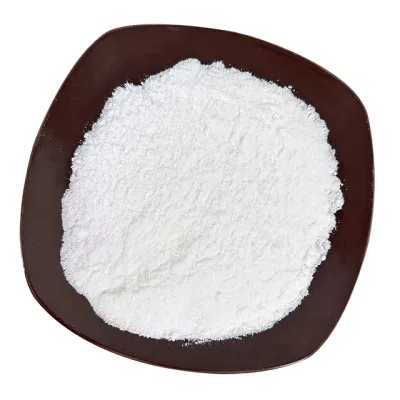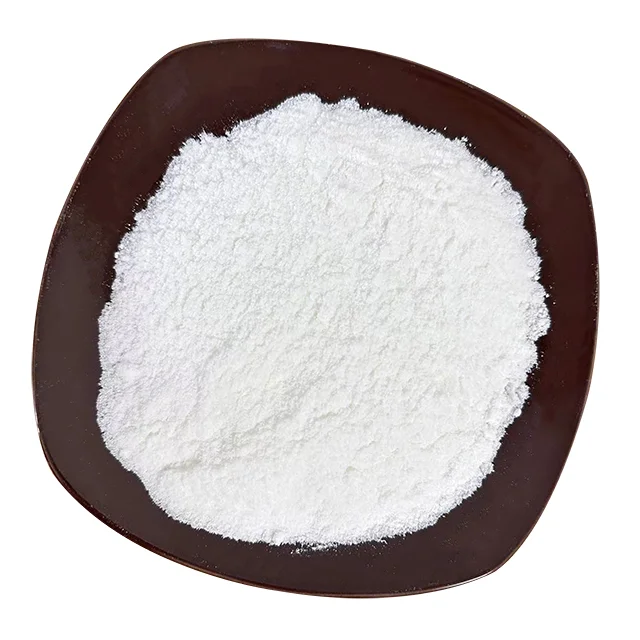
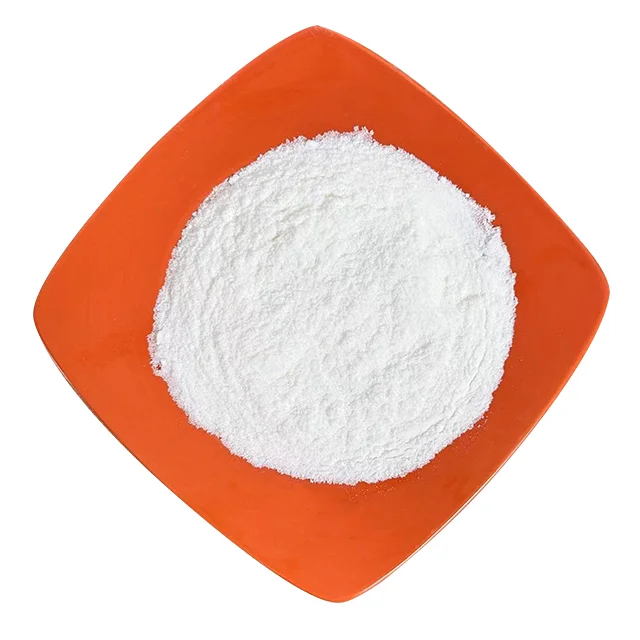
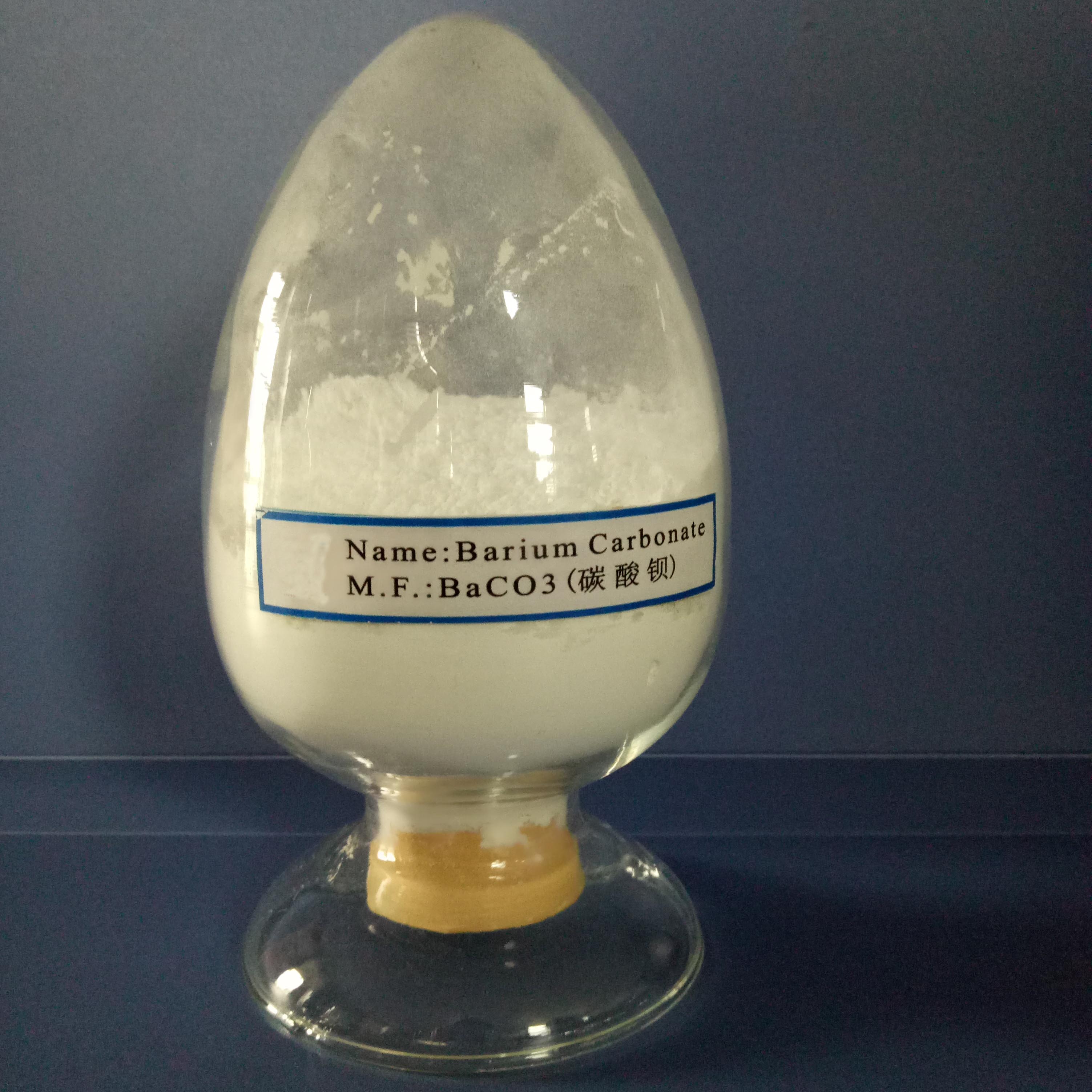
Barium Carbonate BaCO3 White Powder, 99.2% Minimum for Free-Flowing Grade and Optical-Glass Enquiries
-
ColorWhitePhysical formPowder
-
CAS No.513-77-9Purity99.2%min
-
AppearanceWhite powderApplicationUsed for optical glass, barium salts, ceramic
-
ClassificationCarbonateEINECS No.208-167-3
-
Grade StandardElectron Grade, Industrial Grade, Reagent GradeMolecular FormulaBaCO3
-
TypeBarium CarbonateMelting point811 °C
-
Boiling point1450 °CMolecular weight197.34
-
PH value7-8 (0.016g/l, H2O, 16°C)Water Solubility0.002 g/100 mL (20°C)
-
HS code28366000UN1564
-
HazardClass6.1PackingGroupIII
The stated 99.2% minimum purity identifies an analytical starting point for this BaCO3 white powder. An enquiry seeking a free-flowing barium carbonate grade should additionally define the powder-handling criteria and the actual optical-glass, ceramic or barium-salt ingredient role.
Ask for measured carbonate flow and powder criteria
Request particle distribution, moisture, relevant impurities and current assay methods for the offered material. Free-flowing wording needs a defined test or handling assessment for the proposed process before it becomes a performance criterion.
Compare pH and solubility with their conditions
Keep the stated concentration and temperature attached to the pH entry, and retain the temperature with water-solubility data. Neither entry establishes harmlessness or universal handling suitability; match current safety information to the actual material and use.
- Grade identity
- Confirm the offered specification rather than selecting from broad electronic, industrial or reagent labels.
- Process identity
- Define the carbonate function within the actual glass, ceramic or salt-making operation.
- Acceptance identity
- Agree representative process and finished-material results needed for selection.
Qualify the glass or ceramic result independently
Minimum purity and white appearance do not establish optical quality or a finished ceramic outcome. Obtain representative tests for the actual formulation, and assess any barium-salt process on its own requirements.
Resolve thermal-event definitions and applicable analytical methods through matched technical records. Complete the powder comparison with confirmed grade, flow criteria and use evidence appropriate to the specific operation being evaluated.