Industrial Sodium Metasilicate Pentahydrate, 99% Purity, for Water-Treatment and Cleaning-Formulation Trials
-
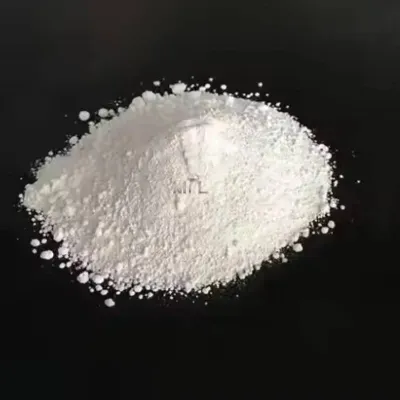
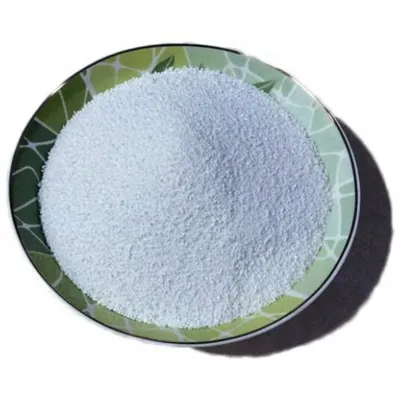
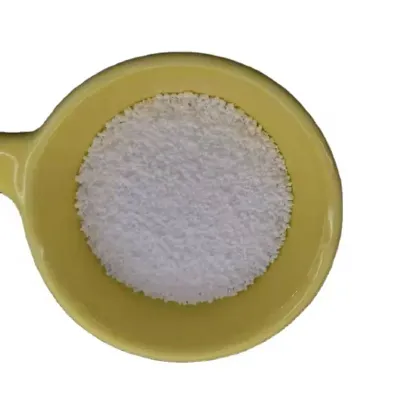
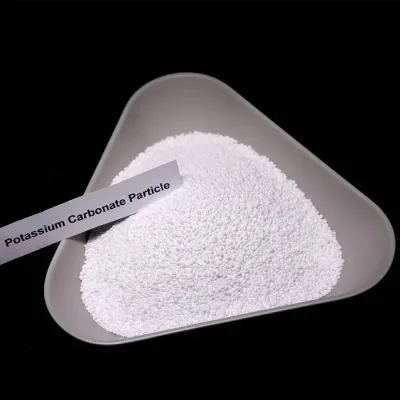
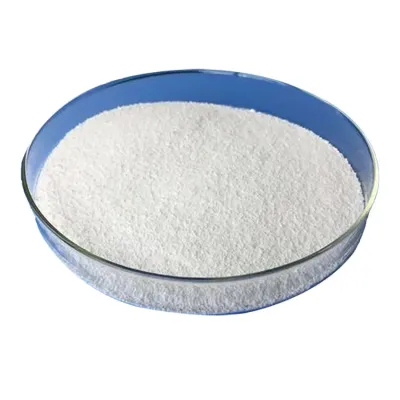
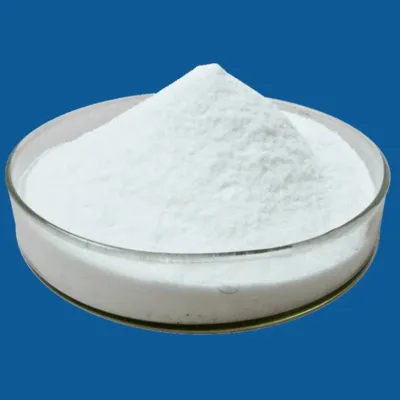
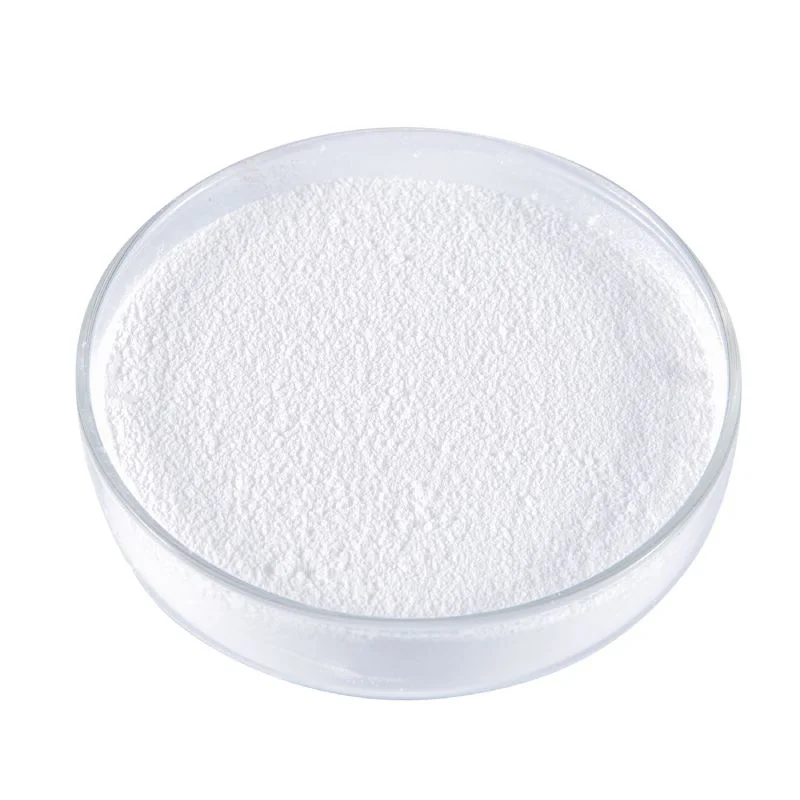
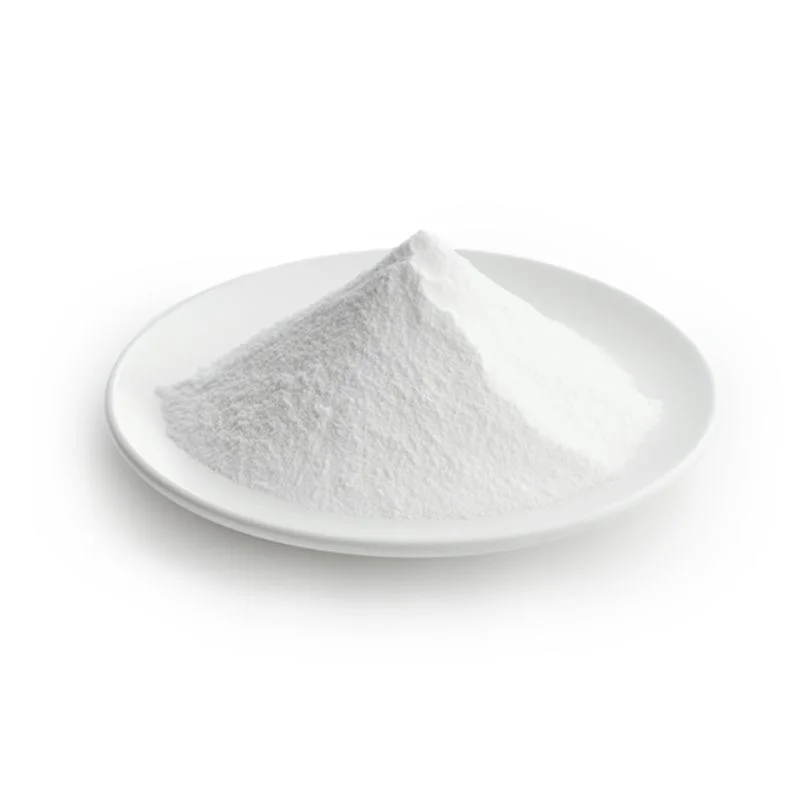
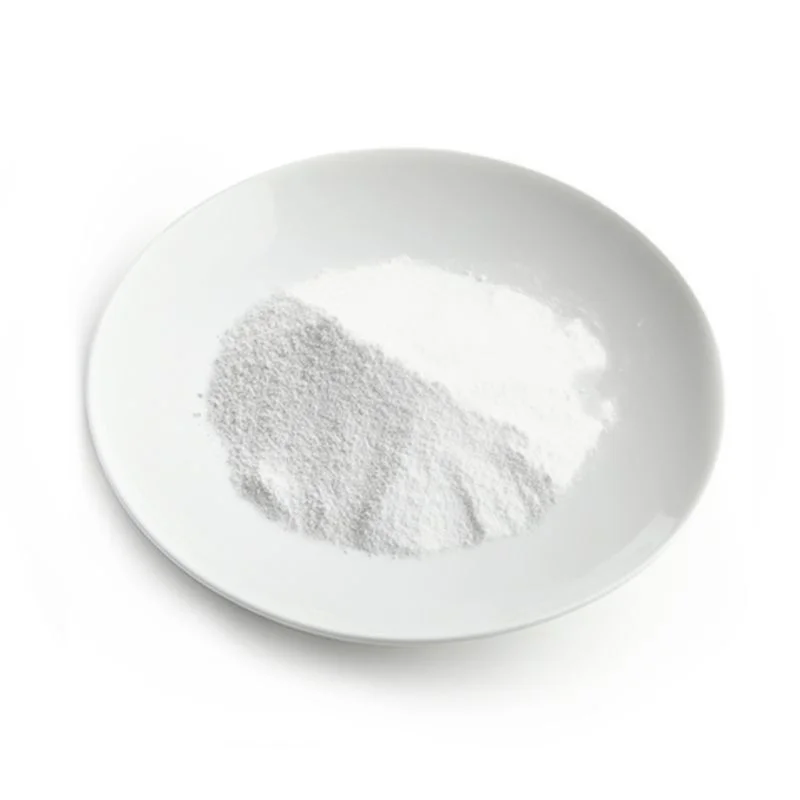
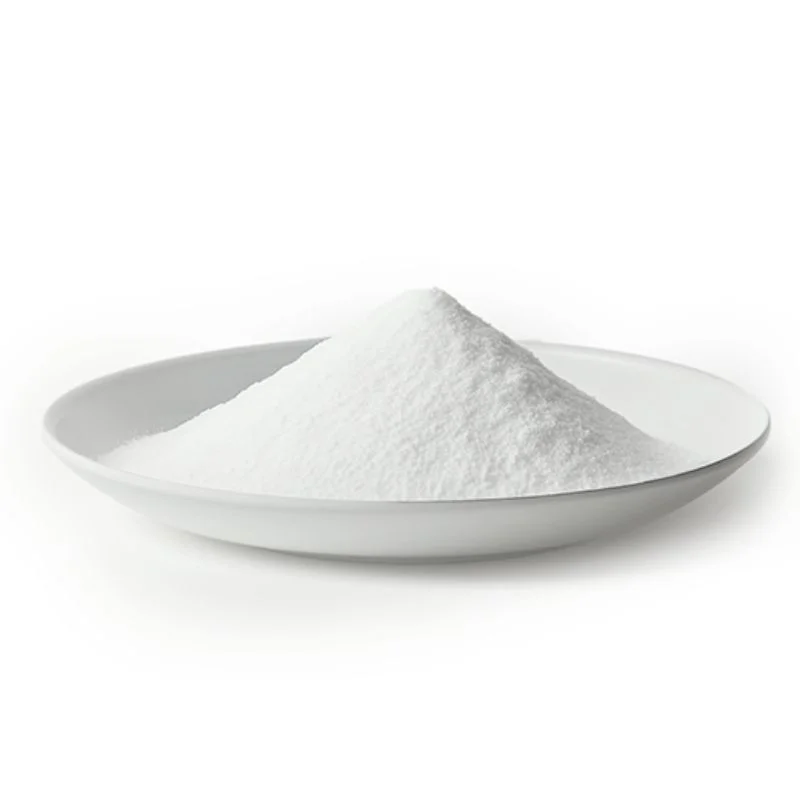
ColorWhitePhysical formGranular
-
CAS No.10213-79-3Purity99%
-
AppearanceWhite granuleApplicationDetergent, Textile, Ceramics, Water Treatment, Met
-
ClassificationSilicateEINECS No.229-912-9
-
Grade StandardIndustrial GradeMolecular FormulaNa2SiO3*5H2O
-
Other NamesDisodium Metasilicate PentahydrateMolecular Weight212.14
-
HS CodeHS CodeSolubilityEasily Soluble in Water
-
Na2O Content28.5%-30.0%Supply Ability5000 MT per Month
-
Packaging25kg PP Bag, 1000kg Jumbo BagShelf Life24 Months
-
StorageStore in Cool, Dry and Well-Ventilated PlaceSampleAvalible
-
CertificateCOA, MSDS, TDS, ISO
Cleaning and water-treatment projects should identify the required salt, hydrate and material measurements before comparing silicates. This industrial sodium metasilicate pentahydrate, Na2SiO3·5H2O, is described as white granules with 99% purity, Na2O content of 28.5–30.0% and easy water solubility.
Compare the two composition measurements correctly
Request the basis and method for both the overall purity and Na2O result on the actual offered grade. These are distinct chemical measurements; they do not supply an unreported silicate modulus, numerical alkalinity or the full impurity limits required by a process.
Define the cleaning-formulation material criteria
Describe the intended formulation and accepted chemical and powder properties before a trial. Confirm the actual granule form and measured particle profile, because a general material description does not establish compatibility or a cleaning-performance result in every formulation.
- Composition evidence
- Current purity, Na2O basis and required impurity reports.
- Powder evidence
- Actual supplied form and method-defined particle measurements.
State the actual water-treatment acceptance target
Provide the intended water-treatment requirements and the measurements that determine acceptance. Material identity and easy solubility support an enquiry, while operating conditions, dosing and achieved treatment results need relevant evaluation of the actual project.
Samples are available, with terms, current safety and technical documents and applicable ISO scope to confirm. Obtain current storage and shelf-life conditions and identify the relevant qualification trial, so the offered pentahydrate is assessed against defined grade and process requirements rather than an assumed formulation benefit.