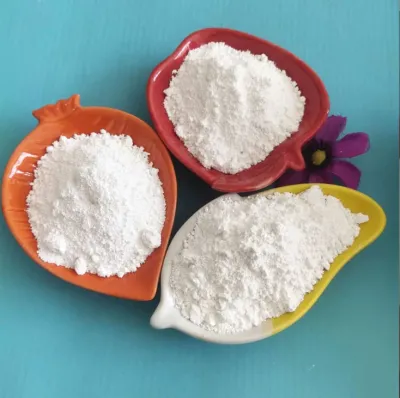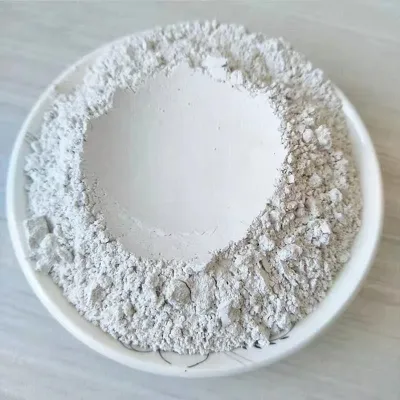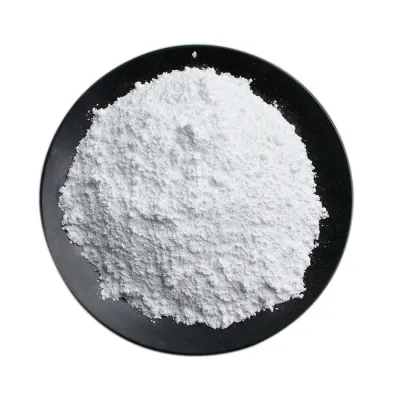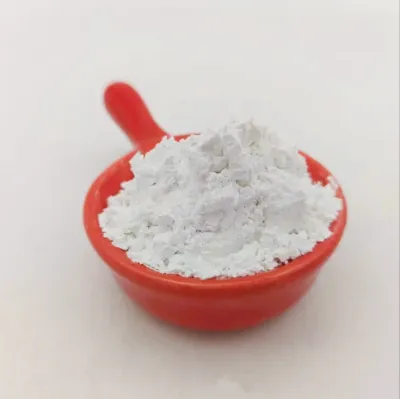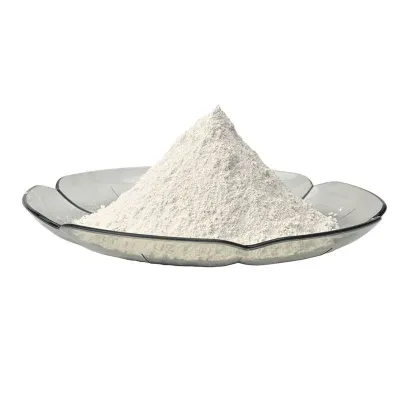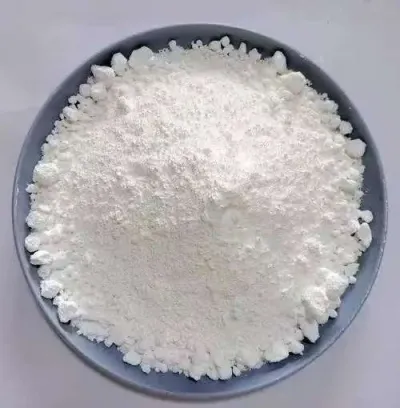
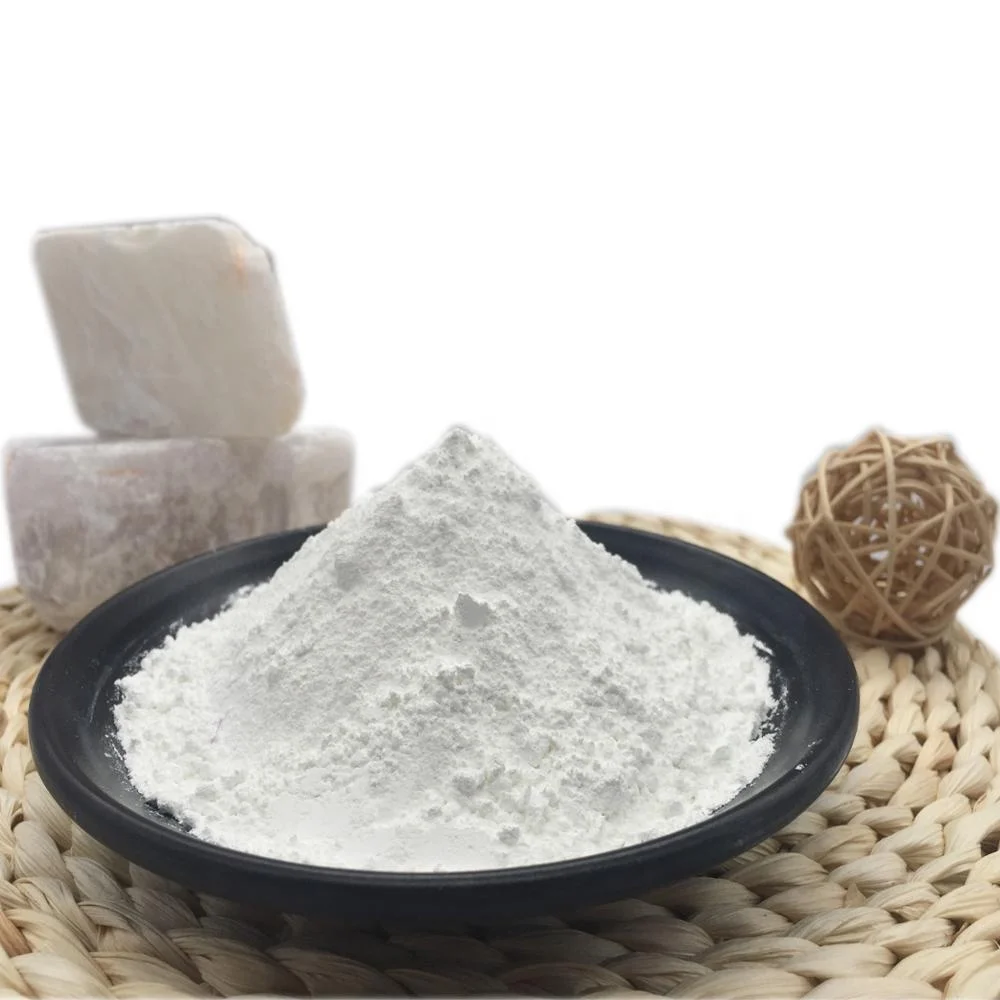
Industrial Talc Powder for Paint Assessment, 14 Micrometre Particle-Size and 95% Whiteness Designations
-
ColorWhitePhysical formPowder
-
Product nameTalc PowderCertificateISO
-
Particle Size (μm)14Whiteness (%)95
-
Moisture (%)≤0.5
-
Oil Absorption g/100g0.5PH Value8.5±1
-
GradeIndustrial GradeColorWhite Powder
Paint formulators can use the stated 14 micrometre size and 95% whiteness designations to begin an industrial talc enquiry. The white powder still needs mineral analysis and method-linked measurements before those descriptions become meaningful acceptance criteria.
Define what the talc particle-size figure measures
Ask whether the size designation represents an average, a cut point or another characteristic. Obtain the actual particle distribution and measurement method rather than assigning an unreported D50 or upper-size limit.
Link talc whiteness and moisture to actual test methods
Confirm the whiteness scale and method applicable to the offered powder. Verify the reported moisture limit, and clarify the oil-absorption and pH conditions before using those entries to set formulation requirements.
- Obtain current mineral composition, relevant impurities and applicable screening records.
- Match physical measurements and technical information to the actual industrial grade.
- Define the paint binder, ingredient role and representative film acceptance tests.
Make the paint decision from representative films
Dispersion, gloss or any required mechanical result should be evaluated in the proposed formulation. A mineral name and fineness designation do not establish a universal replacement ratio or a guaranteed coating outcome.
No mineral-purity percentage is established for this talc. Any asbestos-related screening or certification requirement needs current product-specific evidence, so complete the assessment with confirmed mineral identity, measured powder criteria and film results relevant to the paint system being considered.