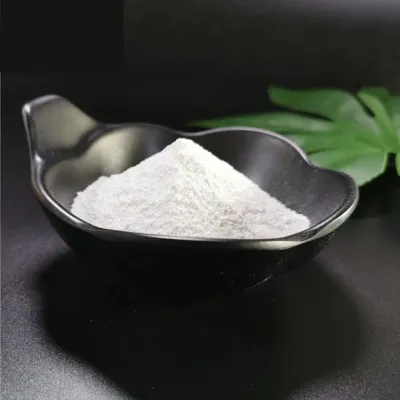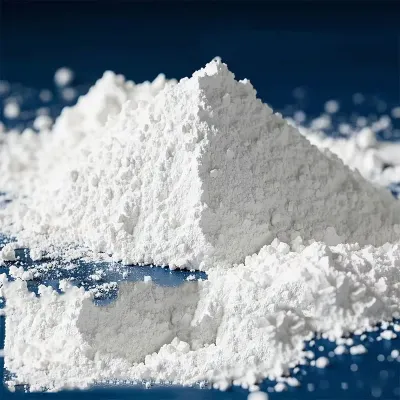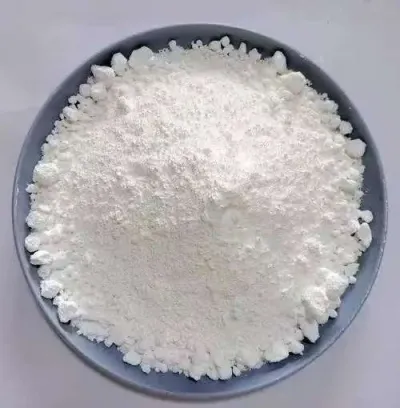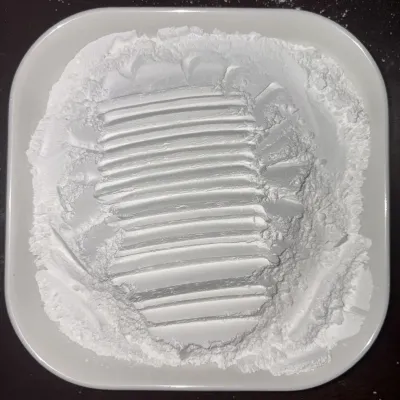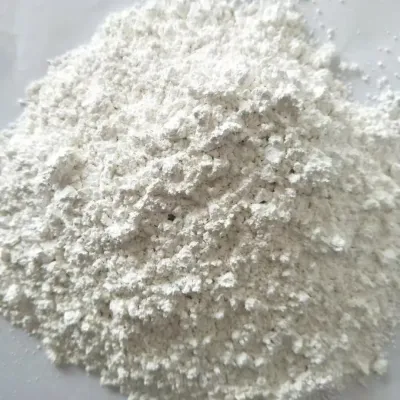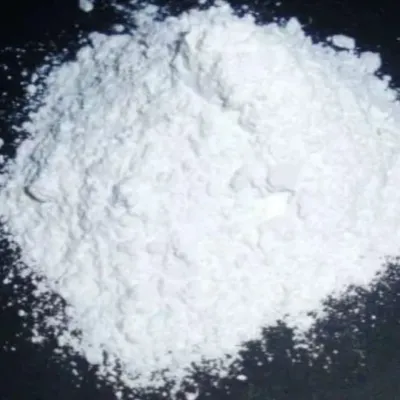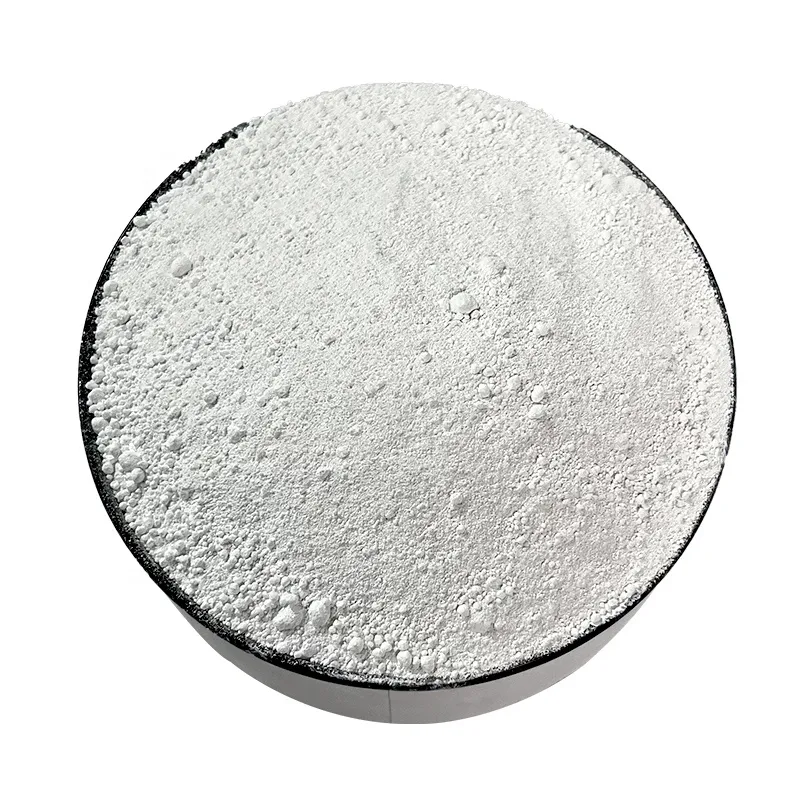
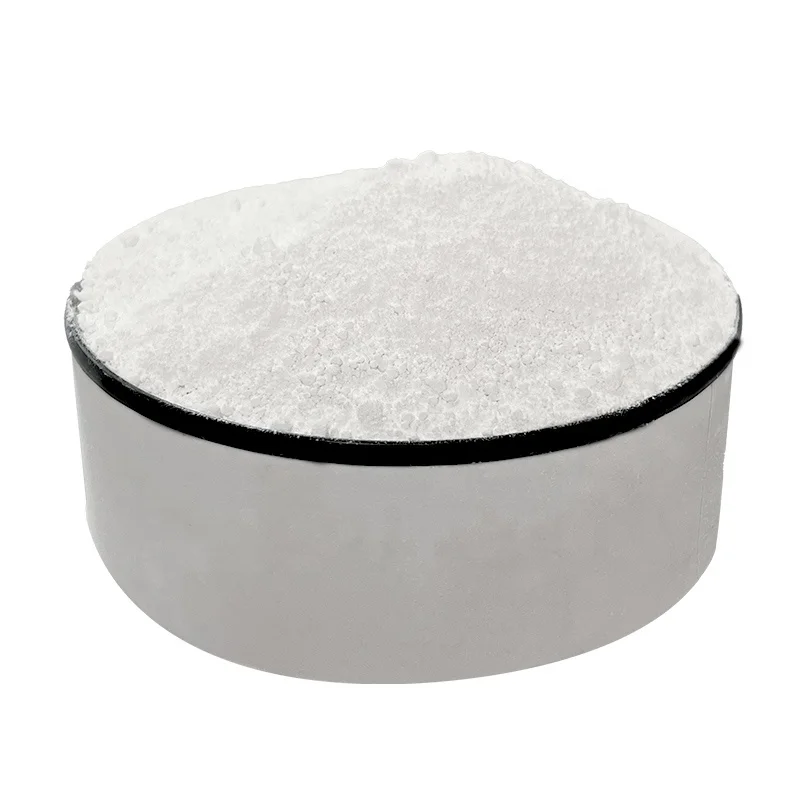
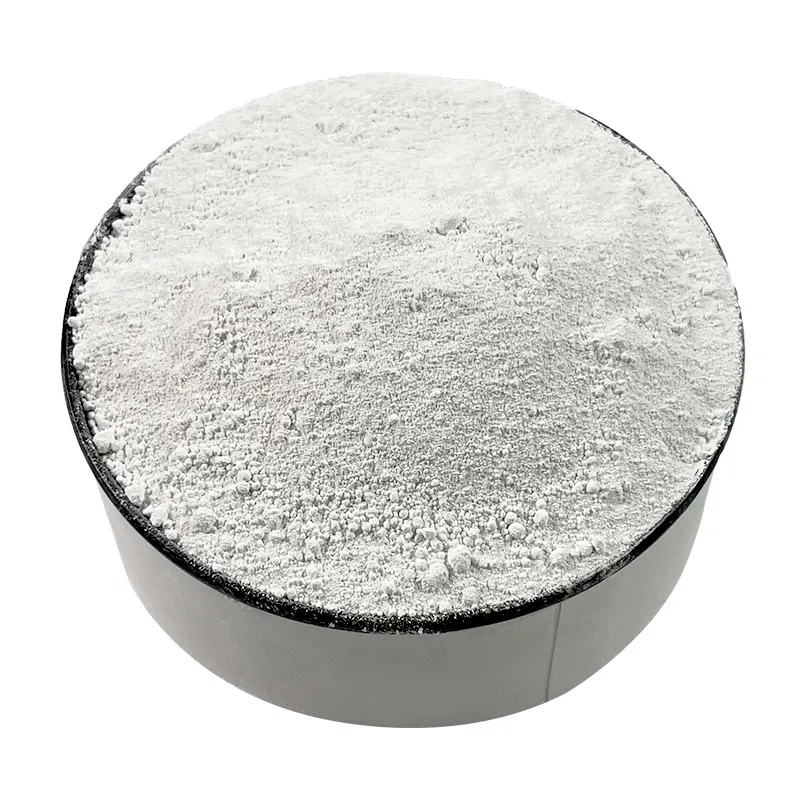
Industrial Titanium Dioxide White Powder, 92% Min, for Coatings, Plastics and Inks
-
ColorWhitePhysical formPowder
-
CAS No.1317-80-2Purity92%MIN
-
AppearanceWhite powderApplicationCoating,Plastic,Ink
-
ClassificationOther Inorganic SaltsEINECS No.215-282-2
-
Grade StandardIndustrial GradeMolecular FormulaO2Ti
-
Other NamesFERRISPEC(R) PL TITANIUM DIOXIDE WHITEProduct nametitanium dioxide
-
CAS1317-80-2Melting point1,843°C
-
Boiling point2,972°CDensity4.26 g/cm³
-
SolubilityInsoluble in water and organic solventsOdorOdorless
-
ColorWhite ColorHS CODE3206111000
-
GradeIndustral Grade
Choosing titanium dioxide for a coating, plastic or ink starts with the grade that will enter the formulation. This industrial white powder has a stated purity of 92% minimum and the formula O2Ti, while the precise crystal phase and surface treatment need confirmation for the offered material.
Match the white powder to its binder
Coating, plastic and ink are the named application areas. Tell the supplier which binder or polymer you use and what the finished product must achieve, so the enquiry can address the actual system.
Minimum purity is a composition criterion rather than a measured hiding-power result. A white appearance also leaves dispersion, gloss contribution and durability to be assessed under the conditions relevant to your formulation.
Ask which titanium dioxide grade is offered
Request a clear phase designation together with any surface-treatment information and particle-size method. These documents help define the sample being compared, without assuming a rutile or anatase identity from a chemical name alone.
- Agree the intended application and its acceptance measurements.
- Obtain current identity, assay and particle records for the offered grade.
- Evaluate that sample in the intended formulation before approving a substitution.
Keep physical data separate from process approval
The material is described as insoluble in water and organic solvents, with a reported density of 4.26 g/cm³. Confirm the density method and sample conditions when that value matters to your comparison.
Request the current handling and physical-property documents alongside application results. General material properties do not determine an operating recipe or establish universal compatibility across coating, plastic and ink systems.