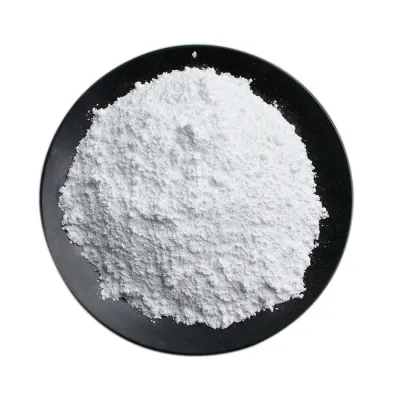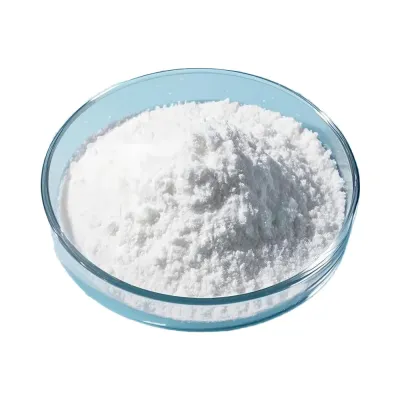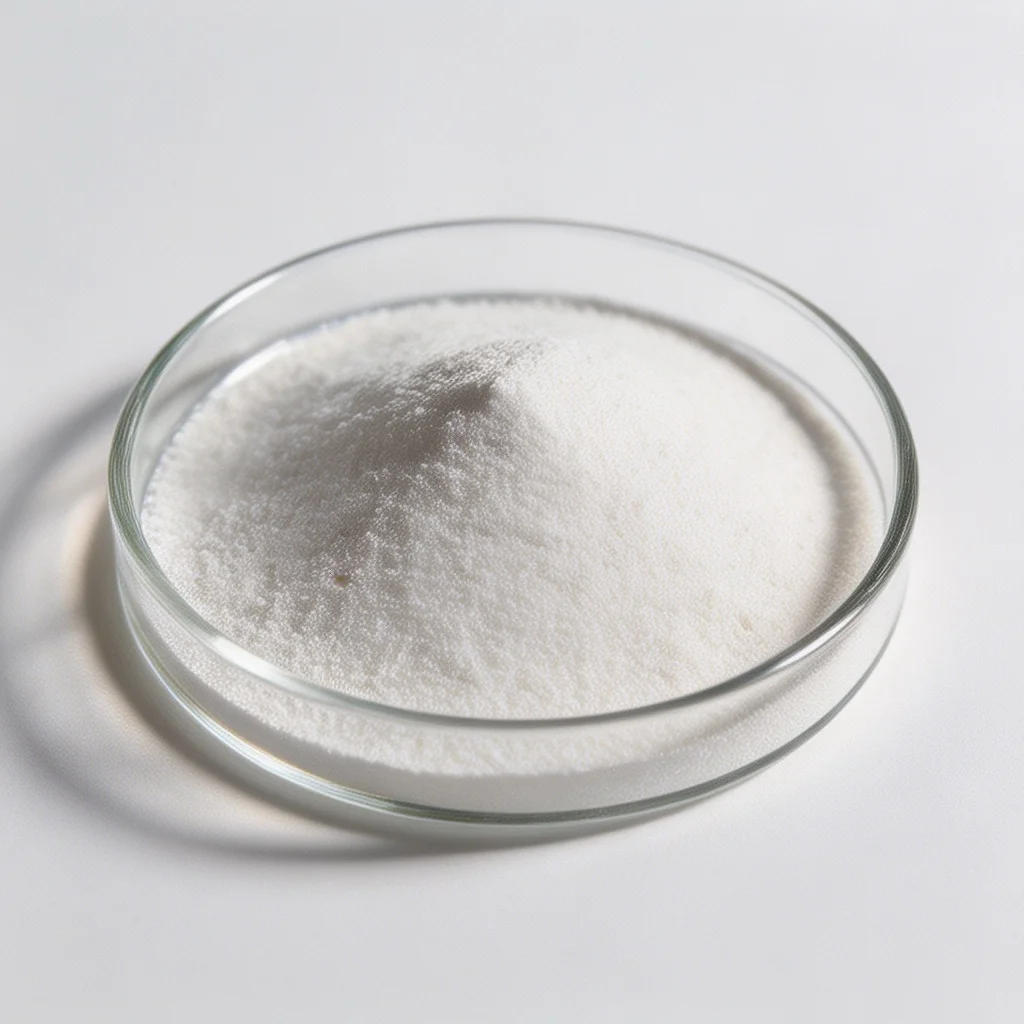
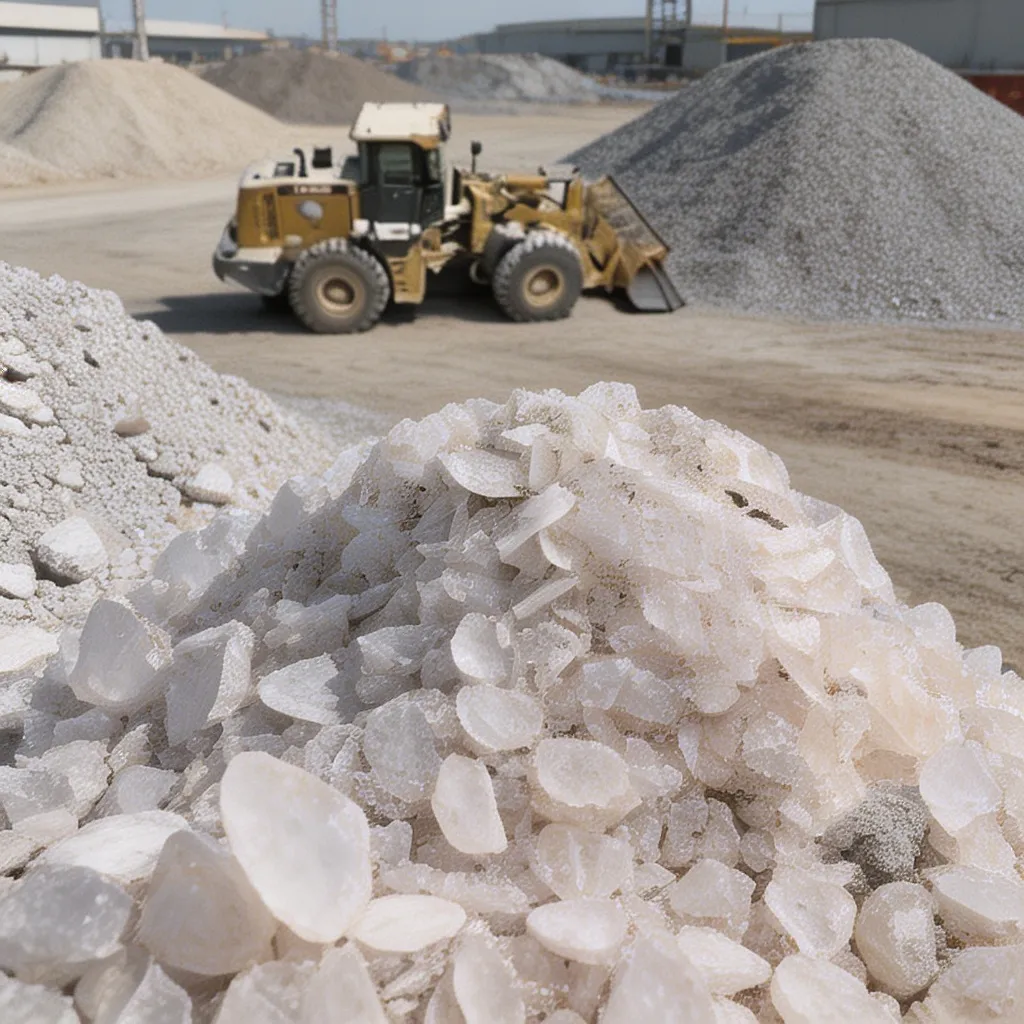
Light Calcium Carbonate 96% CaCO3 Industrial White Powder for Paint Whiteness and Oil-Absorption Assessment
-
ColorWhitePhysical formPowder
-
CAS No.471-34-1Purity96%
-
Appearancewhite superfine powerApplicationPaint, Plastic, Rubber, Paper Making, Building
-
ClassificationCarbonateEINECS No.207-439-9
-
Grade StandardIndustrial GradeMolecular FormulaCaCO3
-
Other Nameslight Calcium CarbonateTypeCalcium Carbonate
Relate the requested material tests to the paint formulation when assessing this light calcium carbonate. The industrial CaCO3 is described as white superfine powder with stated purity 96% and a premium product model option.
Define the paint acceptance questions
Explain the actual coating system and the properties that will decide whether the proposed powder is acceptable. Agree representative trial conditions rather than assuming that a light-calcium-carbonate designation verifies dispersion, coverage or finished-film gloss. The option name does not prove a performance advantage.
Ask for optical and absorption evidence on a clear basis
Request measured whiteness with its method and the oil-absorption result with units, sample basis and test procedure. Keep these properties separate from composition: the stated purity is not an optical measurement.
- Particle information
- Obtain a distribution or sieve report, since superfine is not a numerical grading.
- Other relevant properties
- Request treatment, moisture or density evidence where the paint brief requires them. Light does not specify a density value.
Link qualification to the actual sample and use
Confirm current composition and relevant impurities in analysis tied to the proposed premium product sample. Retain technical and safety documents with the agreed criteria and trial observations. Plastic, rubber, paper making and building are additional named enquiry areas, each requiring its own assessment. No universal addition ratio or transferable application result follows from the powder name and white appearance alone.