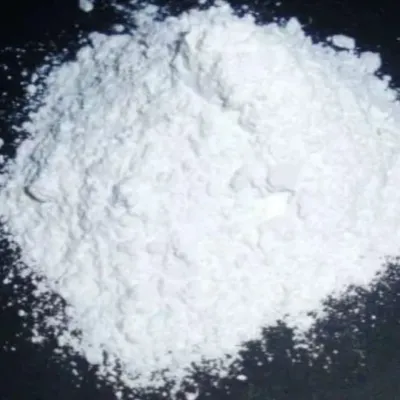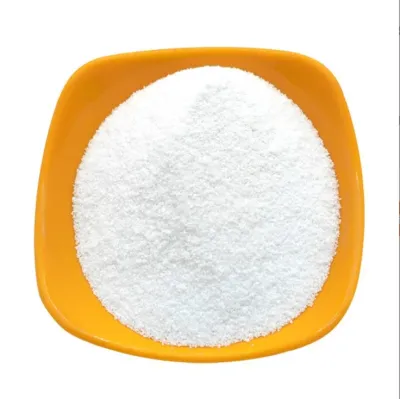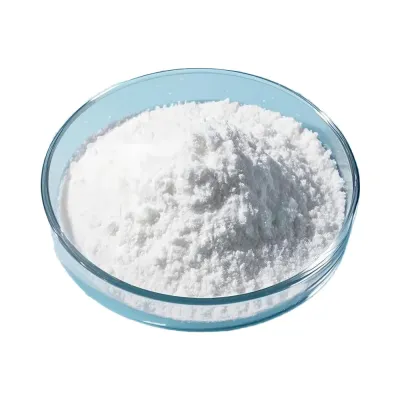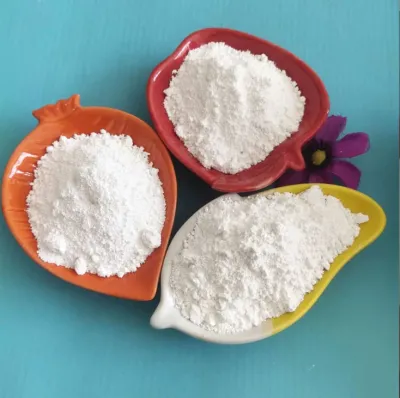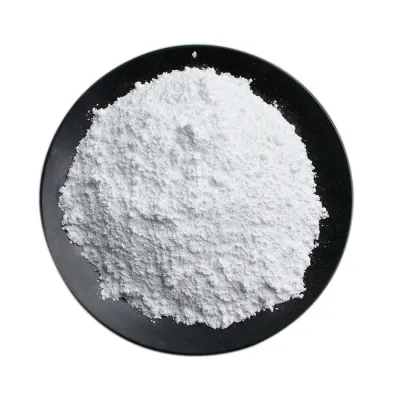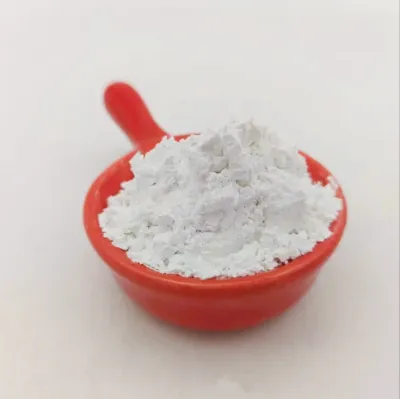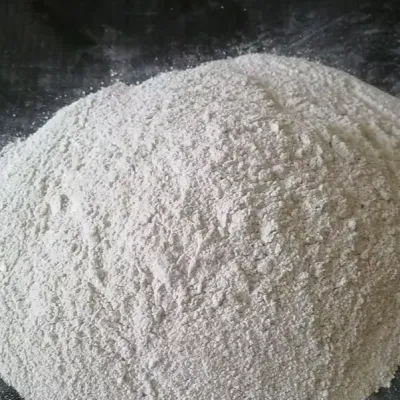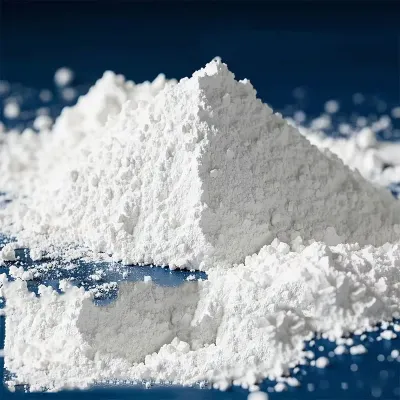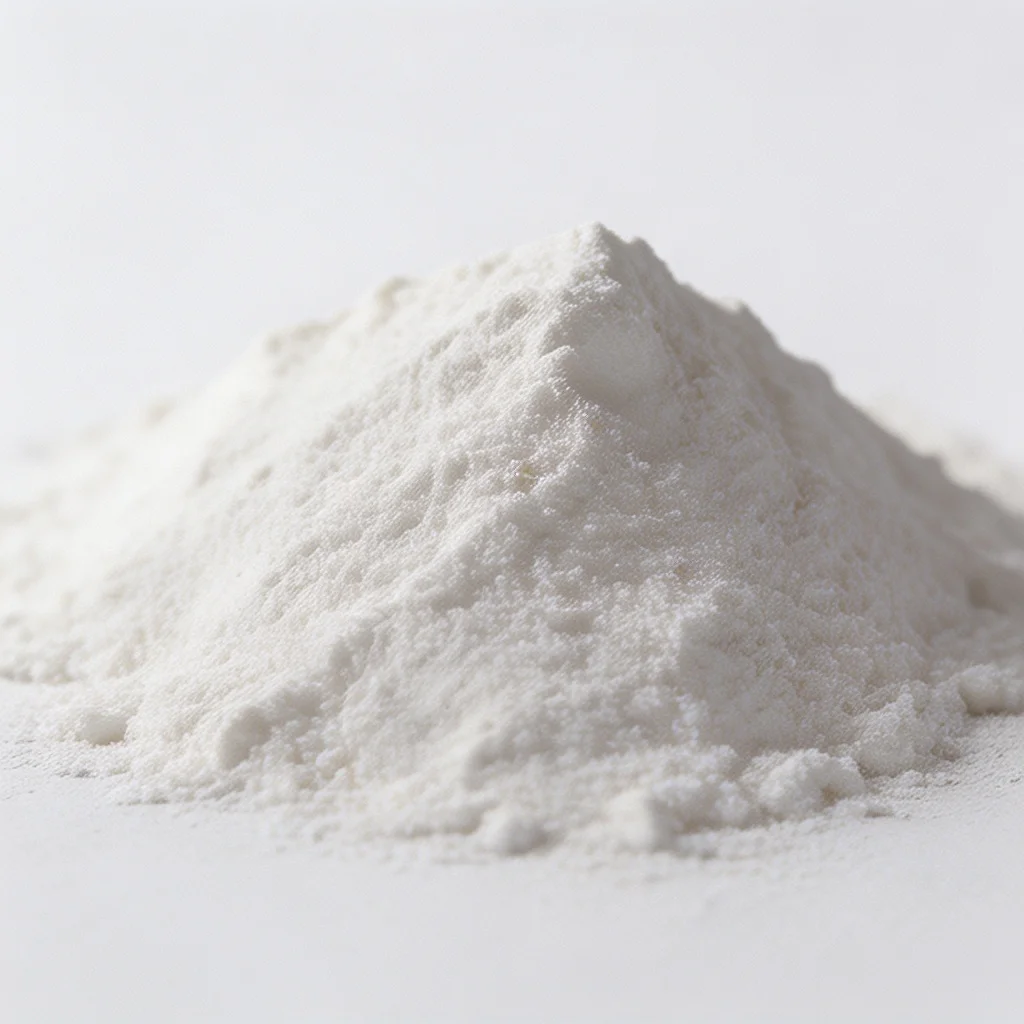

Light Precipitated Calcium Carbonate PCC CaCO3 96% White Superfine Powder for Paint-Material Comparison
-
ColorWhitePhysical formPowder
-
CAS No.471-34-1Purity96%
-
Appearancewhite superfine powerApplicationPaint, Plastic, Rubber, Paper Making, Building
-
ClassificationCarbonateEINECS No.207-439-9
-
Grade StandardIndustrial GradeMolecular FormulaCaCO3
-
Other Nameslight Calcium CarbonateTypeCalcium Carbonate
Paint-material selection involves two related questions: which powder meets the raw-material requirements, and how that sample behaves in the actual coating. This light precipitated/PCC calcium carbonate is described as industrial white superfine CaCO3 powder with purity 96%.
Separate powder acceptance from coating observations
Define the chemical and physical limits required of the powder before reviewing finished-formulation results. Current assay, relevant impurities and measured particle properties should describe the offered material, while coating observations should concern the actual sample tested.
Request evidence for the premium or standard model
The real model labels are premium product and standard product. Name the option under consideration and obtain its technical data, rather than treating either label as proof of a measured quality difference or an application advantage.
- Powder comparison
- Model-linked chemical analysis, particle measurements and required optical or treatment information.
- Coating comparison
- Relevant formulation observations judged against the paint project’s agreed acceptance criteria.
Confirm the measurements needed by the actual paint system
Ask for method-defined optical results where the project requires them and clarify any surface treatment. White or superfine descriptions do not establish opacity, gloss or dispersion, so these questions need the corresponding material and formulation evidence.
Plastic, rubber, papermaking and building directions are also listed and require their own evaluations. Obtain current safety documentation and retain the actual model with the powder report and coating observations, supporting a clear material decision based on the grade and formulation actually assessed.