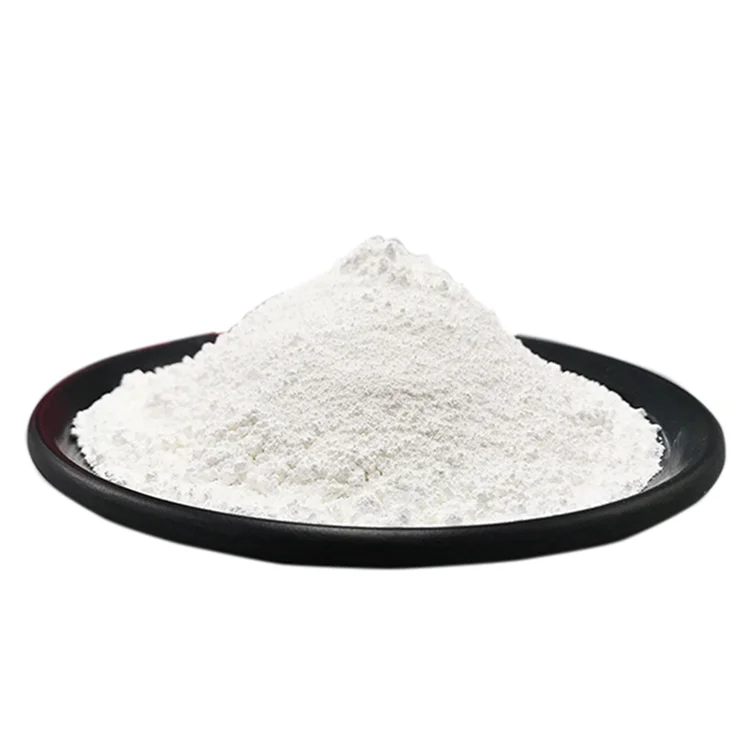
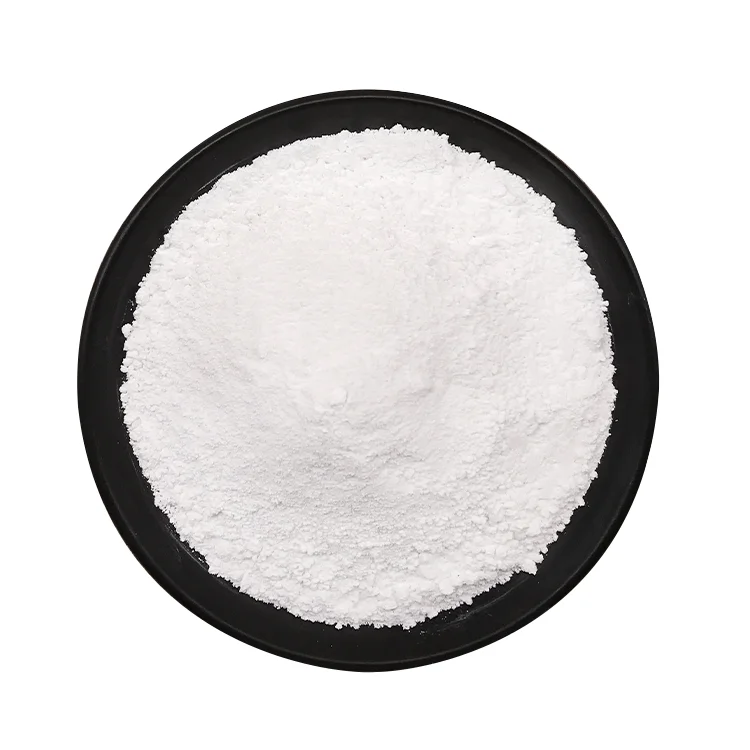
Modified Precipitated Barium Sulphate Blanc Fixe for Printing Ink, 98.5% Minimum Purity and D50 0.3 Micron
-
Particle-size designationD50 specifiedColorWhite
-
Physical formPowder
-
CAS No.7727-43-7Purity98.5%min
-
AppearanceWhite PowderApplicationCoating,Paint
-
ClassificationSulphateEINECS No.231-784-4
-
Grade StandardIndustrial GradeMolecular FormulaBASO4
-
Other Namesblanc fixeTypeBarium Sulfate
-
ColorWhiteD50 (μm)0.3
-
Whiteness98.5%Hs code2833270000
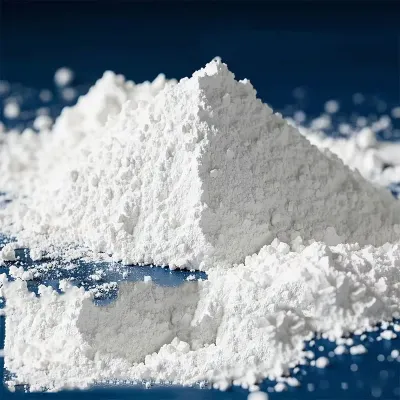
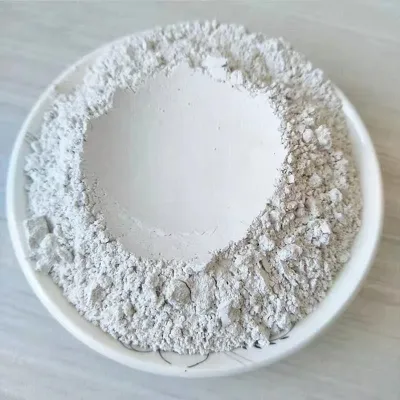
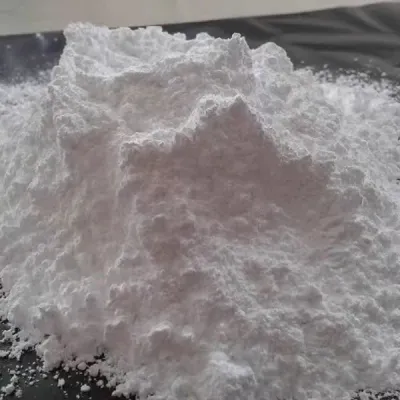
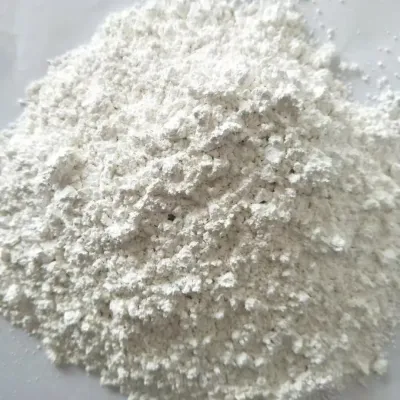
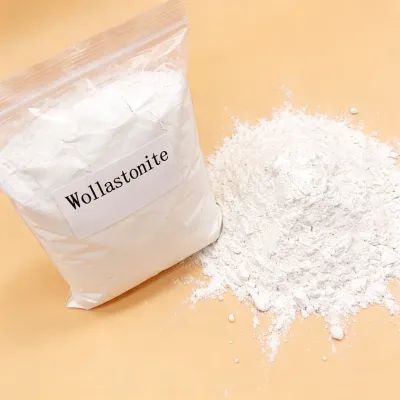
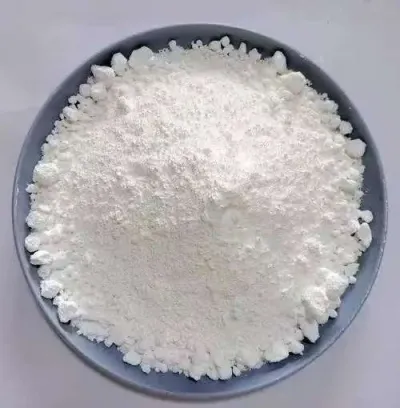
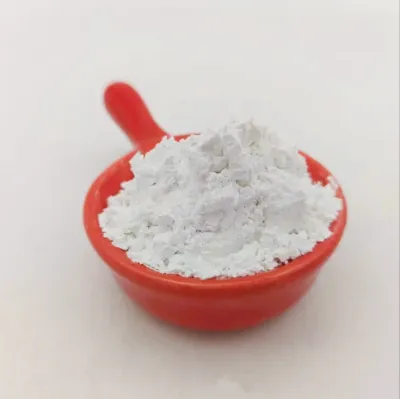
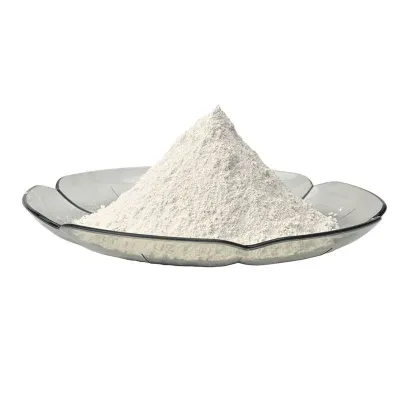
This precipitated barium sulphate, also identified as blanc fixe, is a white powder with a minimum purity of 98.5% and a D50 of 0.3 micron. For a printing-ink enquiry, confirm the actual chemical modification and binder requirements before assessing the proposed fine powder.
Identify the offered modification precisely
A chemical-modified description does not specify the treatment chemistry, amount or delivered surface characteristics. Request the actual treatment specification, composition and product-specific safety documents, and confirm that the proposed grade is the material intended for the ink trial.
Keep median size, whiteness and assay distinct
The 0.3 micron D50 provides a specific median criterion, while the 98.5% whiteness describes a separate optical requirement. Neither is the chemical-purity percentage, so confirm the particle method, optical reference and assay basis independently before comparing the material with another blanc fixe grade.
- Identify the ink binder and the intended sulfate role.
- Obtain the actual modification specification and measured particle distribution.
- Define the optical and processing tests needed to approve the sample.
Test the modified powder in the actual formulation
Coating and paint are additional identified directions, with their own binder and process criteria. A fine median and white appearance do not establish universal dispersion, gloss or compatibility, so a representative ink formulation should determine the actual processing and appearance result.
For this modified blanc fixe enquiry, use the minimum 98.5% assay and confirmed treatment as part of a defined grade specification. Then assess the 0.3 micron median and optical criteria through the intended ink trial, with the actual binder requirements guiding the material decision.