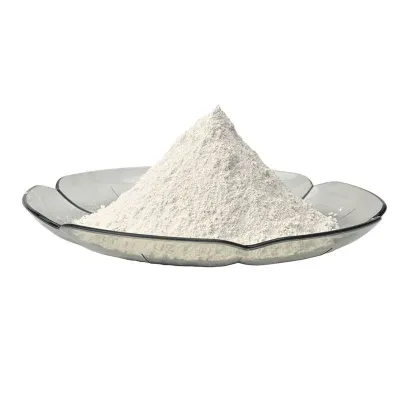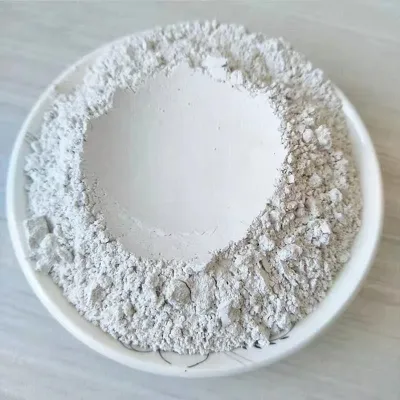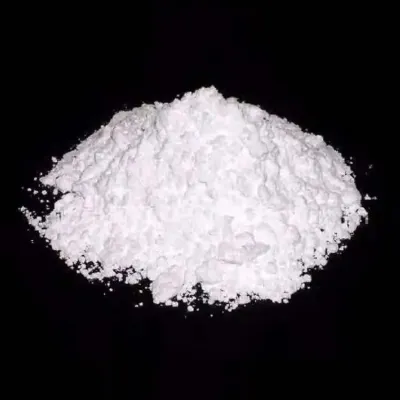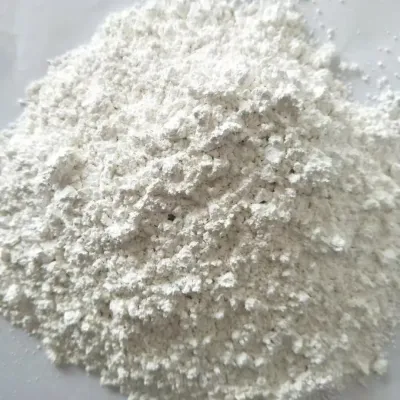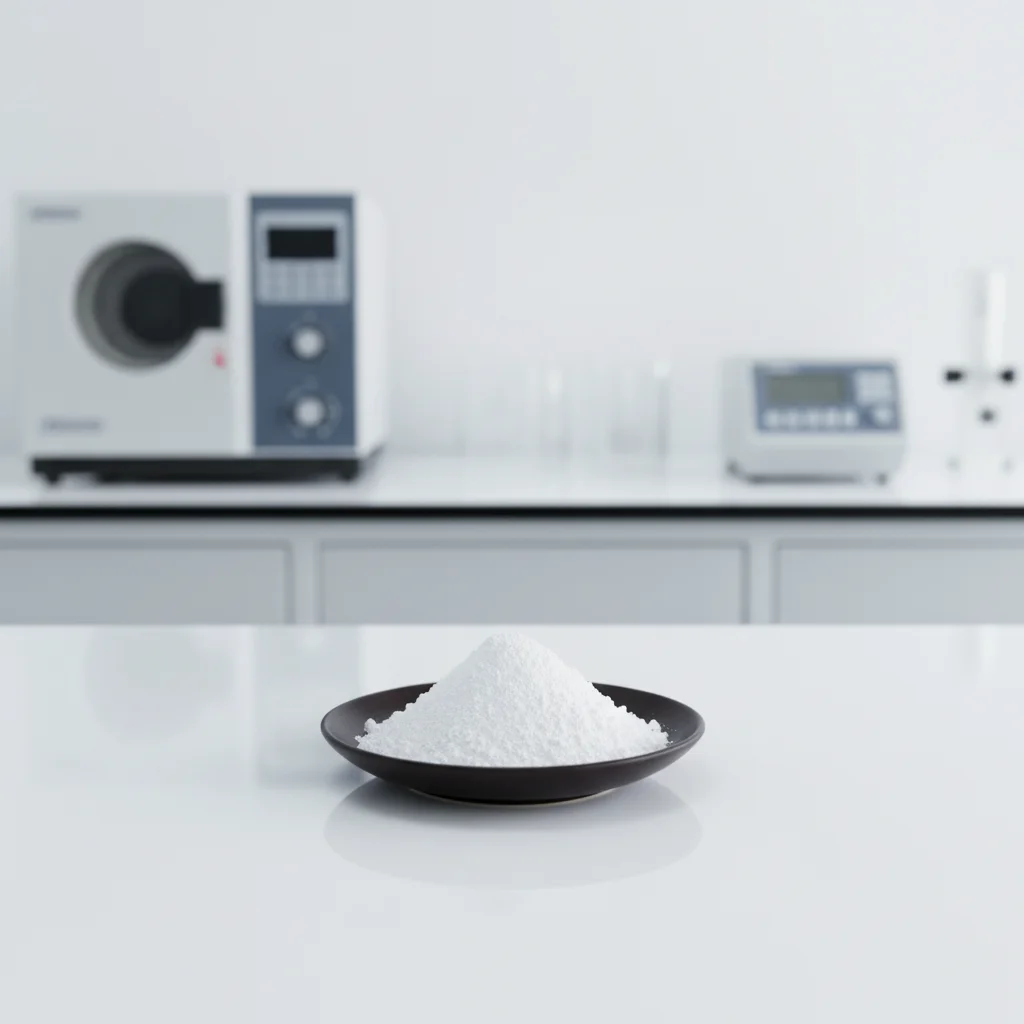
Natural Barium Sulphate Barite Powder for Paint, D50 8 μm, 75–92% Whiteness Option
-
Particle-size designationD50 specifiedPhysical formPowder
-
CaO Content (%)0.4%Dimensionspowder
-
Fe2O3 Content (%)0.06%SiO2 Content (%)1%
-
ApplicationPaintBaSO4 Content (%)88%
-
Largest Crystal50 micronTypeBarite Powder
-
Weight4.2BaSO4 purity>90%
-
D50 Particle size8 micronUsagePaint
-
CertificateRoHSHs code25111000.00
-
ph7+-0.5Loss on ignition1.2
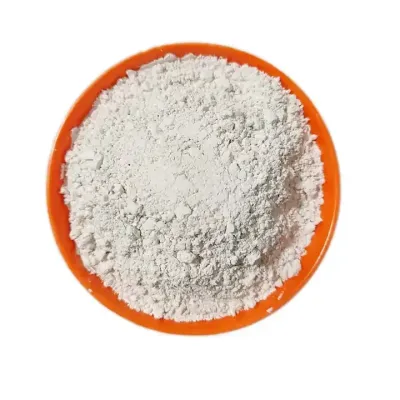
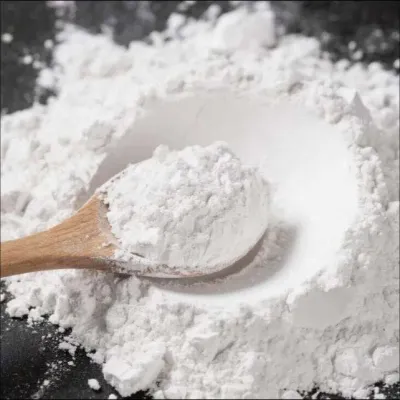
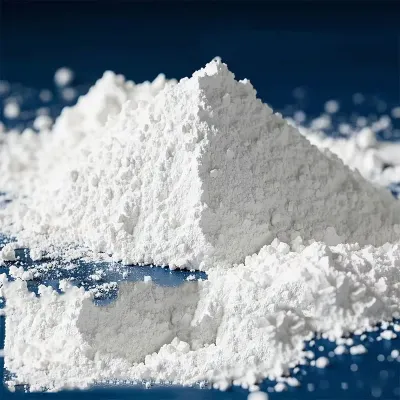
For a natural-barite paint comparison, the selected sample's particle and colour requirements should be explicit. This industrial-use barium sulphate powder has a stated D50 of 8 μm and a selectable whiteness range of 75–92%. Paint is its named application direction.
Use the oxide report to frame the enquiry
The stated composition includes CaO at 0.4%, Fe2O3 at 0.06% and SiO2 at 1%. Request current analysis on a reconciled assay basis for the actual material. Compare the constituents with the paint specification rather than treating a broad purity description as a complete compositional guarantee.
Distinguish median particles from crystal dimensions
D50 is stated as 8 μm, while a separate largest-crystal dimension is given as 50 μm. Ask how those properties are measured and related in the selected sample. Obtain the full powder distribution before assigning a maximum-particle acceptance limit.
Select the required whiteness within the available range
Specify the acceptable whiteness and its measurement method instead of assuming every sample reaches the range's upper endpoint. Keep the stated pH of 7±0.5 on its own test basis. Neither powder whiteness nor pH establishes the appearance or compatibility of a completed paint.
Verify the project requirements through evidence
Evaluate the material in the intended binder and record the result against agreed criteria. If restricted-substance or environmental requirements apply, request relevant supporting documents with a defined scope. Keep those records attached to the sample used in the paint comparison before acceptance.