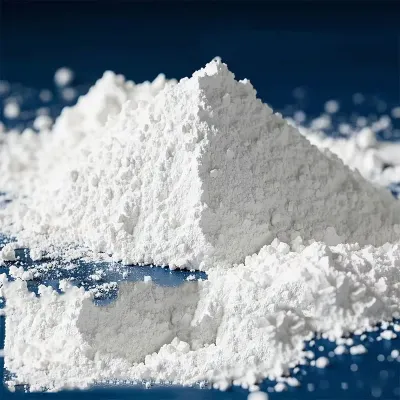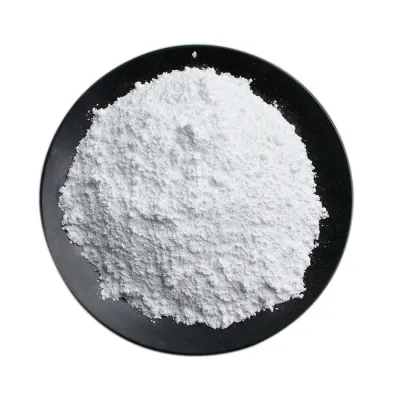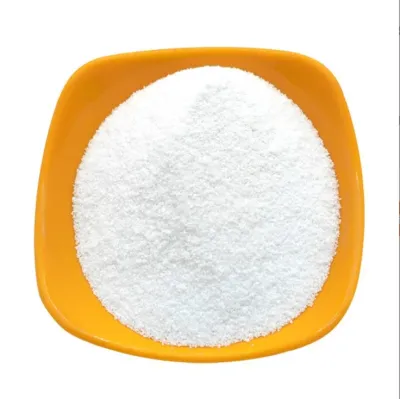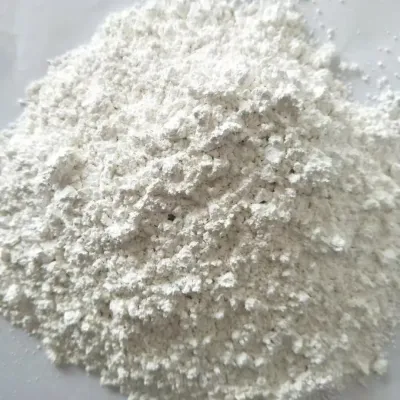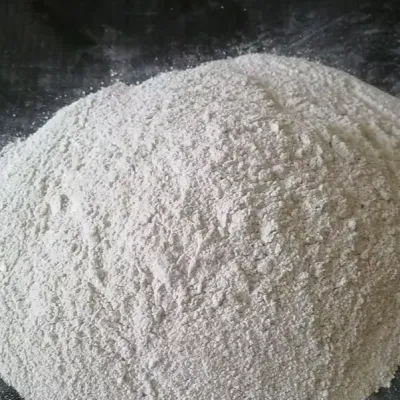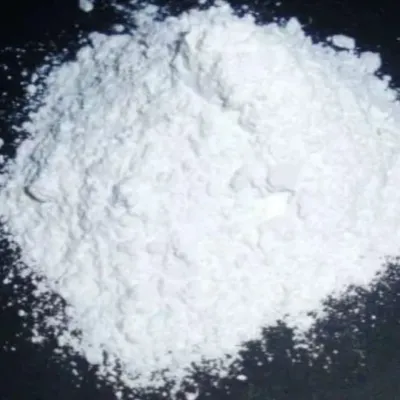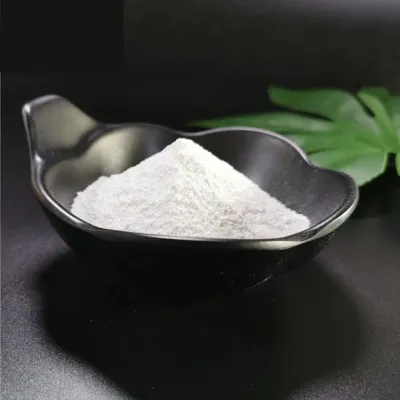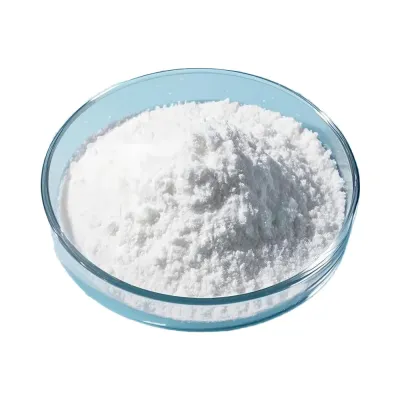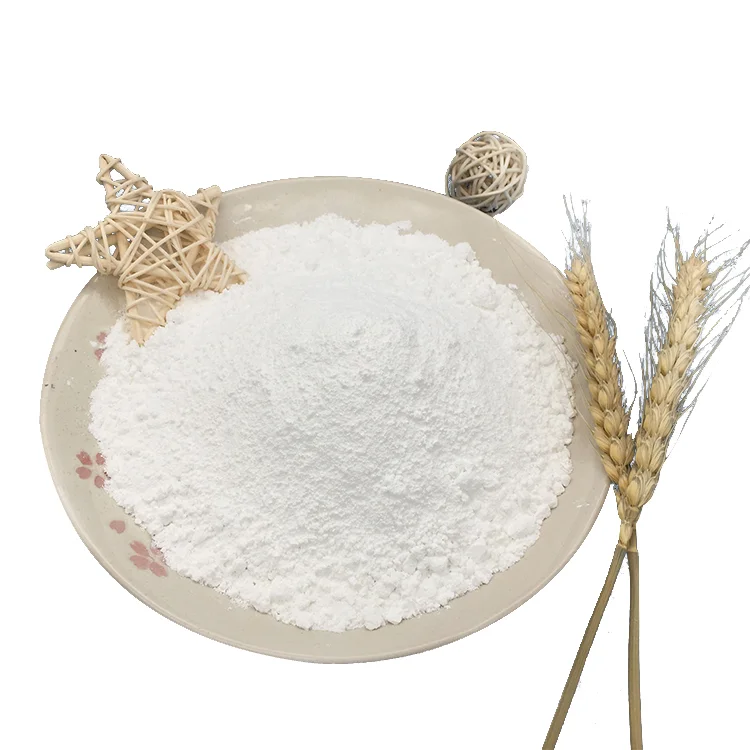
Natural Industrial Barium Sulfate Powder, 86–97% Purity Range, for Printing Ink, Coatings, Paints and Rubber
-
Particle-size designationD97 specified , D50 specifiedColorWhite
-
Physical formPowder
-
CAS No.13465-86-7Purity86-97%
-
AppearanceWhite PowderApplicationPrinting Ink,Coating,Paints,Rubber,Plastic,Pigment
-
ClassificationSulphateGrade StandardIndustrial Grade
-
Molecular FormulaBaSO4Other NamesBaSO4
-
TypeBarium SulfateNameBarium sulfate / Blanc fixe / Barite powder
-
Particle size D508, 22, 25, 29, 35MicronParticle size D972.5, 8, 10, 12, 18 Micron
-
Whiteness88-92%Specific Gravity4.0-4.4
-
CertificateISO 9001Hs code251110
-
ph7-9
A broad mineral range becomes useful for formulation work only after the actual offered grade is defined. This natural industrial white barium sulfate is described with 86–97% purity, 88–92% whiteness, specific gravity 4.0–4.4 and pH 7–9.
Select the actual grade within the range
Request the offered-grade designation and current chemical analysis before planning a trial. Confirm the guaranteed assay and acceptance limits for that material, rather than assuming that every value in a broad range applies to one powder.
Obtain a coherent particle distribution
Ask for a grade-specific report that defines D50 and D97 together, with units and measurement method. Keep each percentile tied to the same measured distribution; do not assign separate particle entries to a formulation without a confirmed grade relationship.
- Optical definition
- Confirm the whiteness method and result for the actual offered grade.
- Material definition
- Confirm the treatment information and current chemical identification.
Match the documents to the intended formulation
Identify the printing ink, coating, paint, rubber or plastic system and its own acceptance criteria. Request applicable ISO9001 certificate scope if needed, then assess the defined powder in a relevant binder or polymer trial.
Bring the selected grade and requested measurements into the technical enquiry together. That preparation turns the range-level description into a concrete comparison without assuming a single particle profile or a finished-formulation performance guarantee.