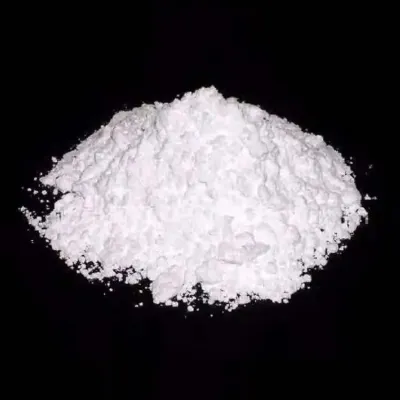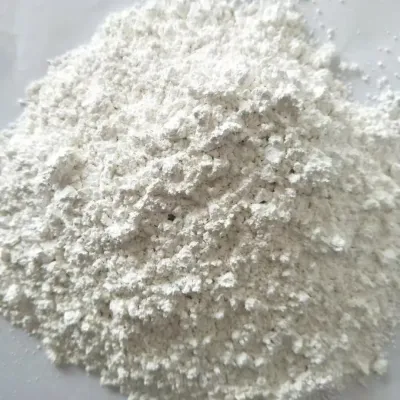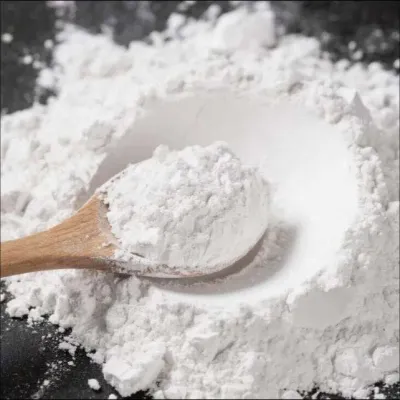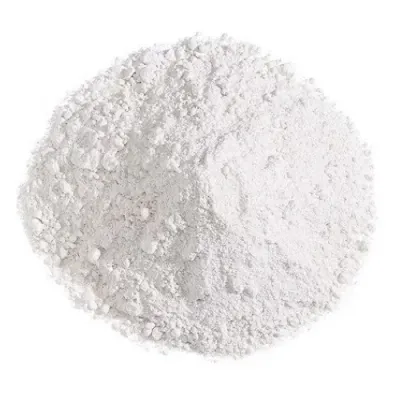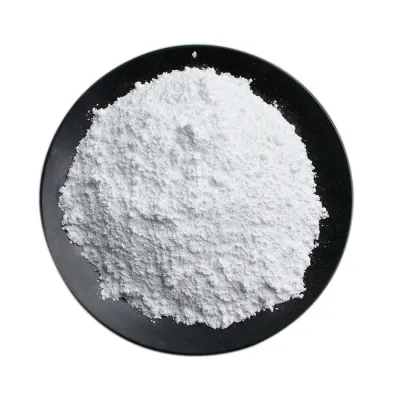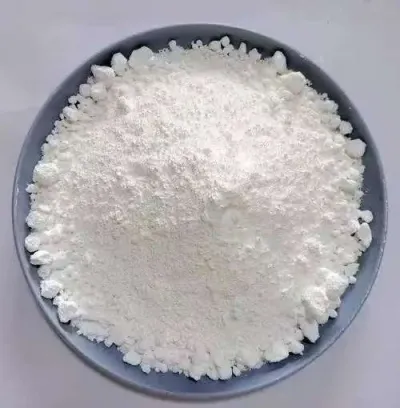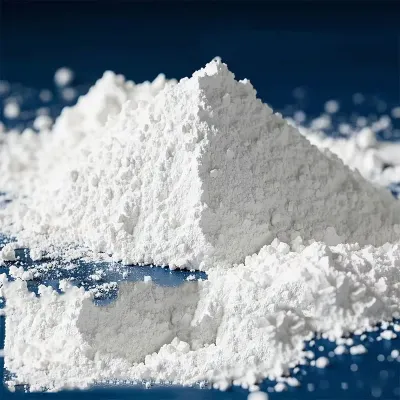
PCC Precipitated Calcium Carbonate, 96% Industrial White Superfine CaCO3 Powder for Paint Enquiries
-
ColorWhitePhysical formPowder
-
CAS No.471-34-1Purity96%
-
Appearancewhite superfine powerApplicationPaint, Plastic, Rubber, Paper Making, Building
-
ClassificationCarbonateEINECS No.207-439-9
-
Grade StandardIndustrial GradeMolecular FormulaCaCO3
-
Other Nameslight Calcium CarbonateTypeCalcium Carbonate
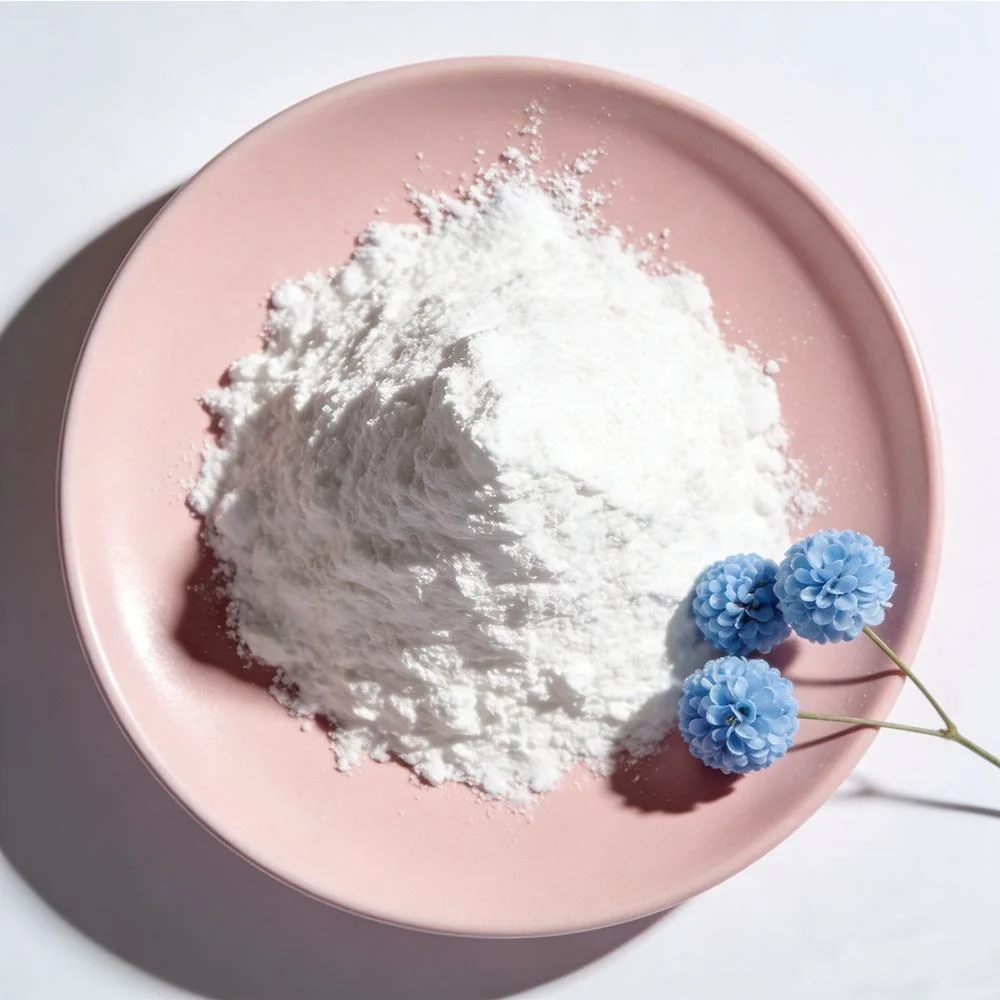
A PCC enquiry for paint should describe the coating target as clearly as the powder requirement. This precipitated calcium carbonate, known also as light calcium carbonate, is white superfine industrial CaCO3 powder with stated purity of 96%.
Give the coating target a measurable definition
Identify the binder and the finish or application measurements that matter to the proposed paint. Ask which current powder measurements are relevant to that assessment, rather than treating white appearance as an optical guarantee.
The purity statement concerns composition and supplies no whiteness scale or particle distribution. Request the methods needed to compare a proposed sample with the coating requirement.
Examine each PCC model on its own evidence
Premium product and standard product are the actual available labels. Obtain their separate technical sheets before drawing conclusions about differences in fineness, composition or formulation response.
- Physical evidence
- Request the particle information and any moisture or oil-absorption results needed for the comparison.
- Treatment scope
- Ask for a declaration if a treated grade is required by the binder system.
Use the paint trial to support model selection
Assess the offered sample against the agreed coating criteria and retain its current analysis with the result. A model name does not establish a guaranteed advantage, an activated treatment or a replacement ratio.
Plastic, rubber, papermaking and building are other named contexts for this PCC. Their evaluations should follow the relevant material requirements, while the paint decision remains tied to the actual model and binder tested.