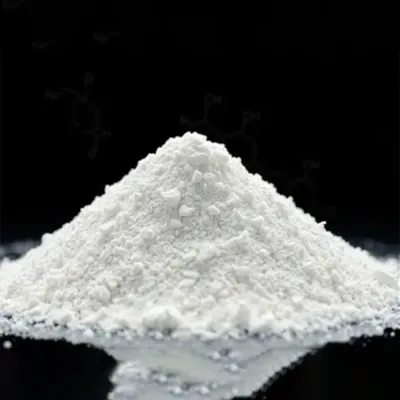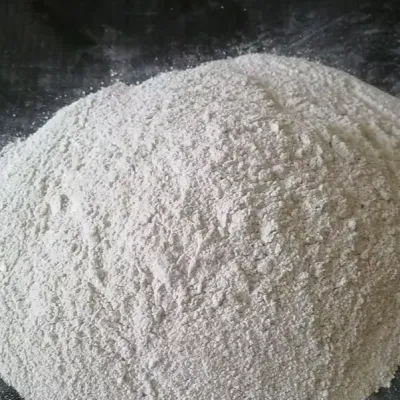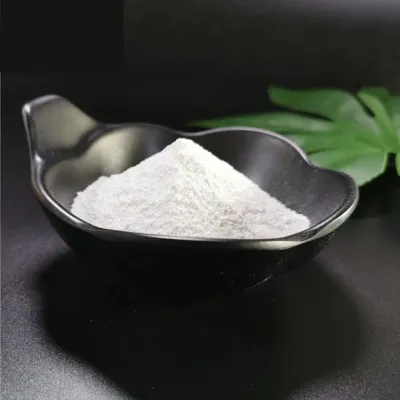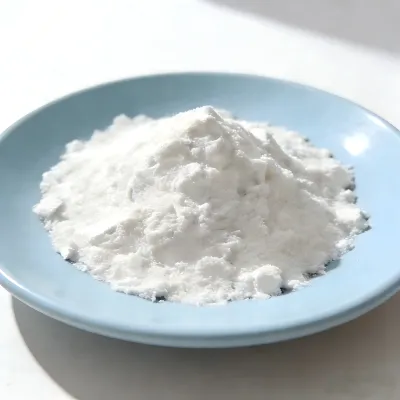
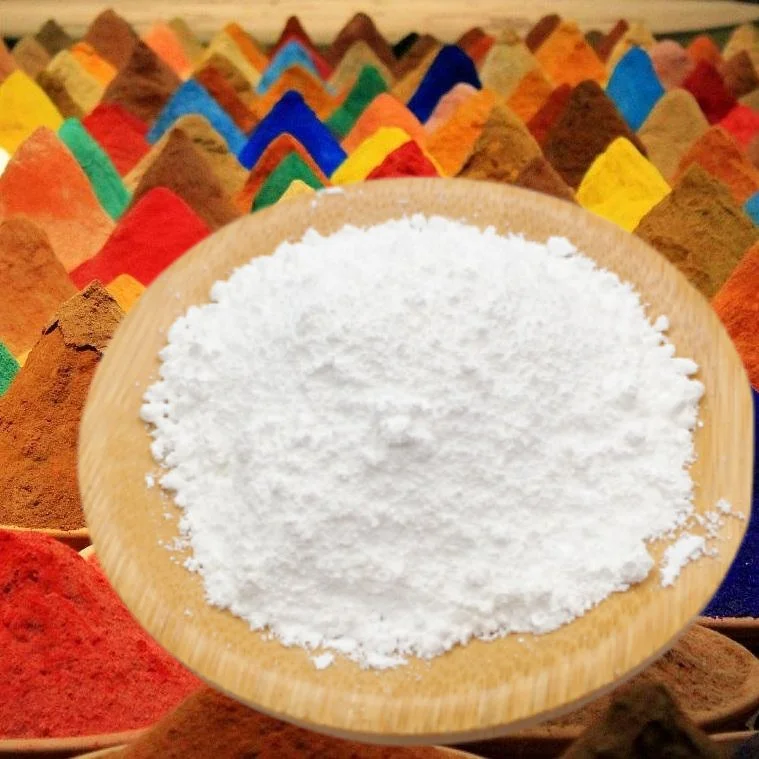
Rutile Titanium Dioxide TiO2 Pigment, 94% Industrial Grade for Paint, Coatings, Plastics and Inks — XM-DHR966
-
ColorWhitePhysical formPowder
-
CAS No.13463-67-7Purity94%
-
AppearanceWhite PowderApplicationPaint
-
ClassificationTitanium DioxideEINECS No.236-675-5
-
Grade StandardIndustrial GradeMolecular FormulaTiO2
-
Other NamesTitanium DioxideOxide TypeAcidic Oxide
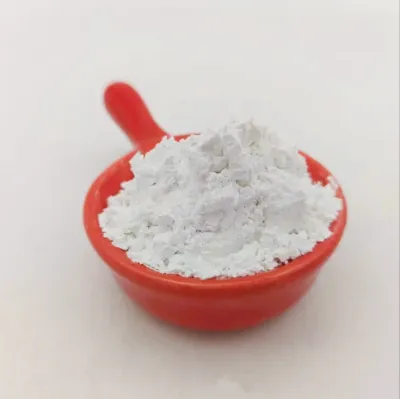
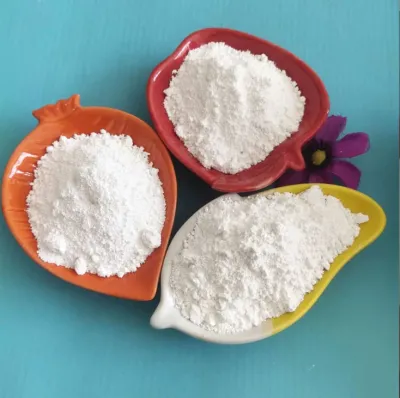
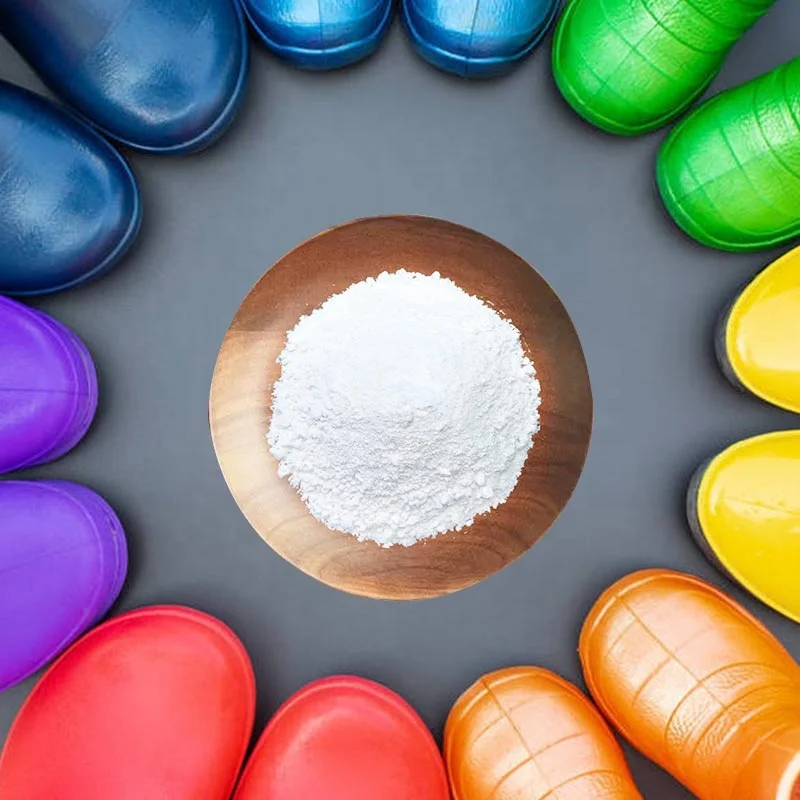
XM-DHR966 brings a defined chemical starting point to industrial pigment screening: rutile titanium dioxide, white powder form and 94% purity. Paint is the primary application, with coatings, plastics and printing inks providing further formulation contexts to discuss when choosing this TiO2 grade.
Rutile identity before optical comparison
A rutile designation helps separate XM-DHR966 from titanium dioxide grades with another crystal identity. The 94% purity is a material-assay value; it does not by itself establish opacity, tinting strength or the amount needed in a particular paint recipe.
A paint trial with the right questions
For XM-DHR966, begin the technical comparison with the intended binder, pigment package and finish. Ask for particle-size distribution, surface-treatment information and relevant dispersion data, then compare the pigment in the same formulation conditions used for the current material.
- Identify XM-DHR966 and the target paint or coating system in the inquiry.
- Check the batch analysis against the 94% TiO2 requirement and chemical identity.
- Assess the finished formulation before extending the result to plastic or printing ink use.
What a nano label cannot settle
A measured particle distribution is needed before specifying nanoscale dimensions for XM-DHR966. Neither the rutile name nor a white powder appearance proves a dispersion outcome, so keep size, surface treatment and finished-film performance as separate qualification questions.
Choose the XM-DHR966 evaluation route when an industrial rutile TiO2 pigment matches the project brief, and let the matched paint trial determine whether this particular grade earns a place in the formulation.