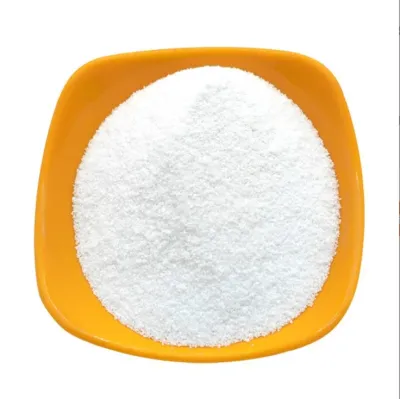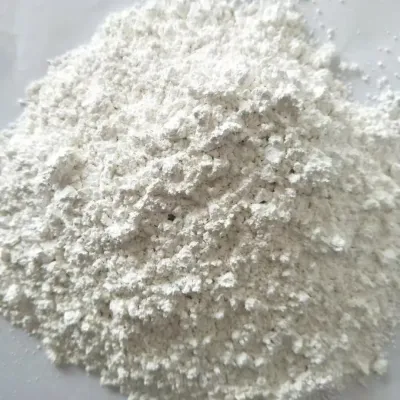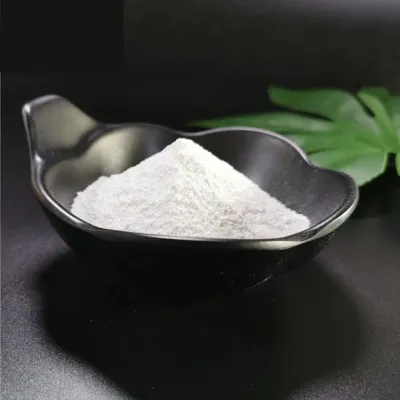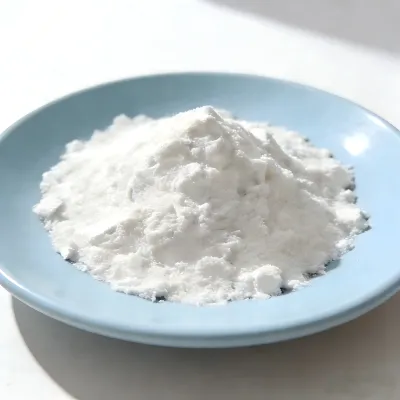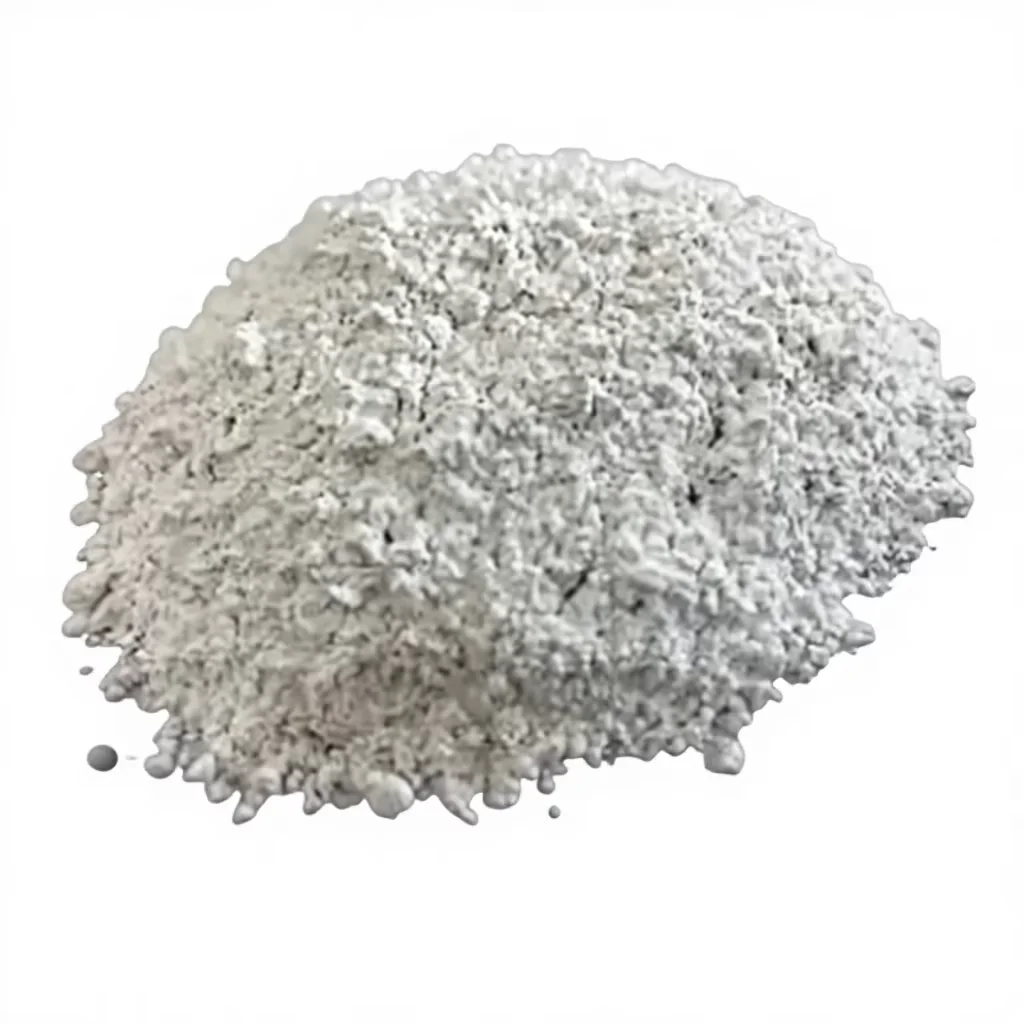
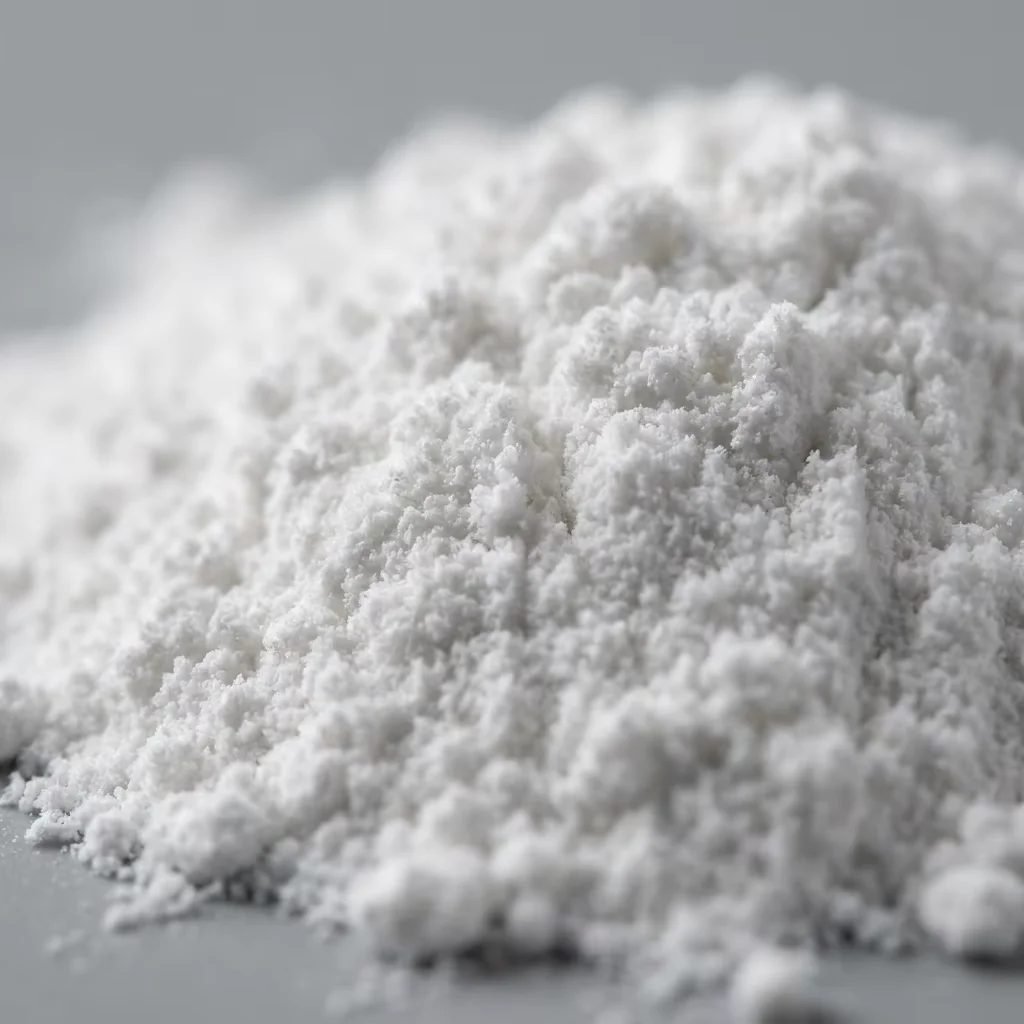
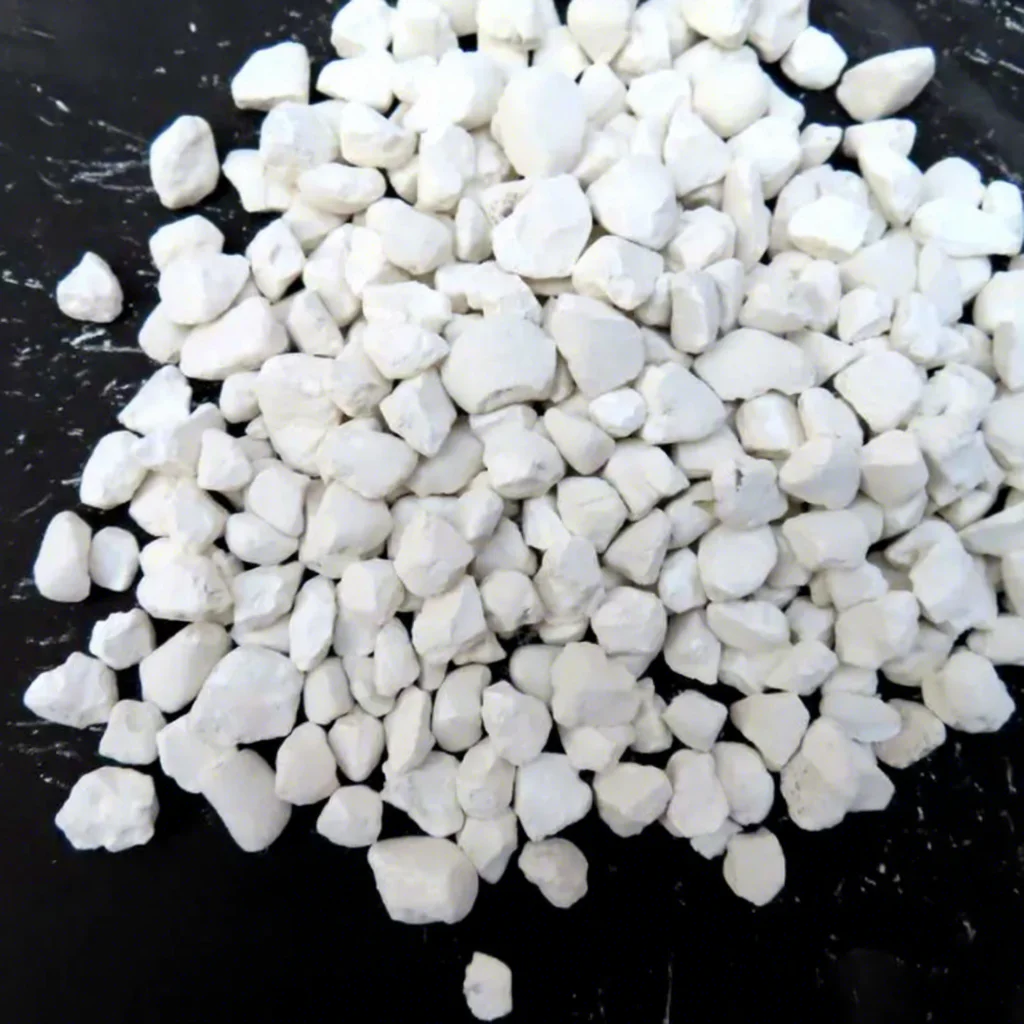
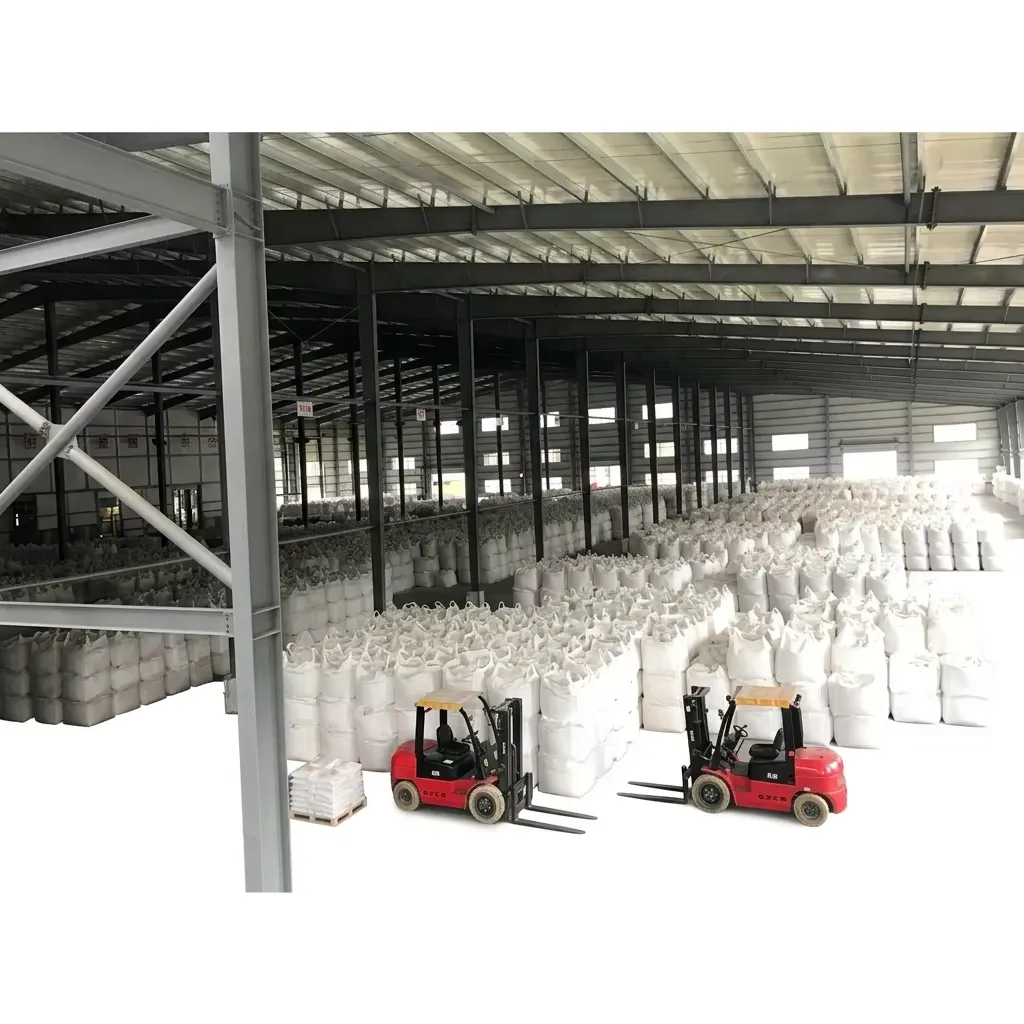
Silica Fume Microsilica, 325 Mesh, for Concrete, Electronics, Coating and Refractory Qualification
-
Particle-size designationMesh designationColorWhite
-
Physical formPowder
-
CAS No.69012-64-2Purity99.5%
-
Model Number325 meshAppearancewhite powder
-
ApplicationPaint,Plastic,ElectronicsClassificationSilicon Dioxide
-
EINECS No.231-545-4Grade StandardIndustrial Grade, Electron Grade
-
Molecular FormulaSiO2Other NamesSilica Fume
-
Whiteness95Fe Content< 0.01%
-
Al2O3 Content< 0.01%Moisture< 0.01%
-
Particle Size325 Mesh
Define the intended process before assessing this industrial silica-fume microsilica powder. It is described as white SiO2 powder with a 325 mesh designation, for concrete, electronics, coating and refractory enquiries as well as paint and plastic assessment.
Match the analytical evidence to one proposed grade
Request the actual silica assay and its reporting basis for the sample. The stated Fe content, Al2O3 content and moisture limits are each <0.01%, with their methods to be confirmed. Keep the reported analytes distinct and retain the relevant sample identifier on the analysis.
Read whiteness 95 as an optical report request
The reported whiteness value is 95, without a defined scale or method here. Obtain that measurement basis rather than treating it as a silica assay or adding an assumed unit. Request the sieve standard, particle distribution and phase characterization behind the powder description as separate evidence.
Write the application's acceptance brief
Specify the process, relevant impurity and particle criteria, and the properties to be evaluated. A concrete, coating or electronics enquiry should retain its own qualification scope rather than inheriting conclusions from another use.
Keep process claims within the evidence obtained
Review matched technical and safety documents before assessing a representative sample. No electrical suitability, reactivity or refractory service temperature is established here. Record the confirmed chemical grade, particle methods and test conditions with the application results. Use that set in repeat enquiries so the discussion remains tied to the material and process actually examined.