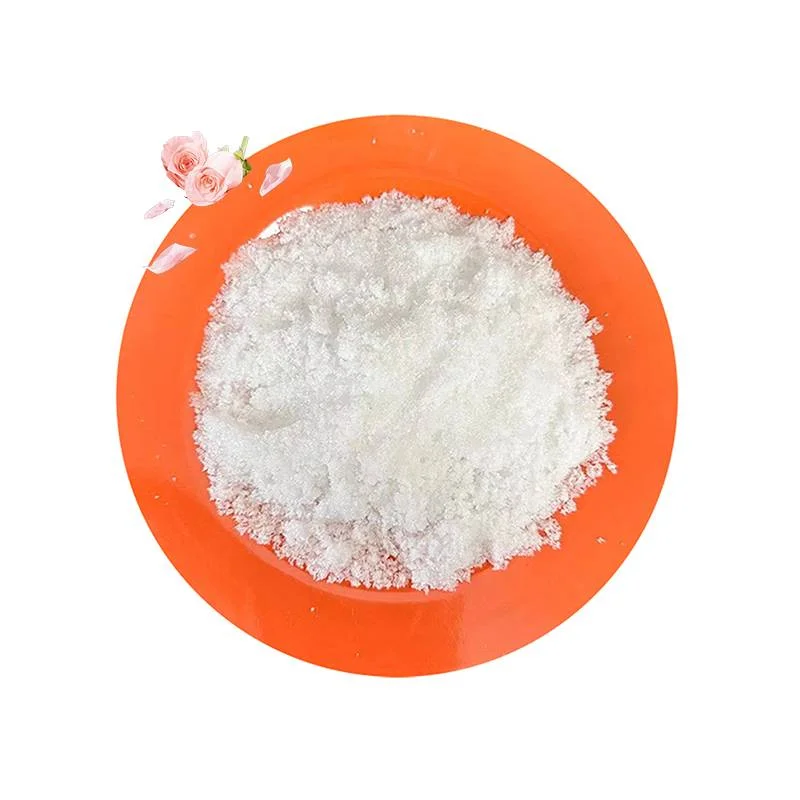
Sodium Acetate Anhydrous White Crystals, 99% Purity for Industrial Environmental Treatment Trials
-
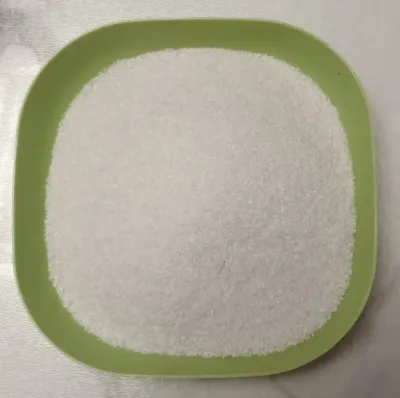
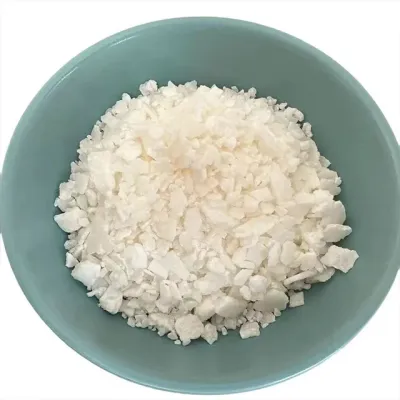
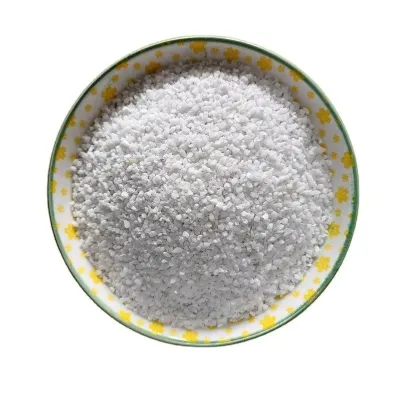
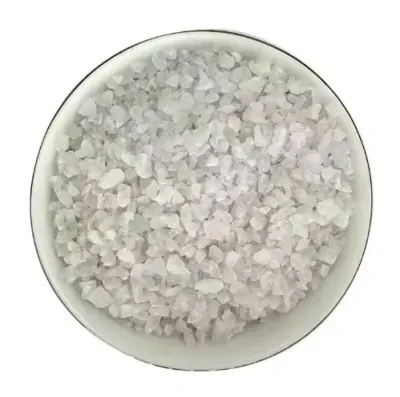
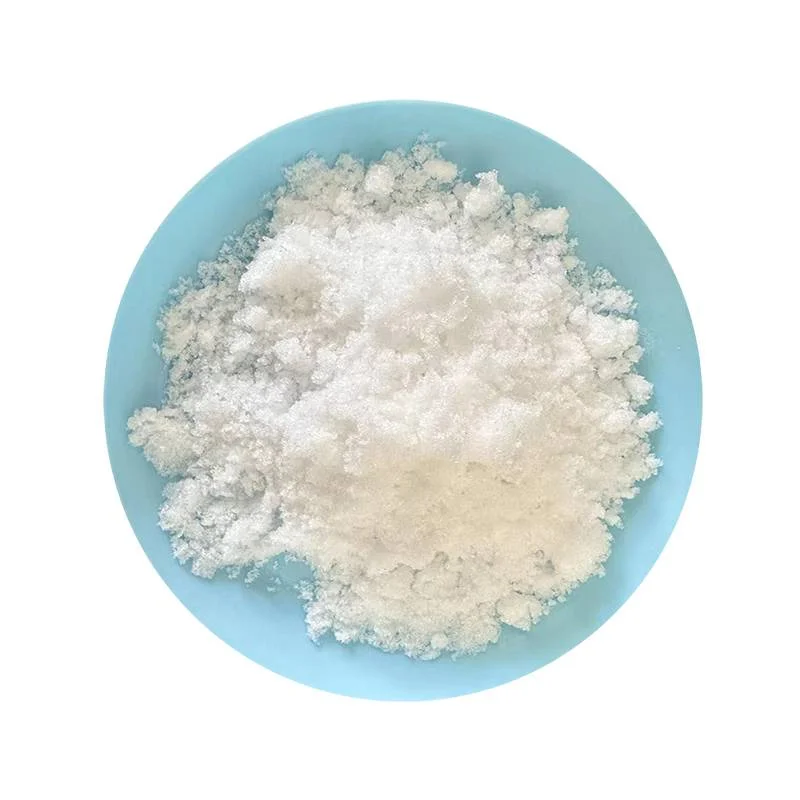
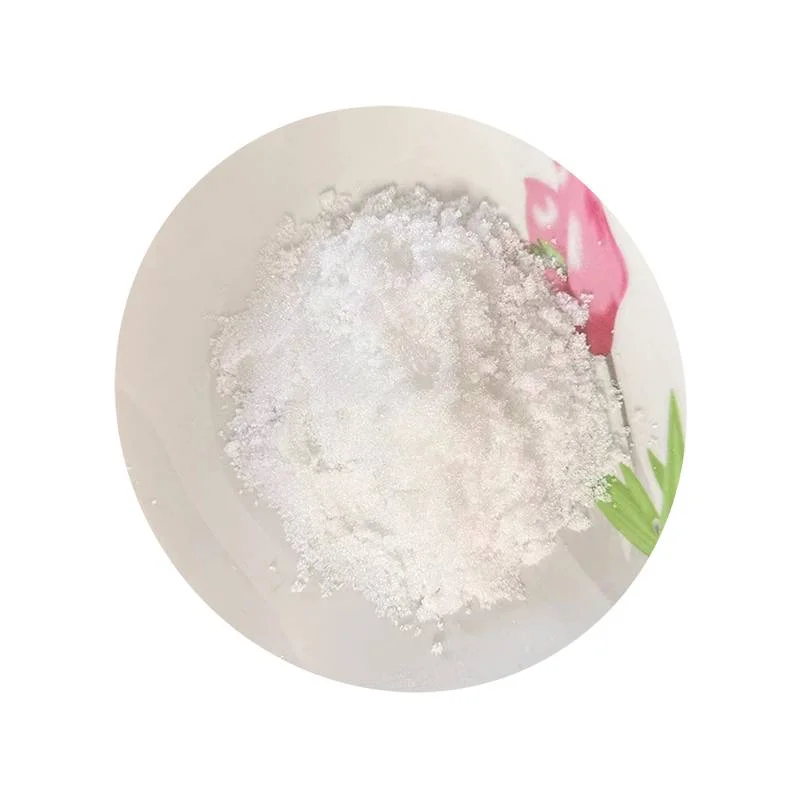
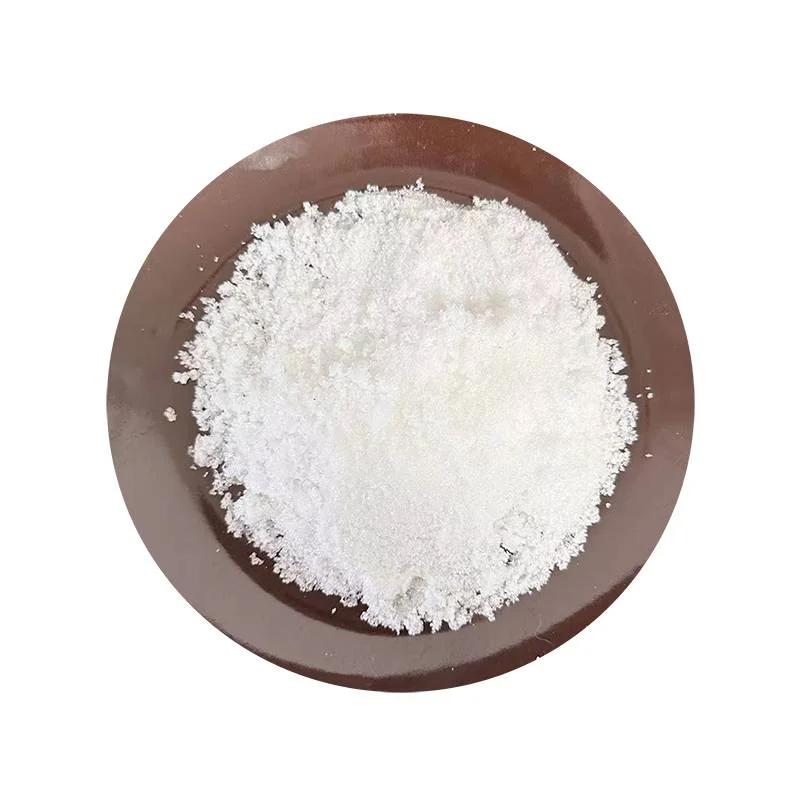
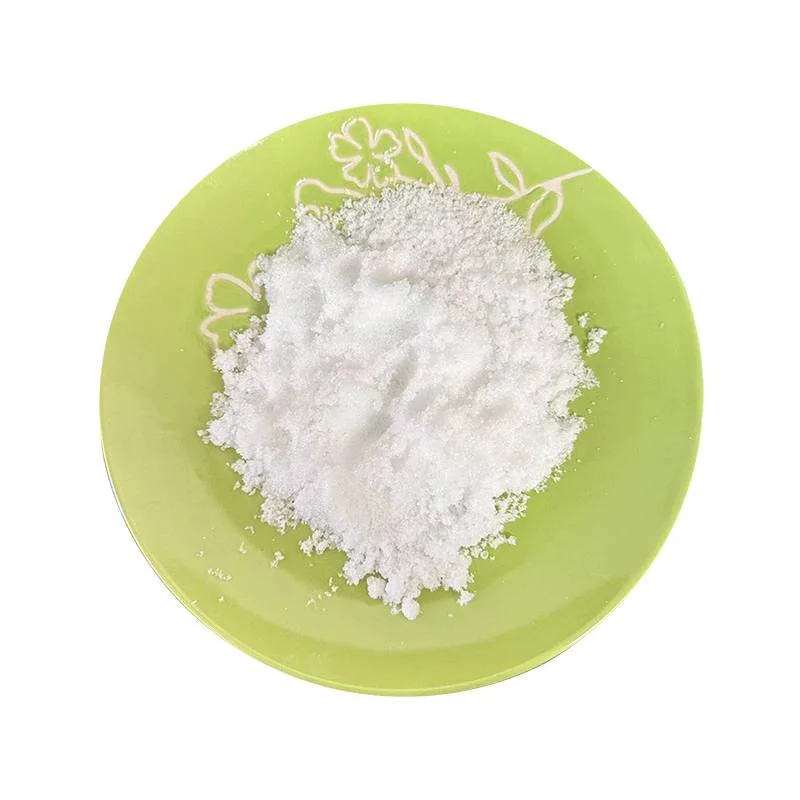
ColorWhitePhysical formCrystalline
-
CAS No.127-09-3Purity99%
-
AppearanceWhite crystalApplicationWater Treatment, Food Additives, Textile Dyeing, P
-
Intended useIndustrial UseEINECS No.204-823-8
-
Molecular FormulaCH3COONaOther NamesAnhydrous Sodium Acetate
-
TypeOtherProduct NameSodium Acetate Anhydrous
-
Molecular Weight82.03Melting Point324°C
-
Density1.53 g/cm³SolubilityEasily Soluble in Water
-
MOQ1 MTPackaging25kg Bag, 500kg Bag, 1000kg Jumbo Bag
-
Supply Ability3000 MT per MonthSampleAvailable
-
CertificateCOA, MSDS, TDS, ISO
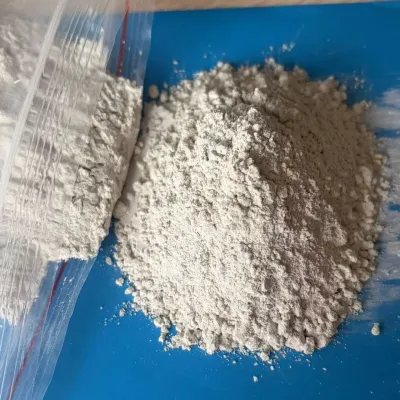
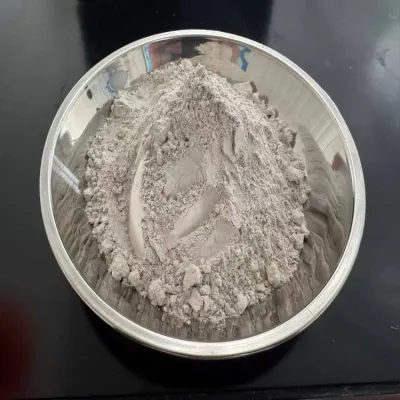
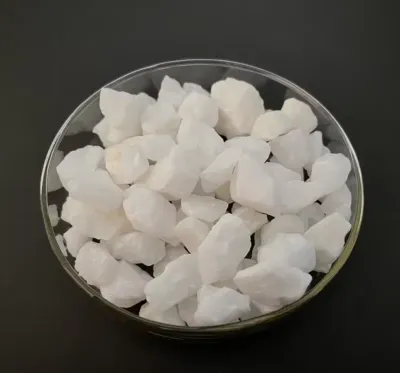
Environmental-treatment enquiries need a defined material role and an actual process acceptance plan. This sodium acetate anhydrous offer provides industrial white crystals with 99% purity, CH3COONa formula and the model designation TY-Sodium Acetate.
Define what the acetate must do in the actual stream
Describe the stream, proposed ingredient role and criteria used to accept the offered material. Environmental or water-treatment wording alone does not assign a carbon-source function, a treatment dose or a removal result, so obtain evidence for the actual proposed process.
- Confirm the anhydrous acetate identity and current assay method.
- Agree relevant impurity limits and physical criteria for the intended use.
- Evaluate representative process results against the defined acceptance requirements.
Confirm crystal and solution measurements
The reported density is 1.53 g/cm3 and melting point is 324°C, each requiring its applicable method and conditions. The water-solubility description is qualitative; ask for relevant solution information without treating it as a dissolution curve or an established operating concentration.
Keep the industrial grade boundary explicit
The material identifies industrial use, which does not establish food-grade suitability from purity alone. Textile-dyeing is another stated direction and needs its own role, formulation or process criteria and acceptance evidence.
Match the actual offered crystals to current technical, analysis and safety documents and reconcile the chemical identifiers. If ISO evidence is required for this environmental enquiry, check the actual certificate and applicable scope together with the material analysis and representative process evaluation.