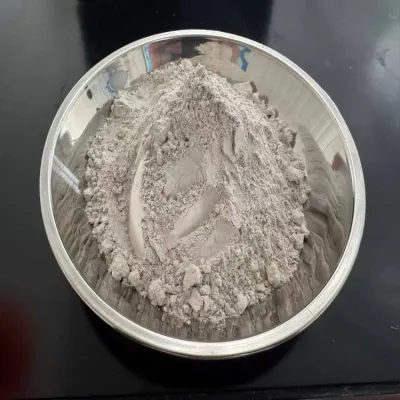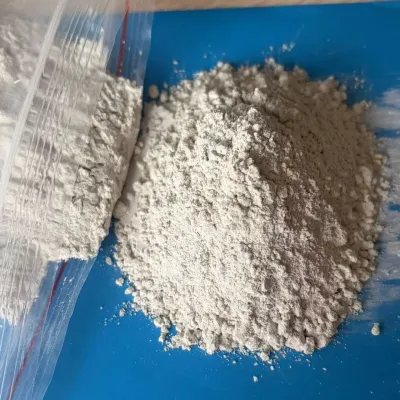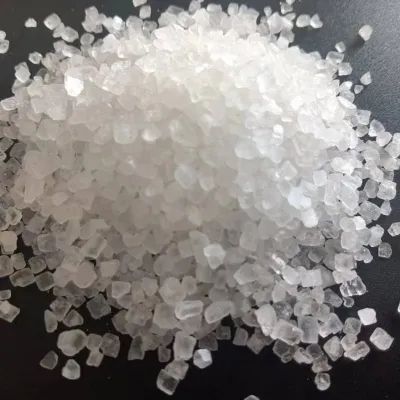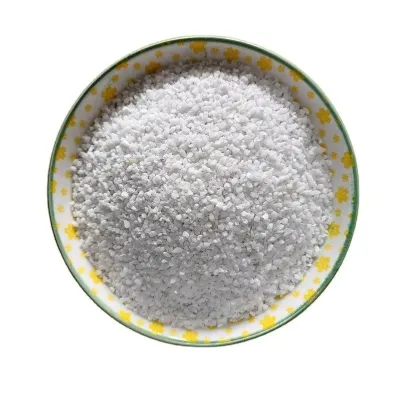
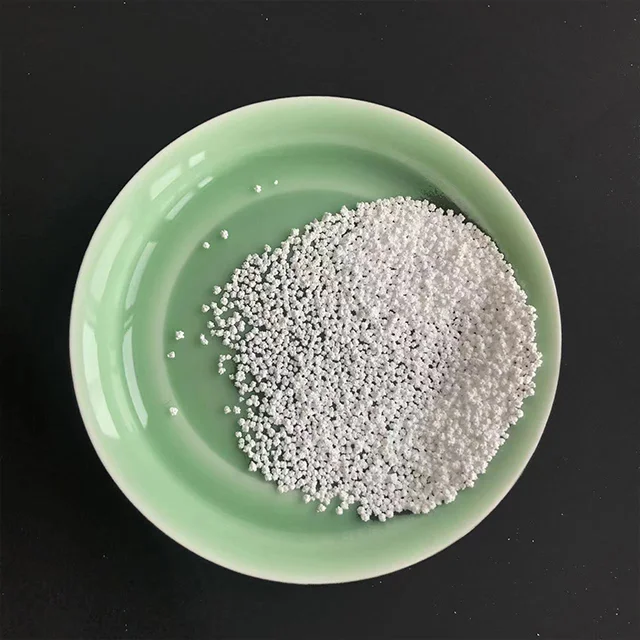
Industrial Calcium Chloride CaCl2 74%, 77%, 94% Grade Enquiry for Water Treatment and Snow-Melt Use
-
ColorWhitePhysical formFlakes , Powder
-
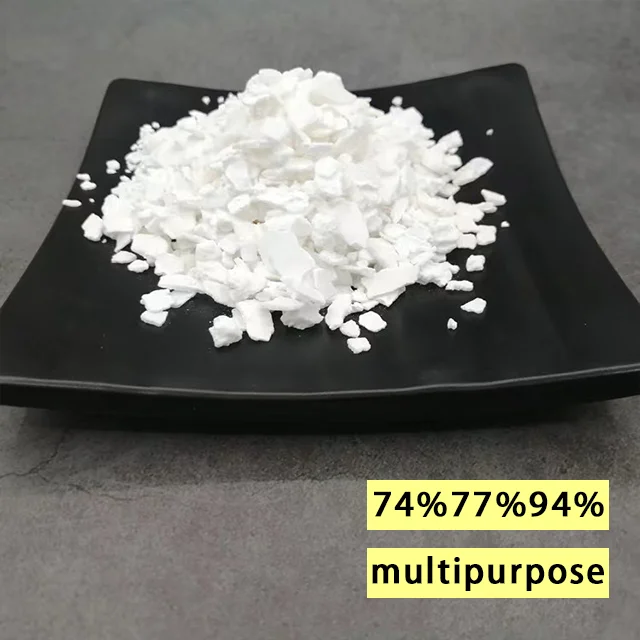
CAS No.10043-52-4Purity74%, 77%, 94%, 74%, 77%, 94%
-
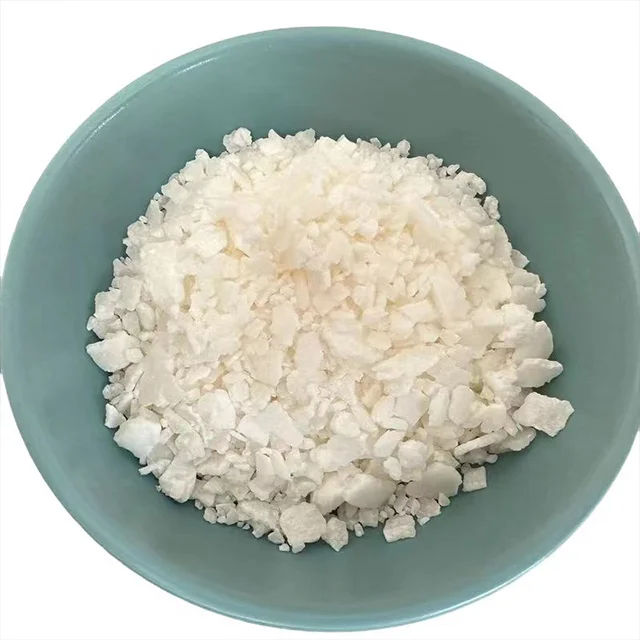
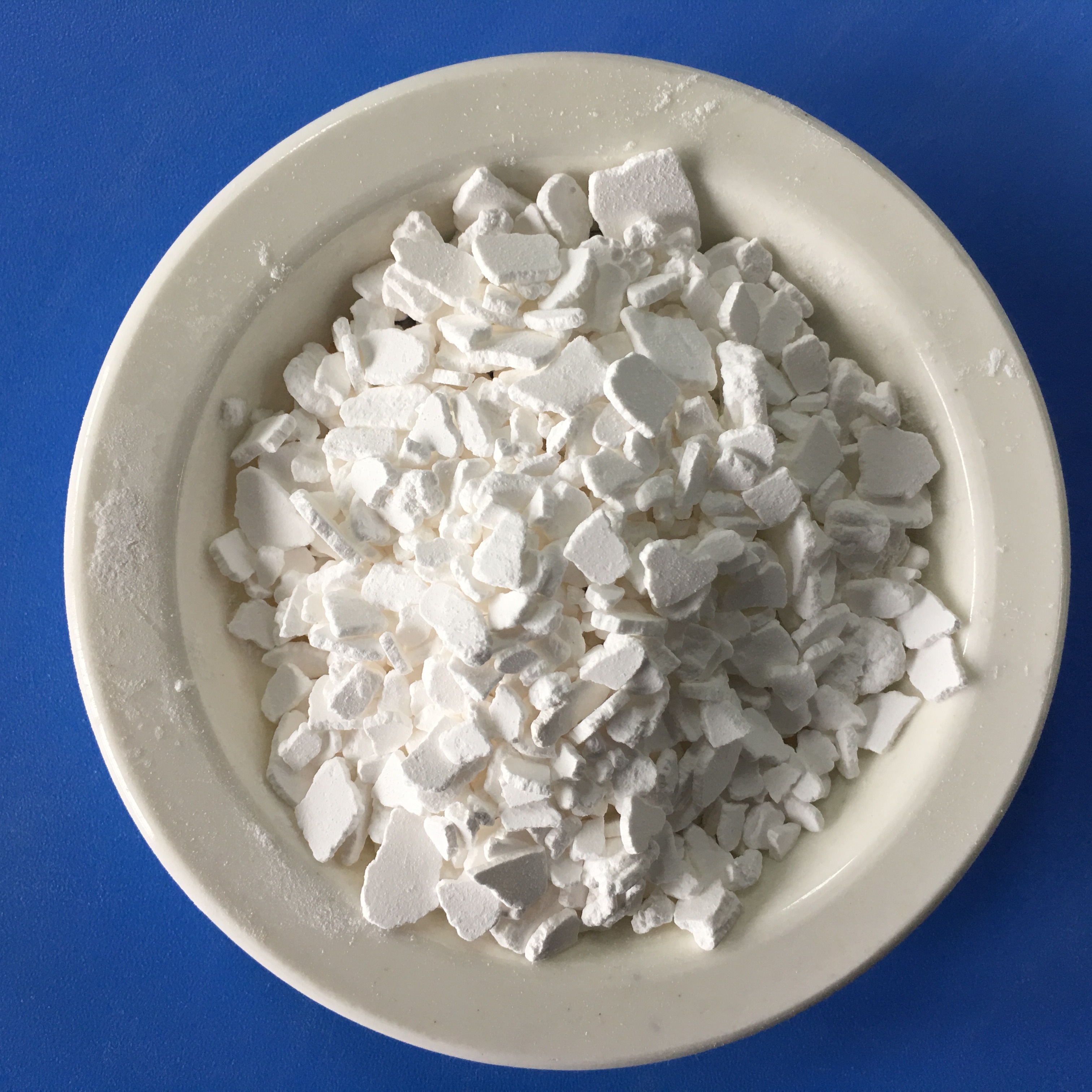
Appearanceflakes , prills, powder, White FlakeApplicationwater treatment snow melt agent
-
ClassificationChlorideEINECS No.233-140-8
-
Grade StandardIndustrial Grade, Industrial GradeMolecular FormulaCaCl2
-
Other NamesCalcium ChlorideTypeCalcium Chloride
-
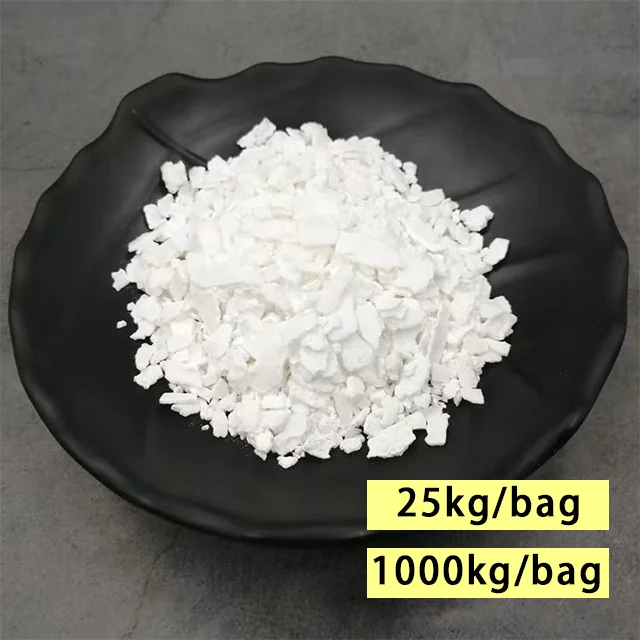
Product NameCalcium ChoridePackage25kg/50kg/1000kg PP + PE Bag
-
MELTING POINT772 °C (lit.)HS CODE28272000.00
-
CAS10043-52-4DENSITY1.086 g/mL at 20 °C
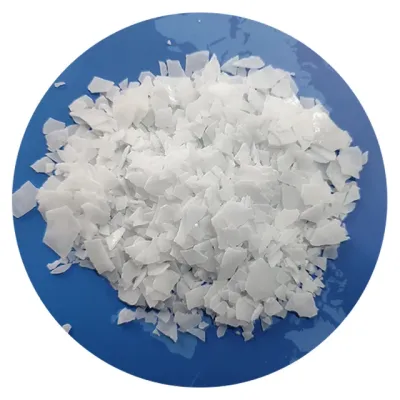
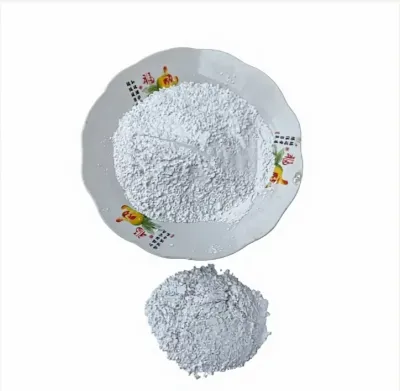
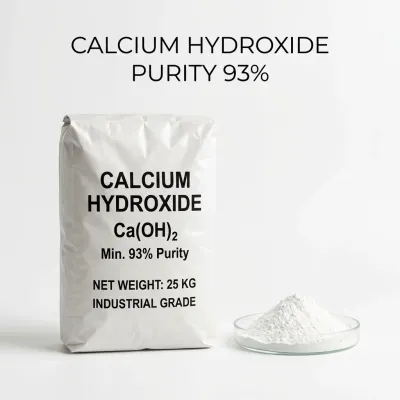
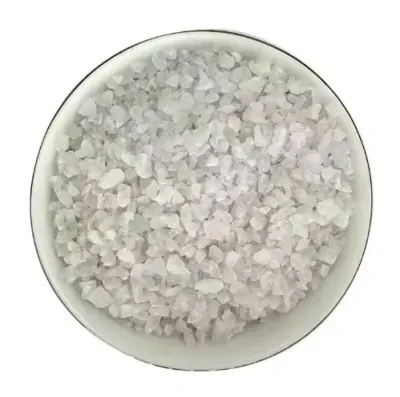
The calcium chloride concentration and physical form need to be considered together for a useful material comparison. This industrial CaCl2 description mentions 74%, 77% and 94% grades, along with flakes, prills and powder, for water-treatment and snow-melt-agent enquiries.
Confirm the grade and form as one material selection
State the concentration and physical form required by the project, then ask which actual material is offered. The descriptive range does not establish a separate selectable variant for every combination, and the hydration state needs confirmation for the chosen grade.
Build a comparison from current calcium chloride analysis
Request analysis identifying the offered concentration, reporting method and relevant impurities. Obtain the physical measurements needed for handling or application evaluation, linked to the actual hydrate and form rather than inferred from an anhydrous name alone.
- Grade clarification
- Actual concentration, hydration and supplied flakes, prills or powder form.
- Acceptance evidence
- Current chemical analysis, required physical measurements and application-specific test observations.
Assess water treatment separately from snow-melt duty
For water-treatment enquiries, describe the actual stream and the material role to be evaluated. For snow-melt work, specify the intended conditions and acceptance requirements so the proposed grade can be assessed with relevant evidence.
No universal application rate or deicing result follows from the listed percentages and forms. Review current safety information and appropriate trials for the selected material, keeping the actual grade identity with the observations used to judge its suitability in the proposed duty.