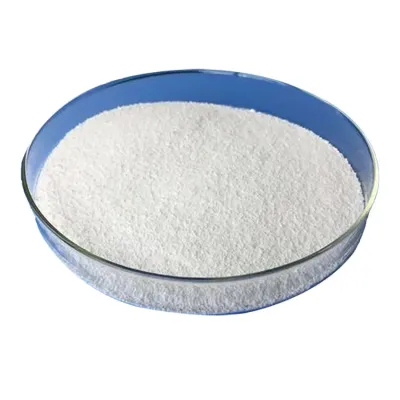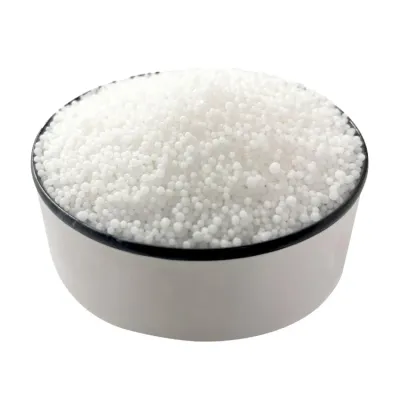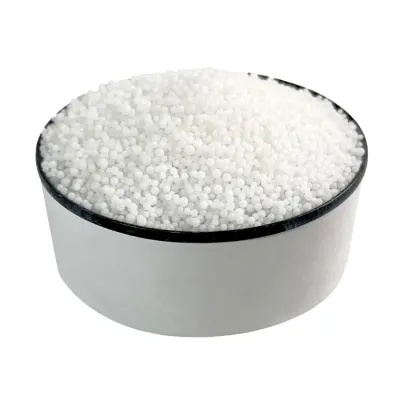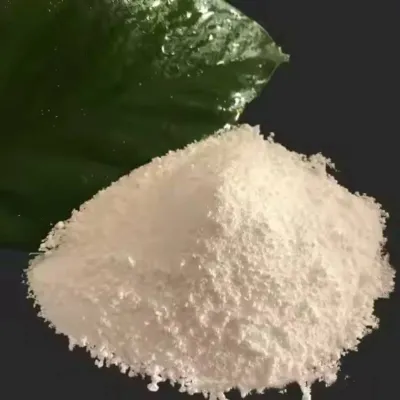
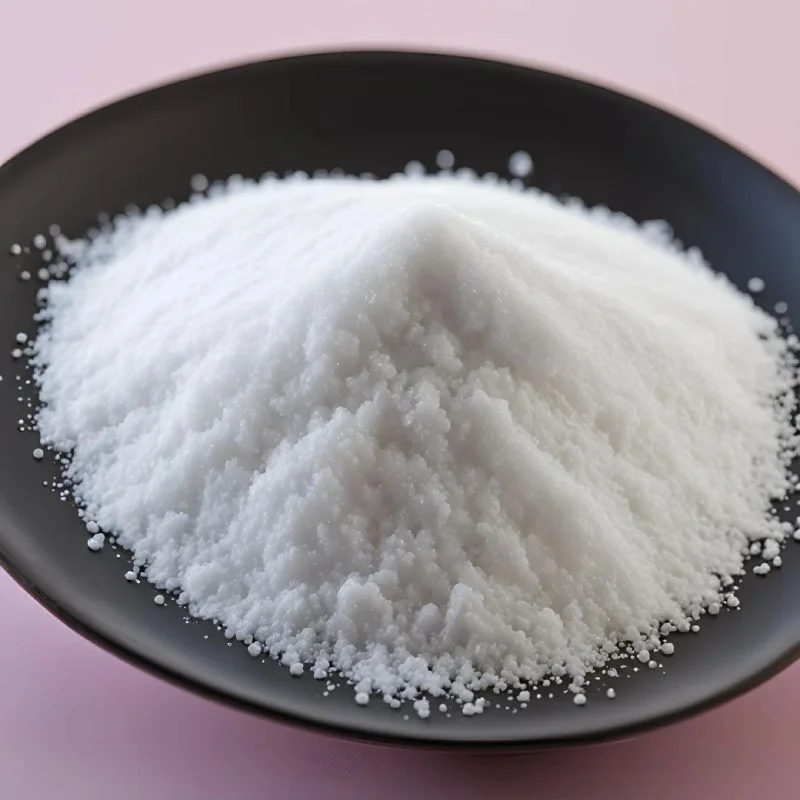
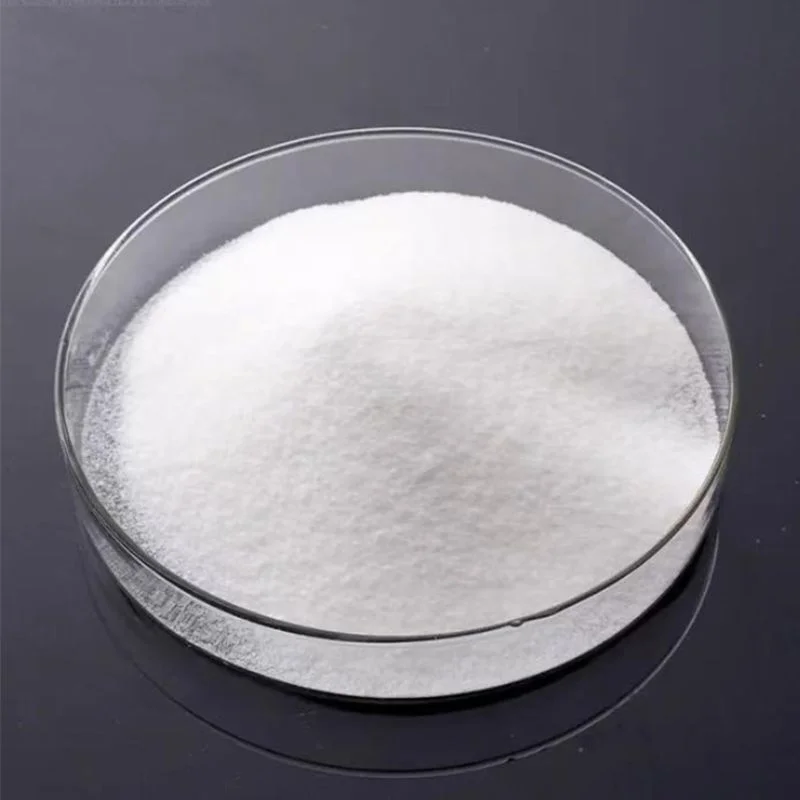
Sodium Metasilicate Pentahydrate Granules, 99% Min, for Industrial Cleaning-Additive Enquiries
-
ColorWhitePhysical formGranular
-
CAS No.10213-79-3Purity99%
-
AppearanceWhite granuleApplicationDetergent, Textile, Ceramics, Water Treatment, Met
-
ClassificationSilicateEINECS No.229-912-9
-
Grade StandardIndustrial GradeMolecular FormulaNa2SiO3*5H2O
-
Other NamesDisodium Metasilicate PentahydrateMolecular Weight212.14
-
HS CodeHS CodeSolubilityEasily Soluble in Water
-
Na2O Content28.5%-30.0%Supply Ability5000 MT per Month
-
Packaging25kg PP Bag, 1000kg Jumbo BagShelf Life24 Months
-
StorageStore in Cool, Dry and Well-Ventilated PlaceSampleAvalible
-
CertificateCOA, MSDS, TDS, ISO
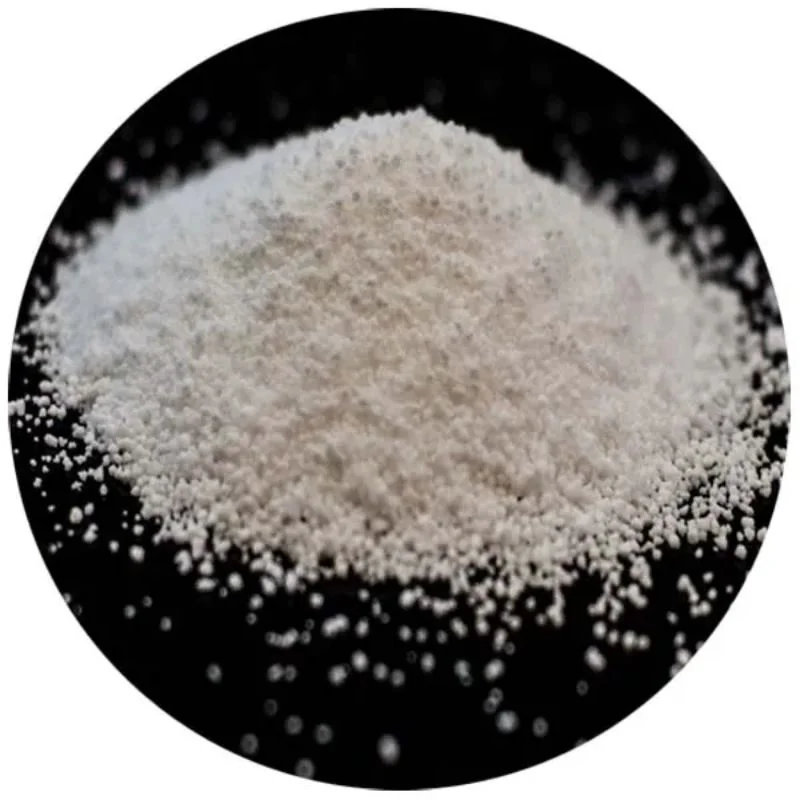
Selecting a cleaning additive requires both an ingredient specification and a trial of the complete formulation. This industrial sodium metasilicate pentahydrate is described as white granules with a 99% minimum-purity designation. The stated Na2O content is 28.5–30.0%.
Set the ingredient acceptance requirements first
Request current analysis for the actual sample and confirm the methods behind purity and sodium oxide content. The stated formula is Na2SiO3*5H2O. Keep the pentahydrate identity attached to the reports when comparing candidate ingredients for the project.
Define the cleaning trial around the real substrate
Identify the material being cleaned, the soil present and the outcome used to judge acceptance. Assess the complete formulation under the agreed procedure before drawing a conclusion. Ingredient purity alone does not establish removal efficiency, surface compatibility or the performance of a finished cleaning product.
Use solubility information with a defined procedure
The granules are reported as easily soluble in water. Ask for the physical information needed by the intended preparation method and define the concentration, mixing and assessment conditions. A solubility description does not provide a dissolution time, an operating pH or a recommended addition rate.
- Material records
- Review current identity, composition and handling documents for the sample.
- Formulation evidence
- Keep trial observations and acceptance criteria together for the actual cleaning system.
Textile, ceramics and water-treatment enquiries need separate process assessments. Include the intended use in the request so the available technical evidence can be reviewed against the correct project requirements.