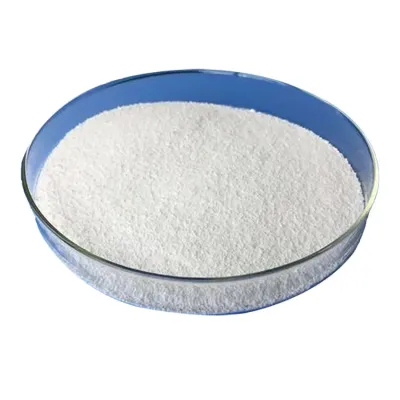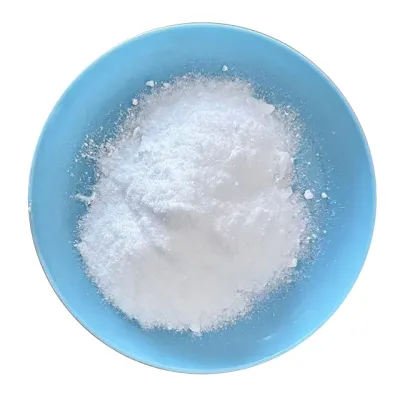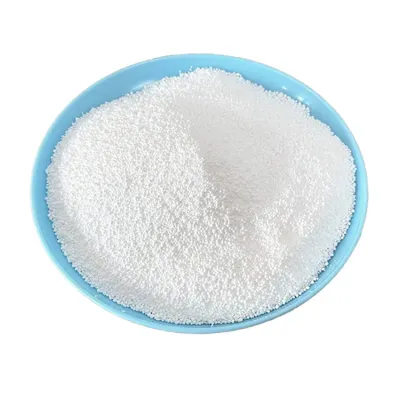
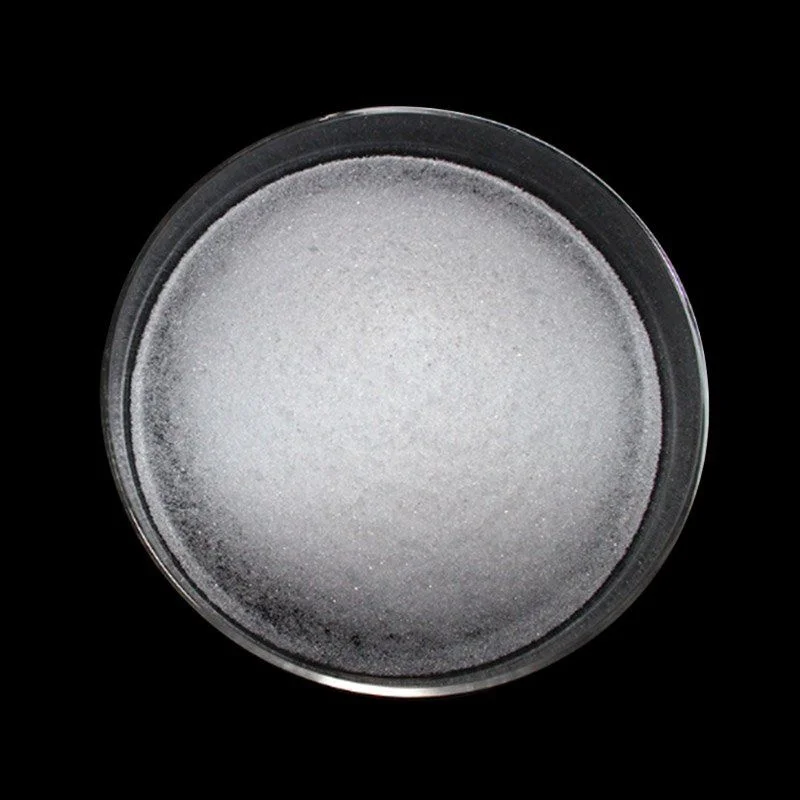
Sulfamic Acid Industrial White Crystalline Powder, 99.5% Minimum Purity for Detergent Material Trials
-
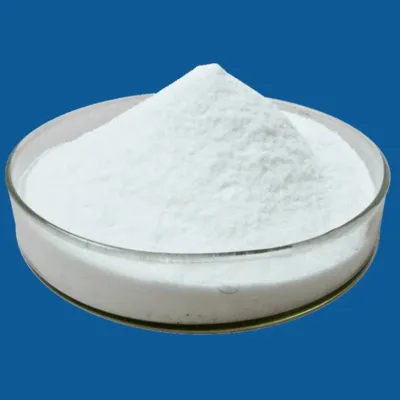
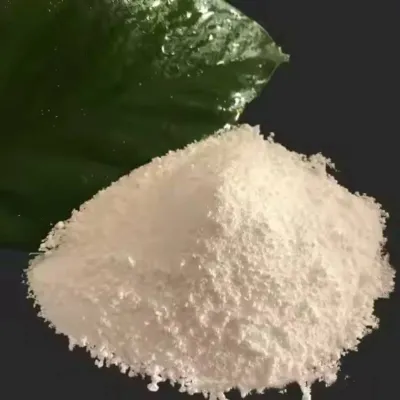
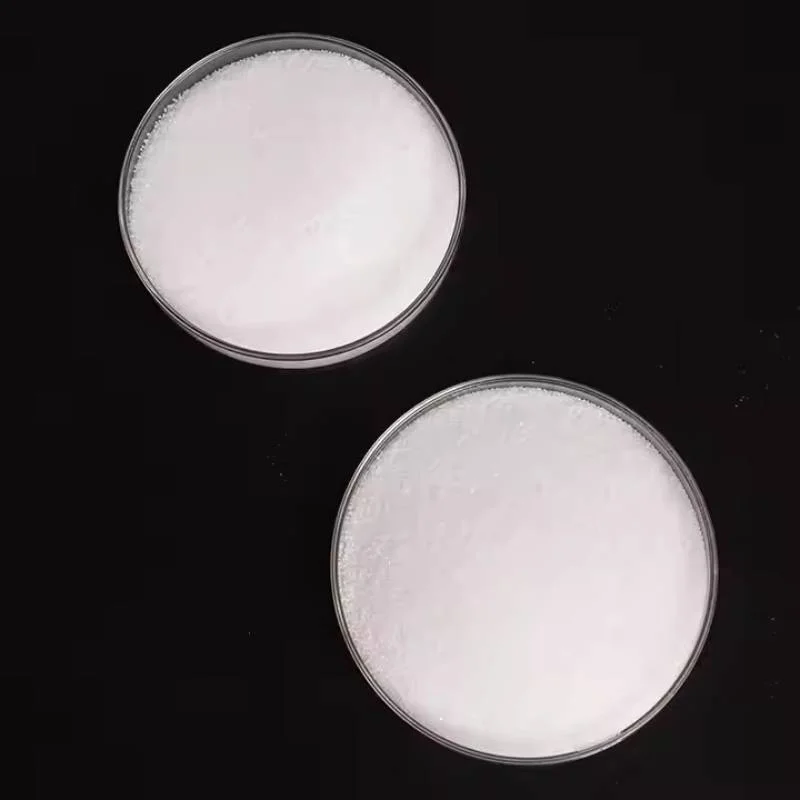
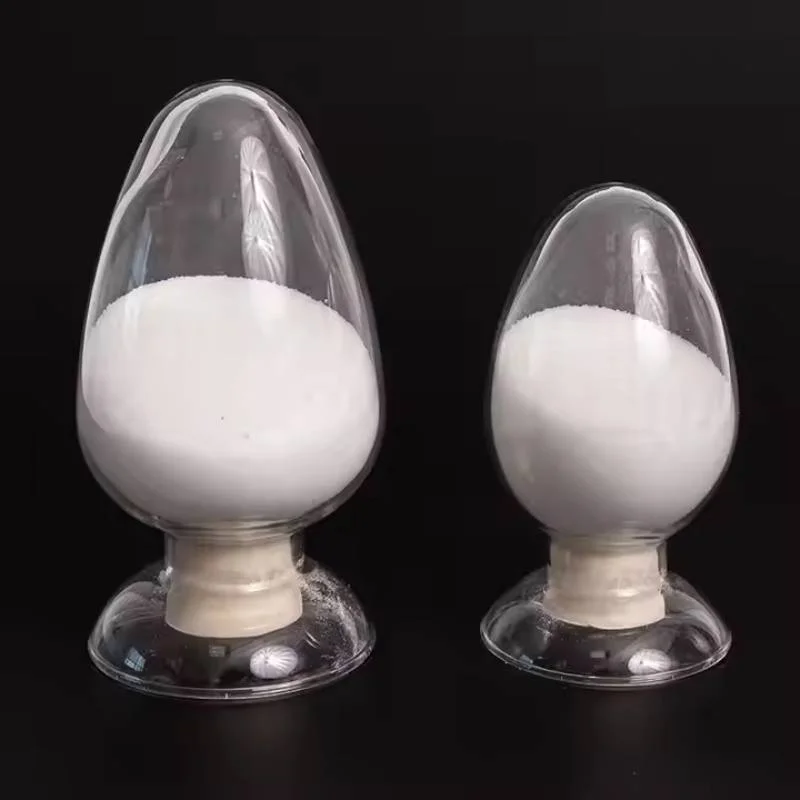
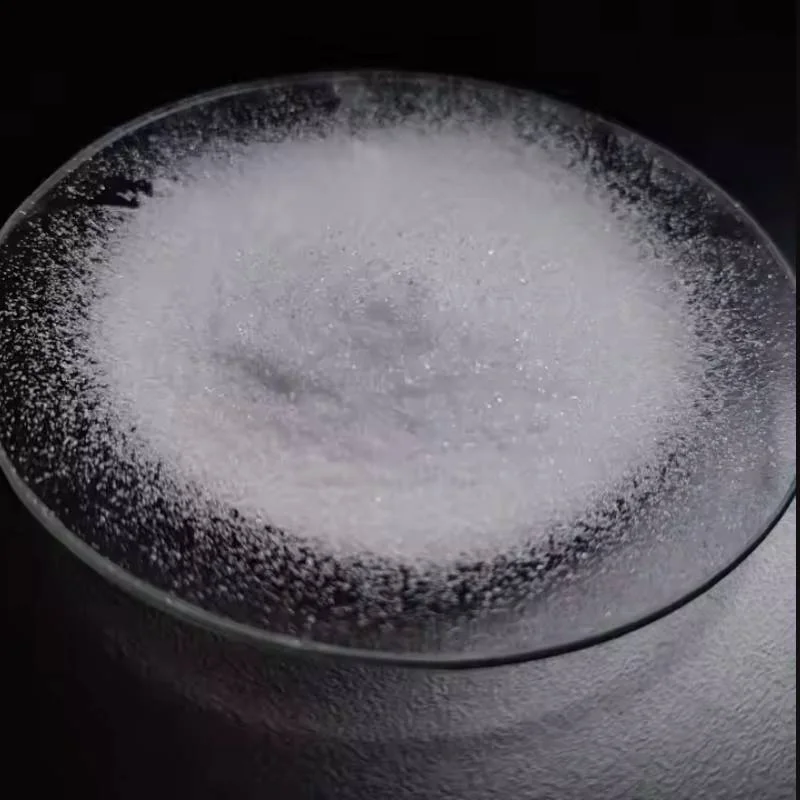
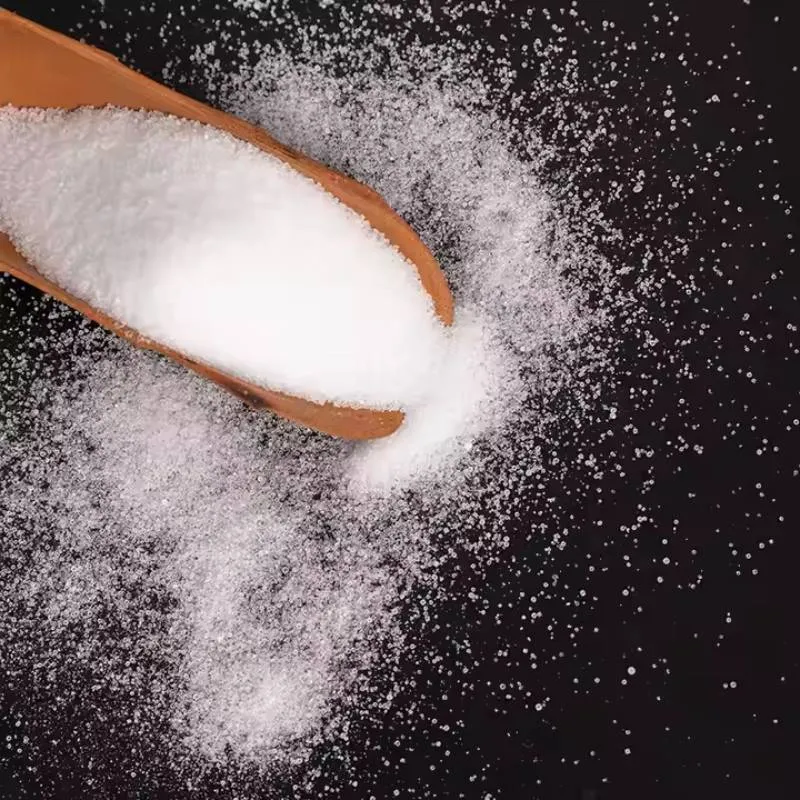
ColorWhitePhysical formCrystalline , Powder
-
CAS No.5329-14-6Purity99.5%
-
AppearanceWhite Crystal PowderApplicationDescaling, Water Treatment, Metal Cleaning, Electr
-
ClassificationSulfuric Acid, Organic AcidEINECS No.226-218-8
-
Grade StandardIndustrial GradeMolecular FormulaNH2SO3H
-
Other NamesAmidosulfonic Acid, Sulphamic AcidProduct NameSulfamic Acid
-
Molecular Weight97.09SolubilitySoluble in Water
-
Density2.13 g/cm³MOQ1 MT
-
Packaging25kg Bag, 500kg Bag, 1000kg Jumbo BagSupply Ability5000 MT per Month
-
SampleAvailableCertificateCOA, MSDS, TDS, ISO
Detergent-material enquiries should match the actual sulfamic acid grade to the proposed formulation and acceptance tests. This industrial white crystalline powder has a 99.5% minimum purity designation and the stated chemical formula NH2SO3H.
Set the detergent ingredient and grade criteria
Define the acid's intended material role and the relevant formulation and process requirements. Request current analysis, assay method and impurity limits for the offered powder rather than treating the minimum purity designation as a complete finished-detergent specification.
- Identity check
- Reconcile sulfamic acid and the amidosulfonic acid or sulphamic acid aliases with current product documents.
- Powder check
- Obtain the physical characteristics and applicable methods required by the actual formulation.
- Application check
- Agree representative process and finished-formulation acceptance tests before approval.
Assess solution behaviour in the actual formulation
The material is described as soluble in water, without a quantitative dissolution curve or an established formulation concentration. Confirm relevant conditions and methods, along with the test basis for density of 2.13 g/cm3, without assuming universal ingredient or substrate compatibility.
Connect sulfamic acid documents with the detergent trial
Use current analysis to check the minimum purity requirement, then record which actual formulation was evaluated and the acceptance criteria applied. Product-specific technical and safety documents should identify the offered acid; an ISO requirement needs its applicable certificate and scope.
Descaling, metal-cleaning and water-treatment directions do not transfer a detergent trial result to another process. Decide whether this crystalline sulfamic acid meets the proposed ingredient requirement using the confirmed grade evidence and actual formulation results, without assigning a universal cleaning outcome.