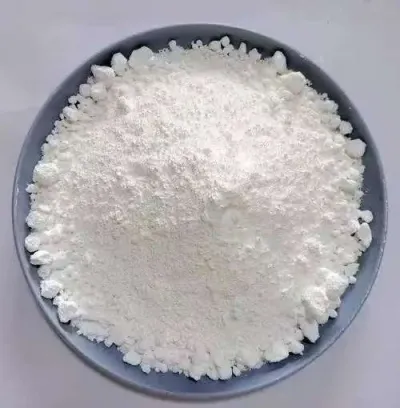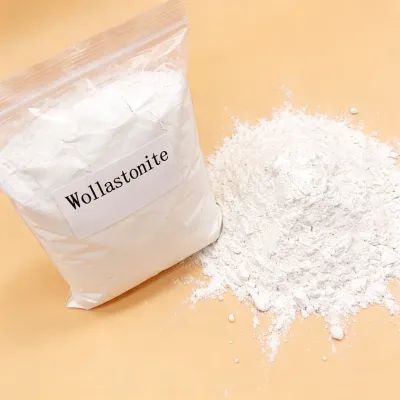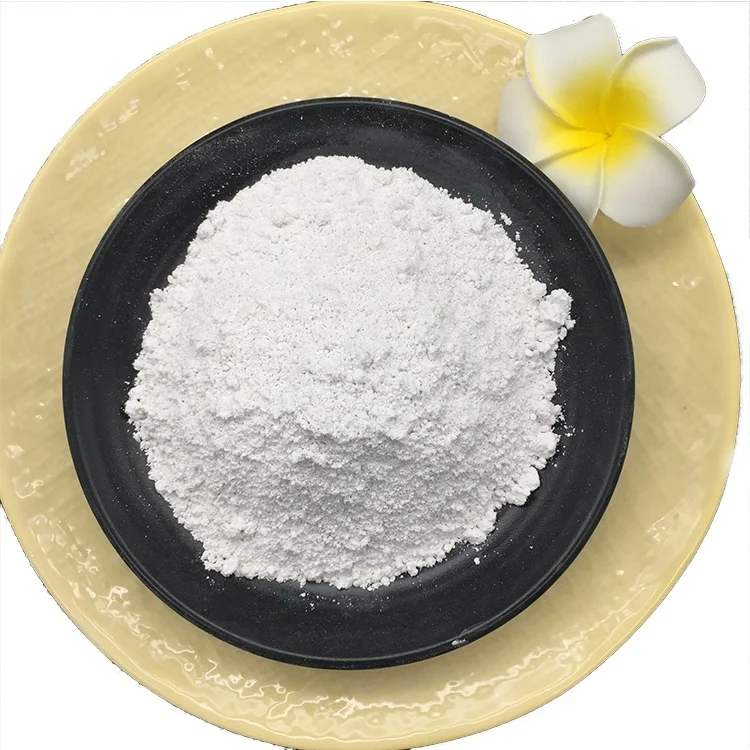
Talc Powder, 1250 Mesh and 90% Whiteness for Rubber and Plastic Formulation Trials
-
Particle-size designationMesh designationPhysical formPowder
-
UsageRubber, Plastic, etc.Mesh1250
-
D9712SiO239%
-
MgO31%Whiteness90%
A rubber or plastic formulation enquiry for this talc starts with its 1250 mesh designation and 90% whiteness. The composition entries give 39% SiO2 and 31% MgO, providing separate chemical criteria to confirm alongside the powder's measured fineness.
Make the talc size comparison meaningful
Mesh and a distribution percentile describe different aspects of a powder specification. Obtain the actual unit and measurement method for the D97 criterion before comparing this talc with a grade quoted in microns; the mesh designation alone does not supply a complete particle-size curve.
Evaluate colour and composition independently
The 90% whiteness value needs an agreed optical method and reference for a meaningful comparison. SiO2 and MgO percentages describe composition rather than a finished compound's colour, stiffness or processing result, so each criterion should be tied to the actual material acceptance specification.
- Rubber enquiry
- Identify the rubber compound, intended process and the test that will determine whether the talc is acceptable.
- Plastic enquiry
- State the resin and finished-article requirements before assessing a representative material trial.
- Powder documentation
- Request current composition, measured distribution and product-specific safety information for the grade being offered.
Let the chosen compound establish acceptance
The identified rubber and plastic directions support a focused sample comparison rather than a universal performance conclusion. Use the intended formulation and processing conditions to assess dispersion, appearance and any mechanical target that matters to the project.
Agree the 1250 mesh grade, optical test and composition limits together, then qualify the proposed talc through the relevant compound trial before making a material substitution.