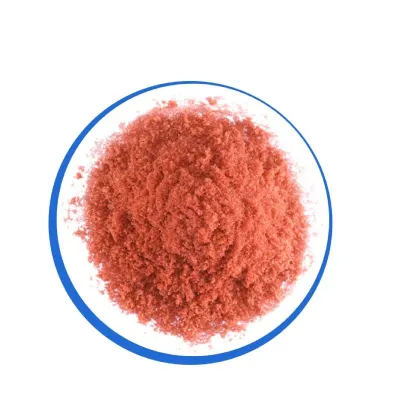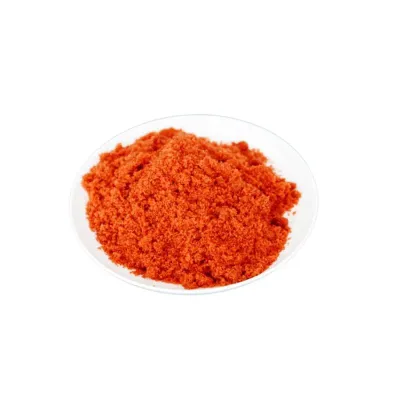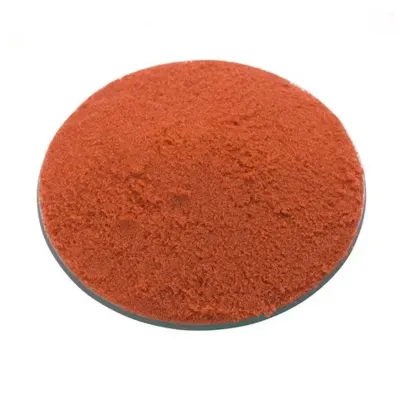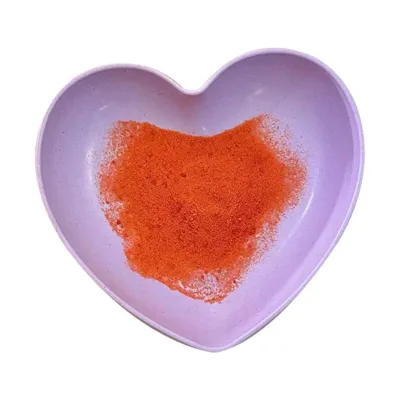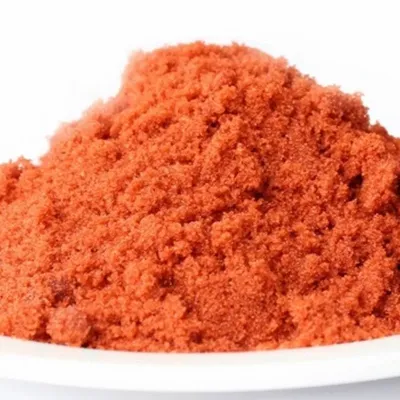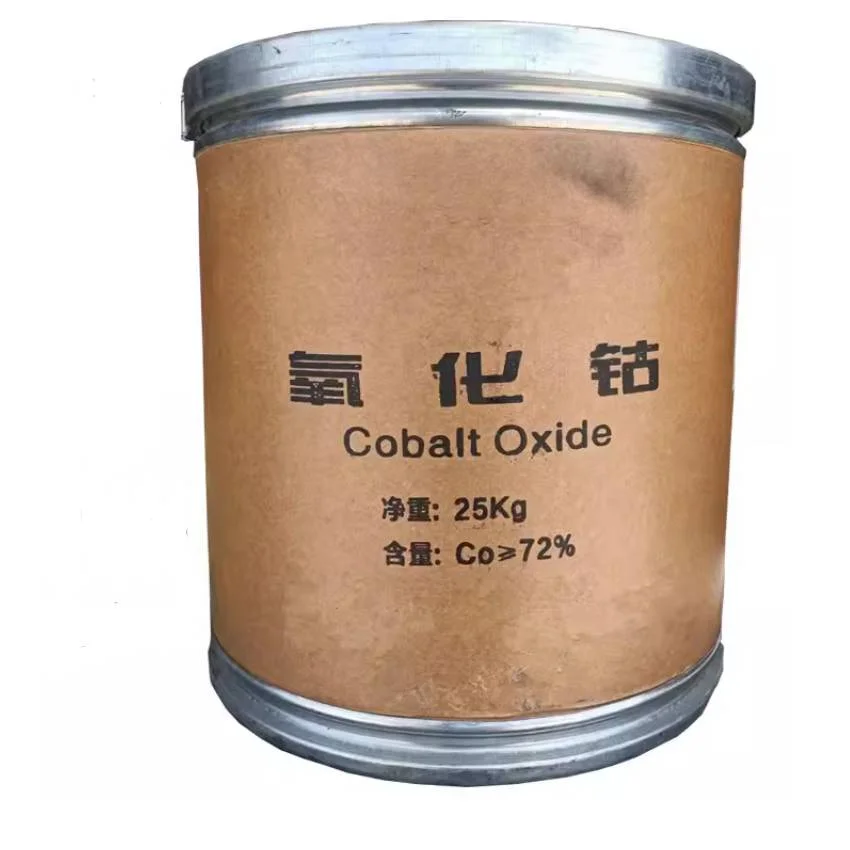
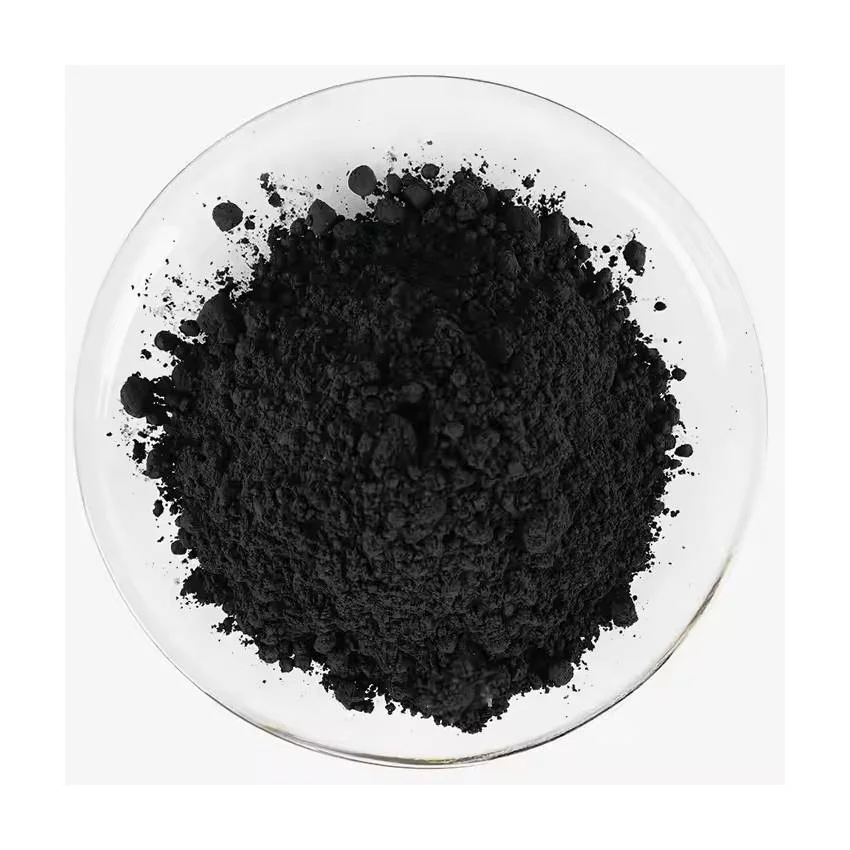
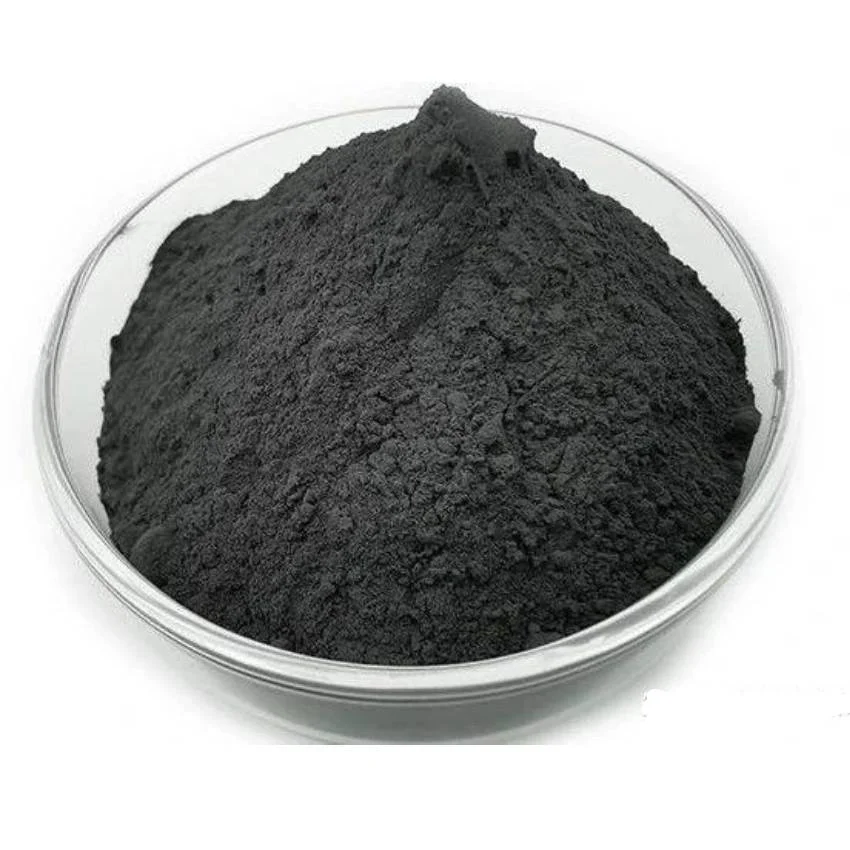
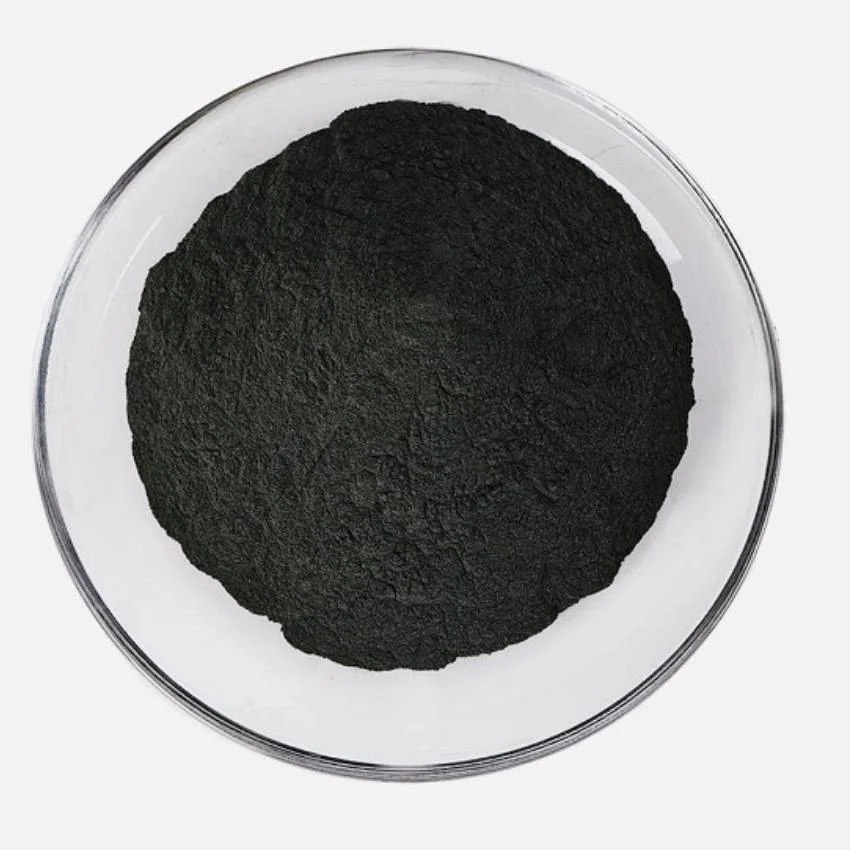
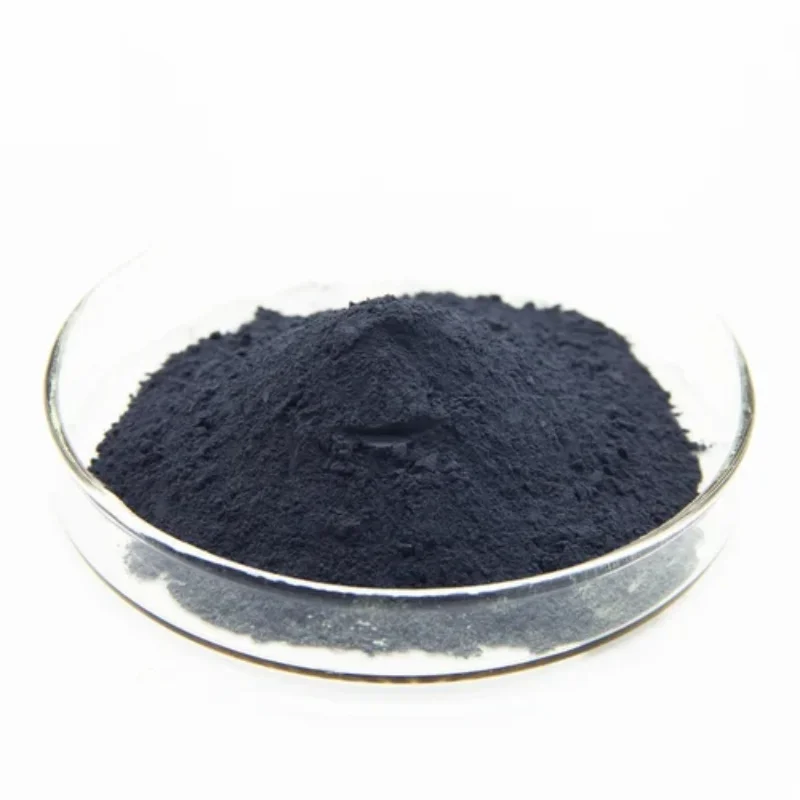
TY-Cobalt Oxide Industrial Black Powder for Composition and Application Grade Confirmation
-
ColorBlackPhysical formPowder
-
CAS No.1307-96-6Purity99%
-
AppearanceBlack PowderApplicationLithium Battery Materials, Ceramic Pigments, Glass
-
ClassificationCobalt OxideEINECS No.215-154-6
-
Grade StandardIndustrial GradeMolecular FormulaCoO
-
Other NamesCobalt Monoxide / Cobalt TetroxideOxide TypeMetal Oxides
-
Molecular Weight74.93SolubilityInsoluble in Water
-
Density6.44 g/cm³MOQ1 MT
-
Packaging25kg Bag, 500kg Bag, 1000kg Jumbo BagSupply Ability500 MT per Month
-
SampleAvailableCertificateISO, COA, MSDS
TY-Cobalt Oxide is an industrial black-powder model reference within the cobalt-oxide family. Confirm the actual oxide phase and composition before using a chemical assay or physical descriptor to select the offered material for an application trial.
Establish the actual chemical grade and analysis basis
Request matched current technical, analysis and safety documents identifying the phase being offered. The CoO formula entry and broader monoxide/tetroxide naming require reconciliation; the family description does not resolve which phase-dependent assay or physical values apply.
- Identity confirmation
- Match the actual oxide phase, composition and identifiers to the offered product.
- Grade confirmation
- Obtain a defined assay basis, relevant impurity limits and applicable analytical methods.
- Physical confirmation
- Request the actual powder criteria and methods required by the intended material process.
Define the proposed application before assigning performance
Lithium-battery materials, ceramic pigments and glass are identified enquiry directions requiring their actual ingredient roles and acceptance tests. Neither a black appearance nor a cobalt-oxide name establishes electrochemical, colour or finished-glass performance without representative evidence.
Check current documents for the confirmed offered material
Clarify the applicable physical and solubility descriptions after the oxide identity is established. Obtain current analysis and safety information and any required actual ISO certificate with its scope rather than treating a document list as verified qualification.
For this industrial grade enquiry, base the comparison on the confirmed chemical identity and measured material criteria. The representative process and finished-material results relevant to the actual role should determine whether the offered oxide is accepted.