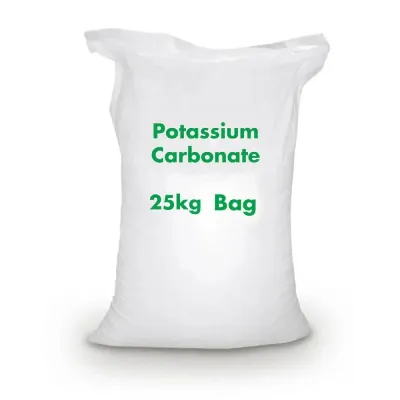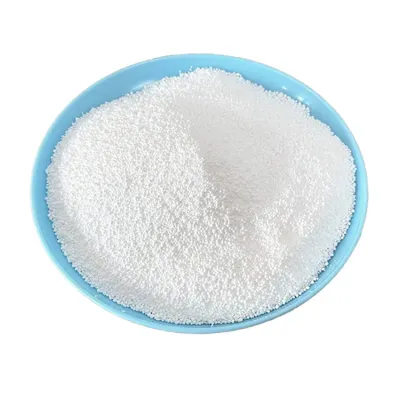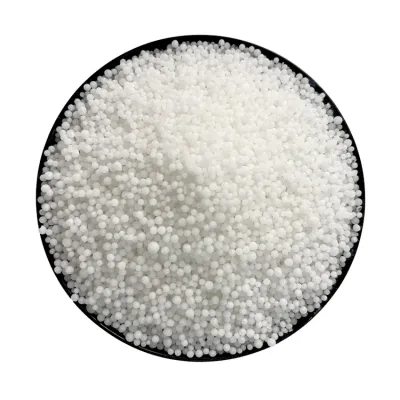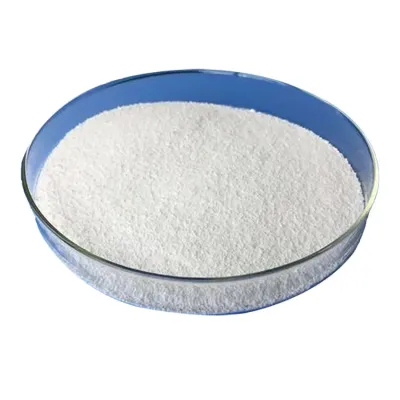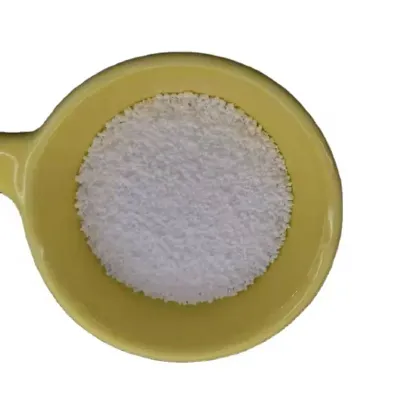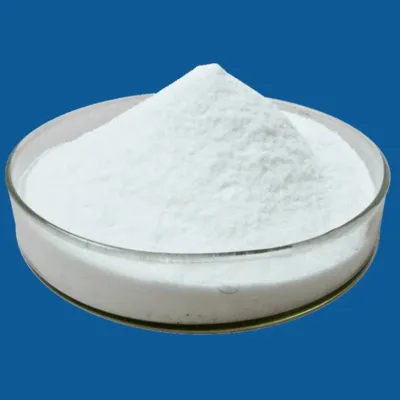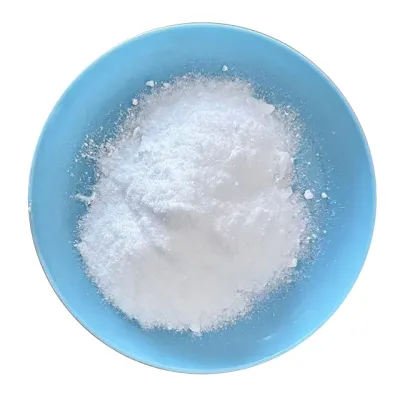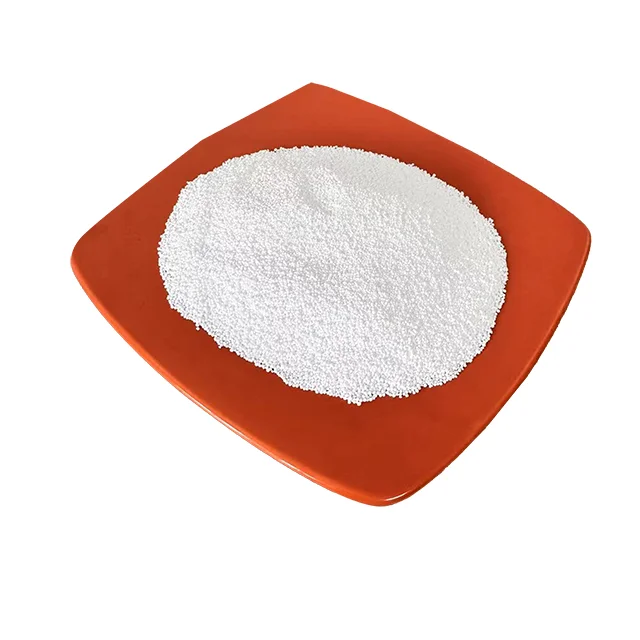
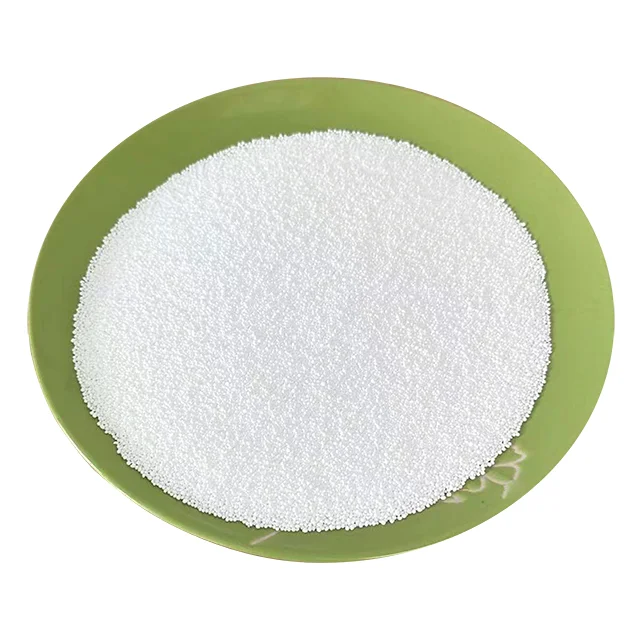
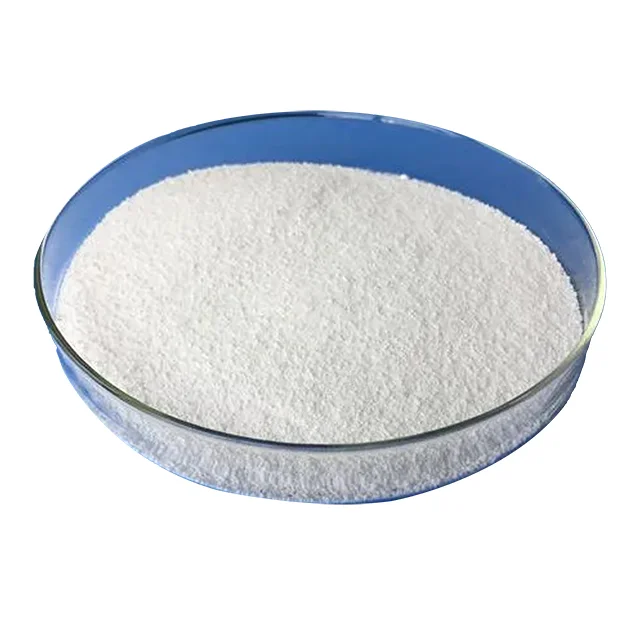
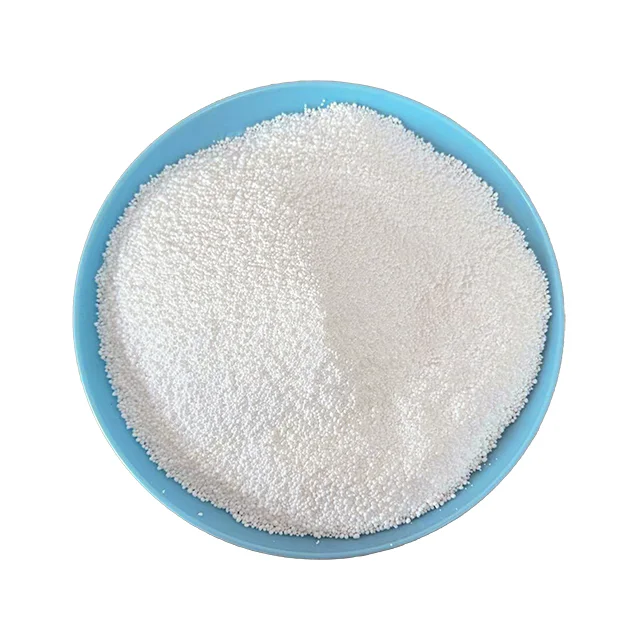
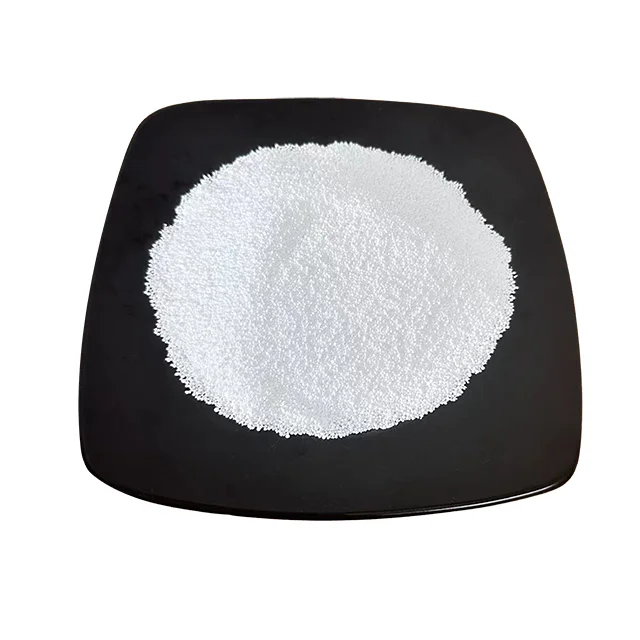
TY-K2CO3 Industrial Potassium Carbonate K2CO3 White Powder for Glass, Fertilizer and Detergent
-
ColorWhitePhysical formPowder
-
CAS No.584-08-7Purity99%
-
AppearanceWhite powderApplicationGlass Manufacturing, Fertilizer, Detergent, Food A
-
ClassificationCarbonateEINECS No.209-529-3
-
Grade StandardIndustrial GradeMolecular FormulaK2CO3
-
Other NamesPotash CarbonateTypePotassium Carbonate, Potassium Carbonate
-
Molecular Weight138.21Density2.43 g/cm³
-
SolubilityEasily Soluble in WaterpH ValueStrongly Alkaline
-
MOQ1 MTPackaging25kg Bag, 1000kg Jumbo Bag
-
Supply Ability5000 MT per MonthSampleAvailable
-
CertificateISO, COA, MSDS, Halal, Kosher (Food Grade)
TY-K2CO3 identifies the actual model for this industrial potassium carbonate powder. The material is white K2CO3 with stated purity of 99% and density of 2.43 g/cm³. Glass manufacturing, fertilizer and detergent are the identified evaluation contexts.
Match the potassium carbonate assay to the process brief
Request current composition analysis for the sample and identify the constituent limits that matter to the project. A 99% assay does not describe every remaining constituent. Glass, fertilizer and detergent enquiries should each define the composition requirements relevant to their own system.
Read the solution descriptions as qualitative properties
For the glass, fertilizer or detergent assessment, the material is reported as readily water-soluble and strongly alkaline, without numerical test results. Obtain the concentration, temperature and measurement basis required by that project. A numerical pH, dissolution rate and process-solution preparation instruction still require their own evidence.
Request the physical data needed for the actual trial
Ask for particle and moisture information if those properties affect the intended process. Review the stated density with its measurement method rather than assuming it describes bulk handling. Keep the current technical reports associated with the exact TY-K2CO3 sample.
Evaluate industrial use against project-specific results
Describe the formulation or manufacturing process and agree the acceptance tests before beginning the comparison. Review the controlled trial and its finished-material results before selection. Specialised grade claims require their own applicable documents; industrial identity and purity alone do not establish food-use qualification or a guaranteed process outcome.