White Natural Barite Ore Lumps, 96% Barium Sulfate Mineral for Paint, Coating, Plastic and Rubber Filler Processing
-
ColorWhitePhysical formLumps
-
CaO Content (%)0.2Dimensions10 mm, 20 mm, 40 mm
-
Fe2O3 Content (%)0.2MgO Content (%)0.3
-
Moisture Content (%)0.2SiO2 Content (%)1
-
ApplicationPaintBaO Content (%)0.5
-
BaSO4 Content (%)96Largest Crystal40 mm
-
Na2O Content (%)0.1TypeBarite Lump
-
Weight25 kg(55.12lb)ColorPure White
-
AppearanceWhite StoneProduct nameBarite ore
-
Chemical FormulaBaSO4HS Code25111000
-
CAS13462-86-7SampleYes
-
MOQ24TONSWhiteness70-99%
-
UsageCoating/Plastic/Paint/Rubber/etc
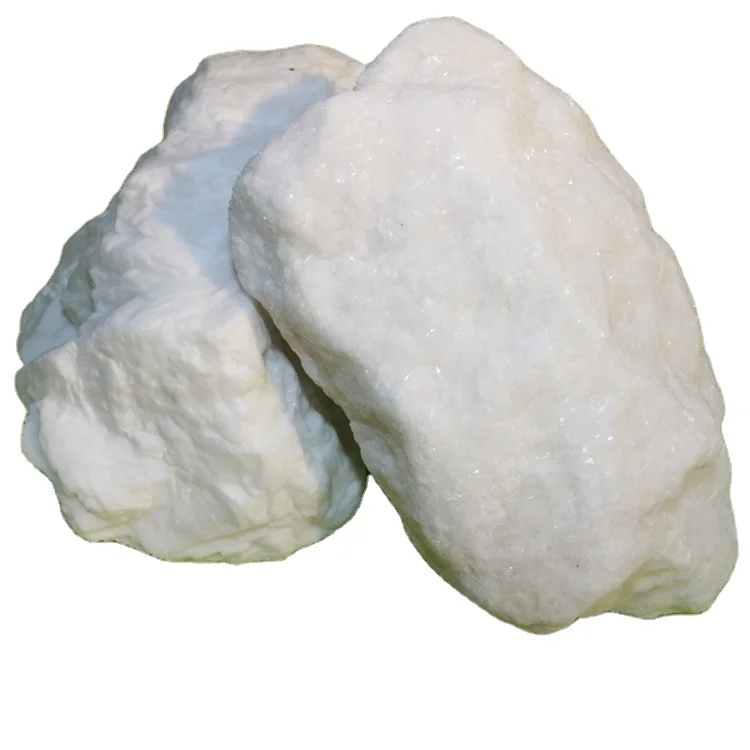
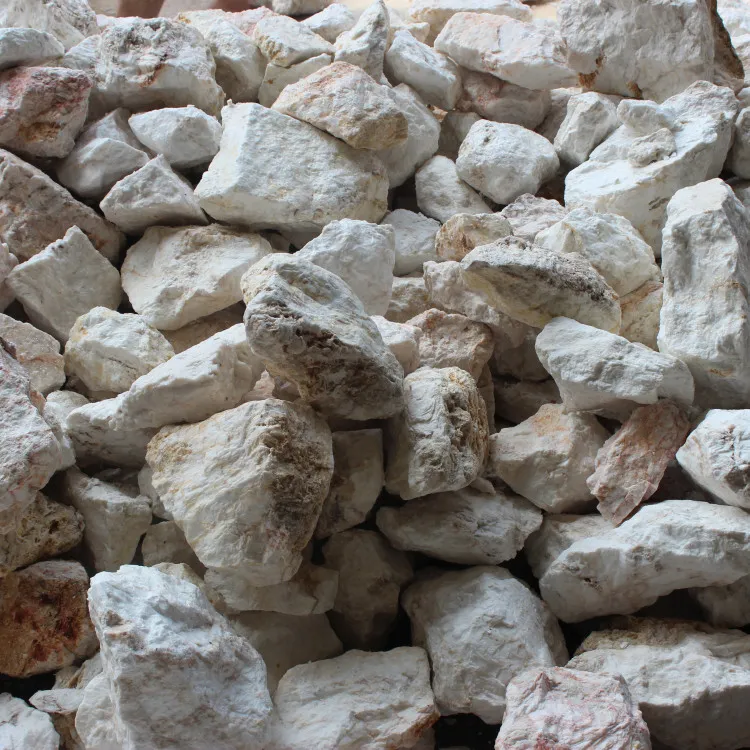
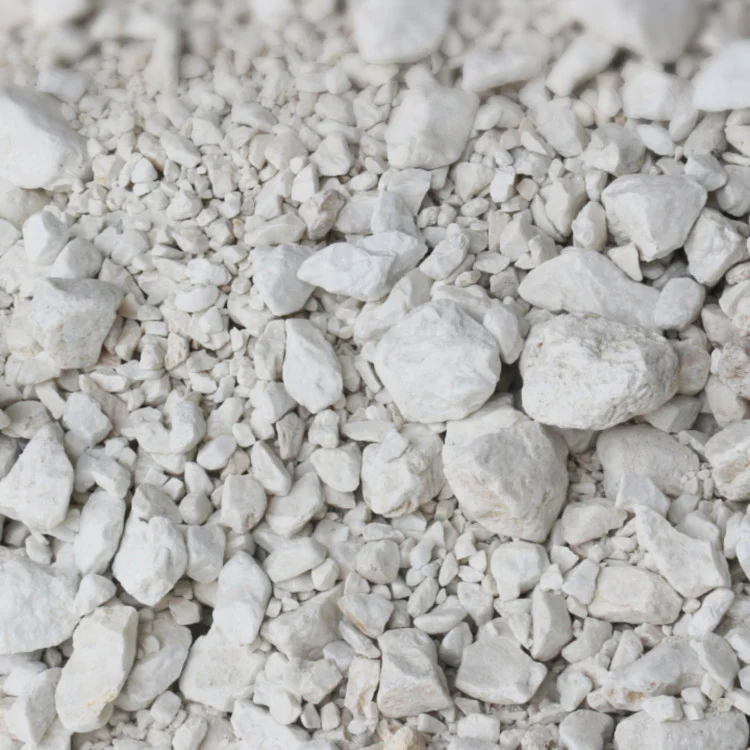
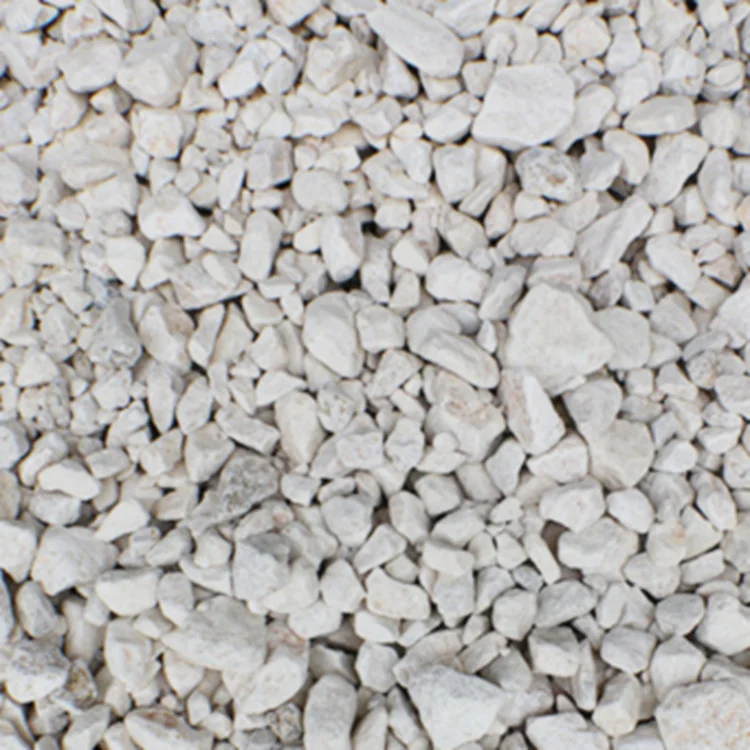
This natural barite is supplied as white ore lumps rather than ready-dispersed filler powder. With 96% BaSO4 content, dimensions of 10, 20 and 40 mm and three whiteness selections, the mineral is a candidate feed material for a buyer who will define the subsequent processing and application requirements.
Ore dimensions before filler fineness
The 10, 20 and 40 mm dimensions describe barite lumps, with a largest-crystal value of 40 mm. A paint or coating buyer requiring a fine filler should establish the grinding and classification specification separately; the lump dimensions do not describe a finished powder particle-size distribution.
Choose among three whiteness bands
The available barite options are 70–79%, 80–89% and 90–99% whiteness. These are separate selections within a broad overall range, so specify the required band rather than assuming every lump selection has the highest whiteness value.
- For colour-sensitive development
- Compare the chosen whiteness band using an agreed measurement method and a representative barite sample.
- For mineral composition screening
- Use the 96% BaSO4 content together with the oxide and moisture criteria in the parameter table.
Plan the route from barite to compound
Paint, coatings, plastics and rubber are the identified application directions for this ore. Before approving a processed filler, establish which party performs milling, which final size distribution is required and what application tests will determine acceptance; the ore composition alone does not establish finished-formulation performance.
Samples are identified as available for this barite, making a representative test portion a useful first step when comparing the three whiteness bands and planning a powder specification from lump mineral feed.