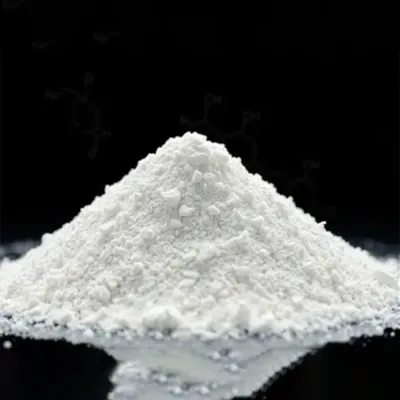
-
Physical formMasterbatch
-
Model NumberXM-102
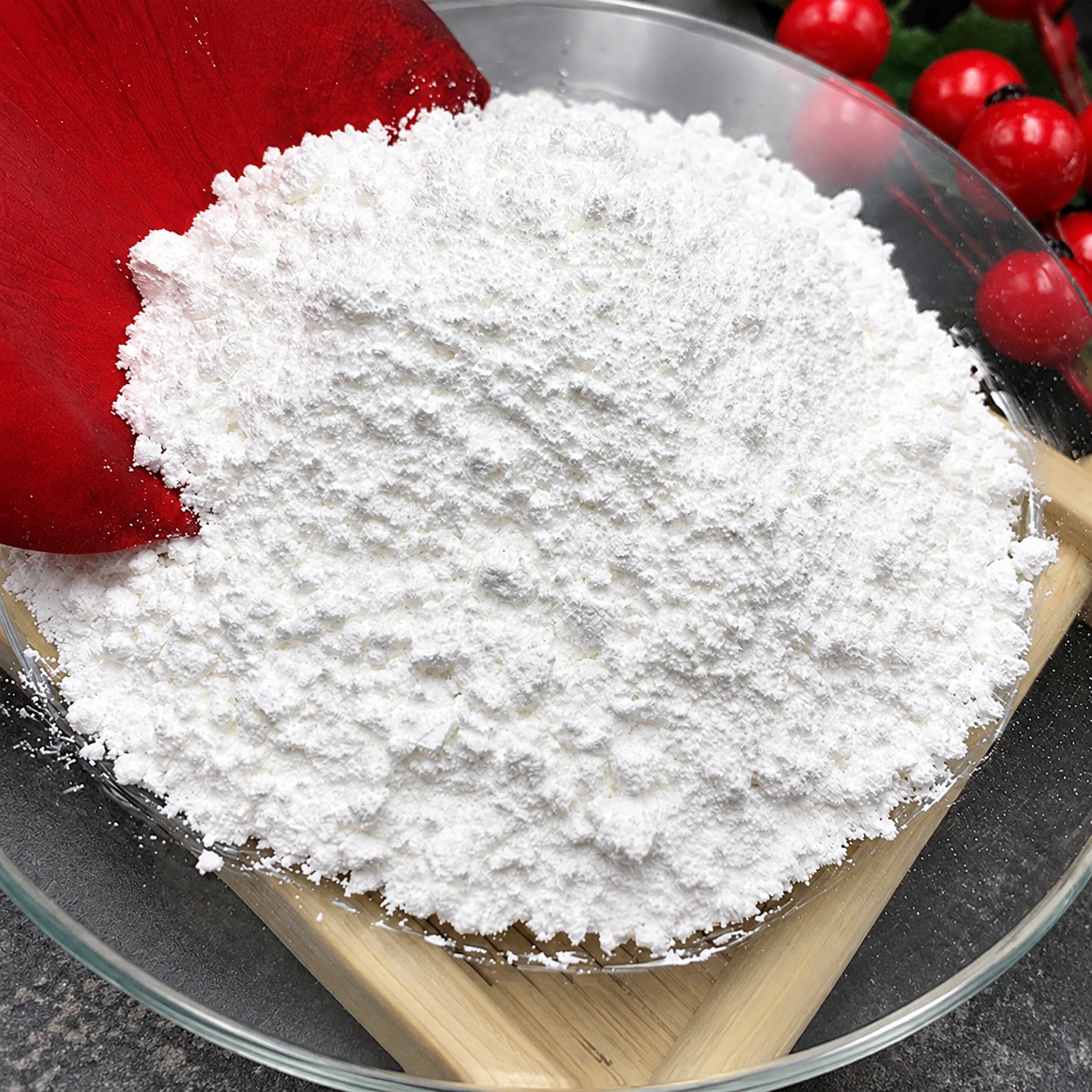
Before comparing a film filler, decide what a successful film trial must demonstrate. XM-102 identifies a precipitated barium sulfate material for blown-film masterbatch evaluation, where optical acceptance and processing behaviour need to be tested in the actual formulation rather than inferred from fine-particle wording.
Set the XM-102 film question first
Identify the receiving polymer and the measurements that will decide whether the trial film is acceptable. A high-transparency direction gives the enquiry a purpose, but it does not establish a haze value, transmission result or approved formulation level for XM-102.
Confirm what enters the formulation
Request the supplied form, composition and any treatment specification for the offered material. These answers should precede assumptions about carrier compatibility or dispersion, because the masterbatch application alone does not define the complete material being delivered.
- Use XM-102 as the reference in the technical enquiry.
- Agree the film polymer and the relevant optical and processing tests.
- Obtain measured particle and treatment information before planning the comparison.
Assess fine-particle claims with a method
A nano or ultrafine designation needs a measured distribution and a clear test basis before it becomes a purchasing specification. Evaluate XM-102 in the intended film conditions and interpret the optical result alongside the confirmed material characteristics.
That leaves the XM-102 decision with a clear endpoint: a defined material, a specific film brief and a trial that answers it. The result can then support a formulation choice without an assumed transparency or universal dispersion guarantee.