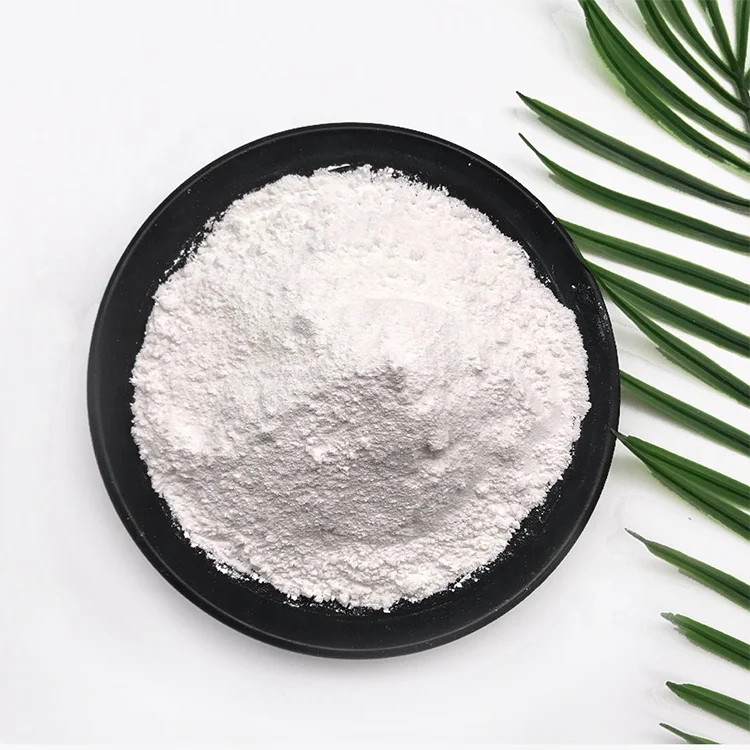
XM-385 Natural Barium Sulphate BaSO4 Powder for Coating, Plastic and Shielding-Material Enquiries
-
ColorWhitePhysical formPowder
-
CAS No.13462-86-7Purity97%
-
Appearancewhite powderApplicationplastic,coating,print,battery
-
ClassificationSulphateGrade StandardIndustrial Grade
-
Molecular FormulaBaSO4TypeBarium Sulfate
-
Model NumberXM-385PH7±0.5
-
Whiteness93fineness2000
-
oil absorption12-14certificationISO
-
spcifigravity4.3
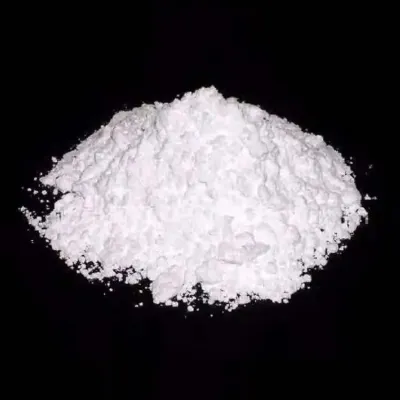
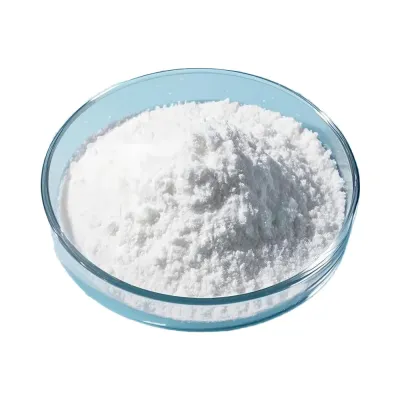
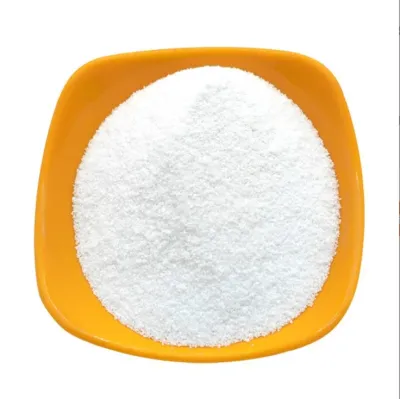
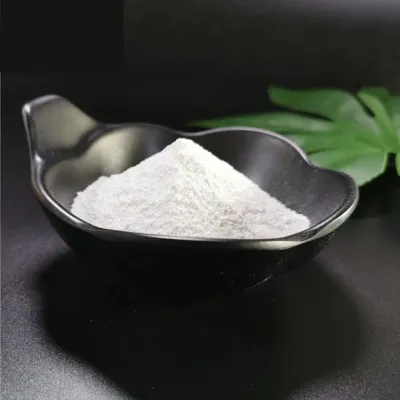
XM-385 is a natural industrial barium sulphate powder with white appearance and stated purity of 97%. Its pH is 7±0.5 and stated specific gravity is 4.3. The enquiry should identify the intended application before these material values are compared with project requirements.
Define the coating, plastic or printing system
Provide the formulation and the processing and finished-material properties to be measured. Ask for current composition analysis and the particle report for the sample. Chemical identity and purity alone do not establish how the powder will perform after formulation.
Request the methods behind optical and fineness data
Obtain the complete particle distribution with units and measurement procedure. Define the whiteness reference and request the oil-absorption units if that property affects selection. Keep sample conditioning and comparison methods consistent across the candidate materials.
Treat a shielding enquiry as a finished-system question
A shielding project needs the actual material system, radiation conditions and relevant acceptance criteria to be specified. Request appropriate finished-system evidence before making a performance decision. Neither this powder's identity nor its specific gravity provides an attenuation guarantee or a basis for selecting a construction thickness.
Confirm any specialised application separately
A battery-related enquiry should name the component, chemistry and required qualification tests. Request the relevant analytical reports for any trace-element limits and applicable documentation. Review the actual sample and intended-system results before acceptance, keeping all reports connected to the material that was tested.