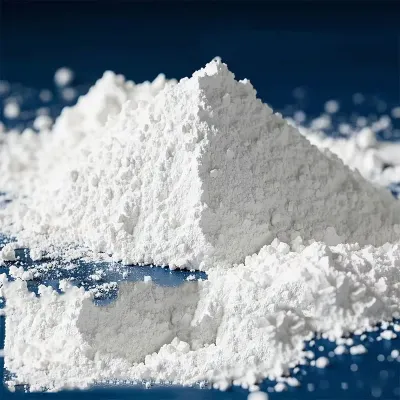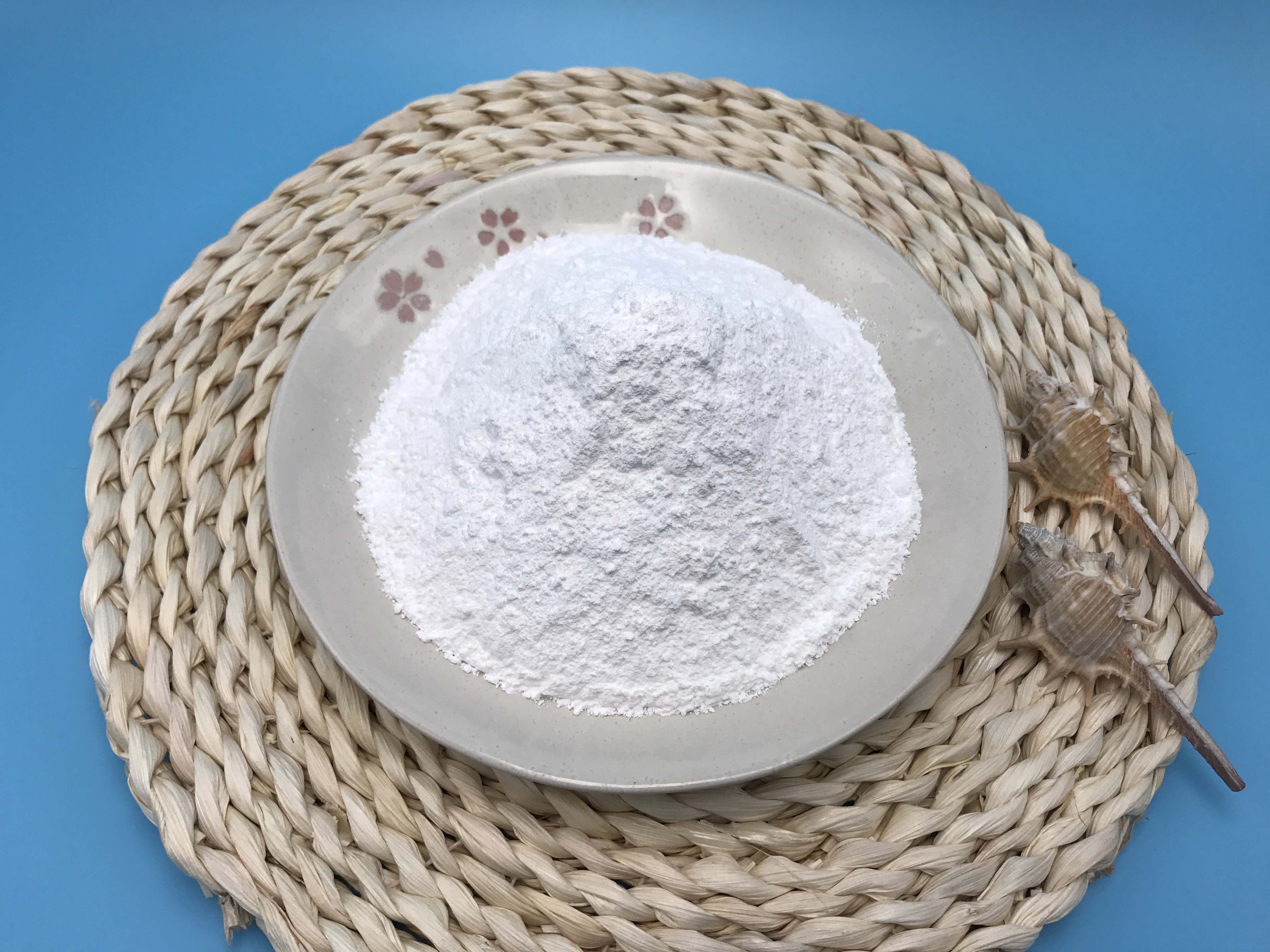
XM-A001 Anatase Titanium Dioxide for Plastic Durability Evaluation, 96–98.5% TiO2
-
ColorWhitePhysical formPowder
-
CAS No.13462-67-7Purity96%~98.5%
-
Model NumberXM-A001Appearancewhite Powder
-
Applicationplastic coating paint printing inkClassificationTitanium Dioxide
-
Grade StandardIndustrial GradeMolecular FormulaTiO2
-
Other Namestio2CertificationISO9001
-
HS code3206111000Package25kg/bag
-
PH Value6.5-8.5TiO2 Content96~98.5%
-
Oil Absorption21~26Residue on sieve 45 μm %0.03~0.05
-
Matter volatile at 105°C %0.3~0.5Tinting strength %95~109
-
SampleFreely Provided
A long-term plastic-property target needs a defined polymer and test before a pigment can be selected. XM-A001 industrial titanium dioxide is a white powder with an anatase designation and stated TiO2 content of 96–98.5%, offered as a candidate for application-specific evaluation.
Set the plastic durability question for XM-A001
Identify the receiving polymer, relevant application conditions and the result the durability assessment must demonstrate. Evaluate XM-A001 through that specific formulation rather than assuming the pigment guarantees longevity. Keep the required optical and processing criteria in the same material brief.
Confirm the offered phase and treatment
Request documents for the anatase XM-A001 grade and any surface treatment that applies to the sample. The phase and model identify a candidate, but they do not establish its finished-polymer performance. Match the complete pigment specification with your composition and impurity requirements.
Use the quantitative tests as screening evidence
XM-A001 has stated residue of 0.03–0.05% on a 45 μm sieve, volatile matter of 0.3–0.5% at 105°C and pH 6.5–8.5. Review the relevant methods when comparing those values with another pigment. Oil absorption also needs its units, and tinting strength needs a reference before either can support a technical comparison.
For XM-A001, the useful next step is a documented grade assessment connected to the actual polymer durability test. Paints, coatings and printing inks are additional directions requiring their own evidence. No finished-part improvement should be concluded from the anatase name or the TiO2 percentage alone.