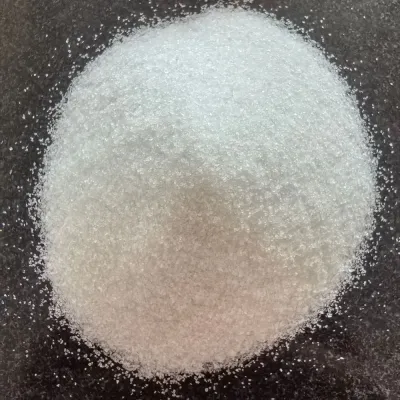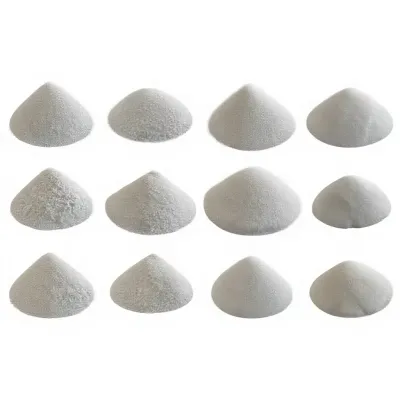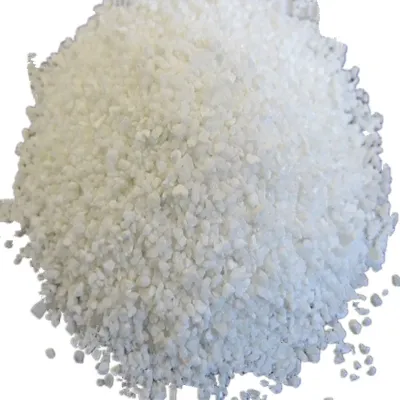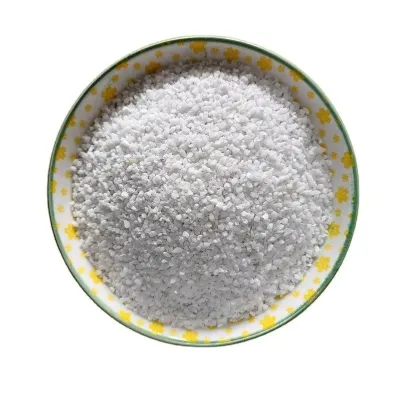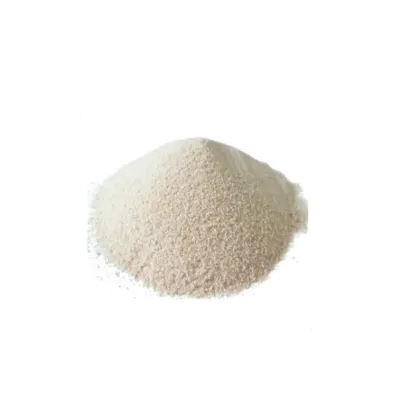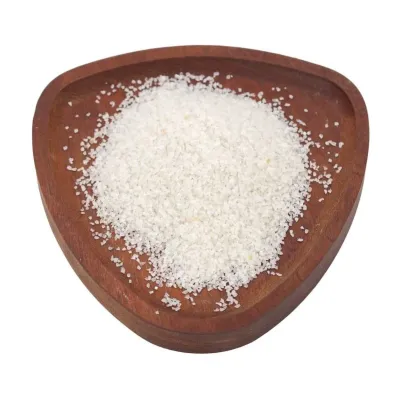
XM-A001 Anatase Titanium Dioxide Powder for Ceramic-Process Qualification, 96–98.5% Industrial Grade
-
ColorWhitePhysical formPowder
-
CAS No.13462-67-7Purity96%~98.5%
-
Model NumberXM-A001Appearancewhite Powder
-
Applicationplastic coating paint printing inkClassificationTitanium Dioxide
-
Grade StandardIndustrial GradeMolecular FormulaTiO2
-
Other Namestio2CertificationISO9001
-
HS code3206111000Package25kg/bag
-
PH Value6.5-8.5TiO2 Content96~98.5%
-
Oil Absorption21~26Residue on sieve 45 μm %0.03~0.05
-
Matter volatile at 105°C %0.3~0.5Tinting strength %95~109
-
SampleFreely Provided
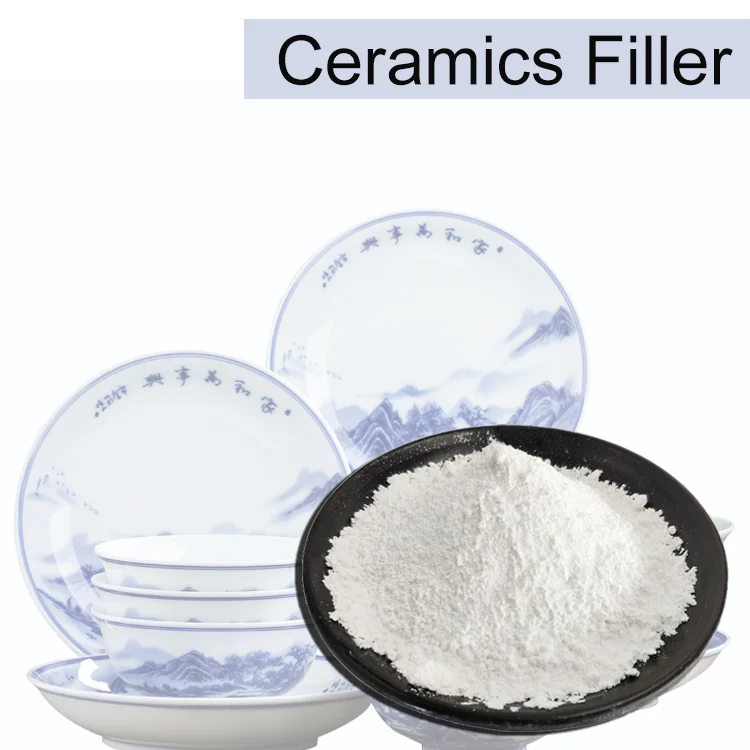
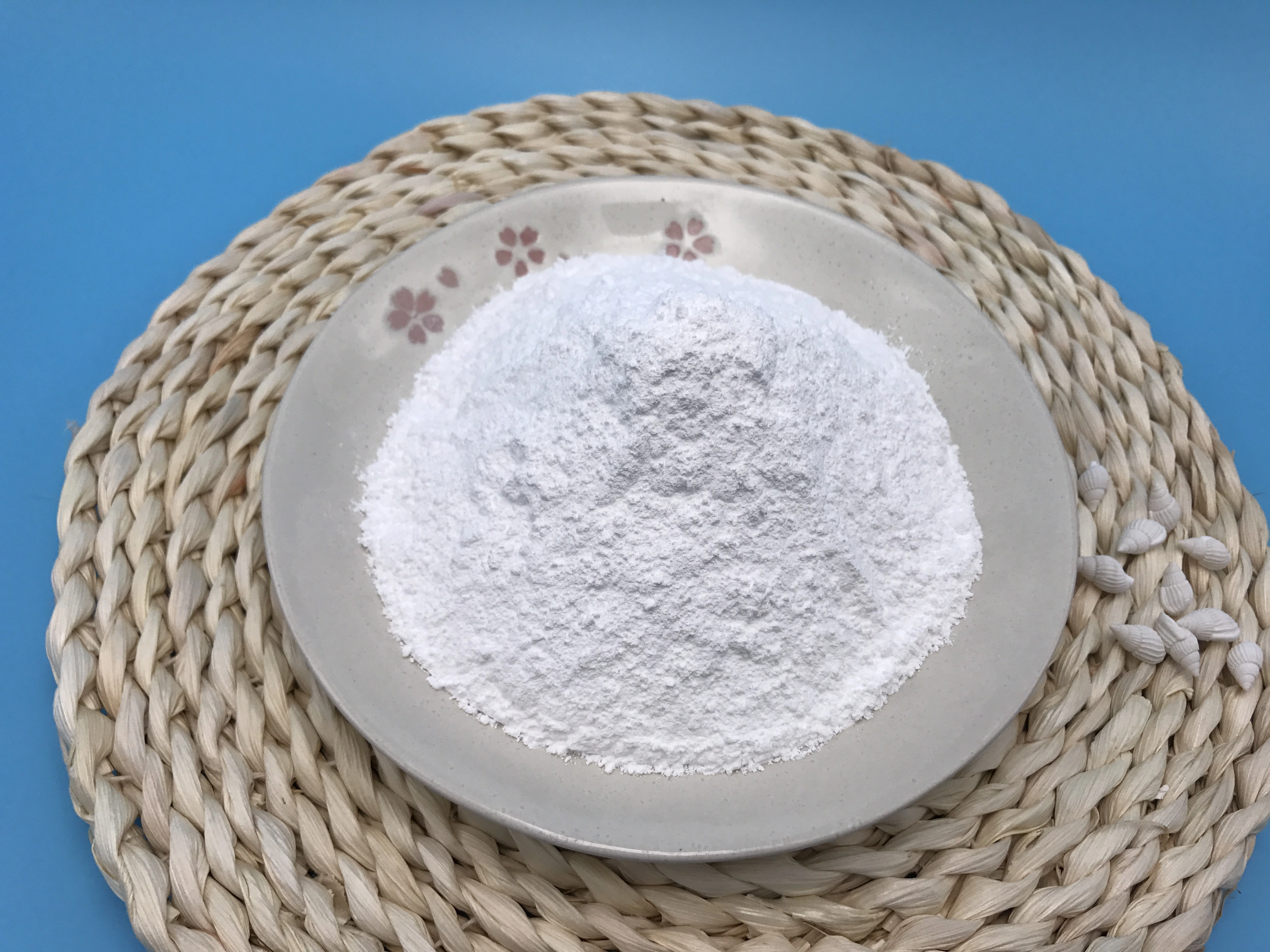
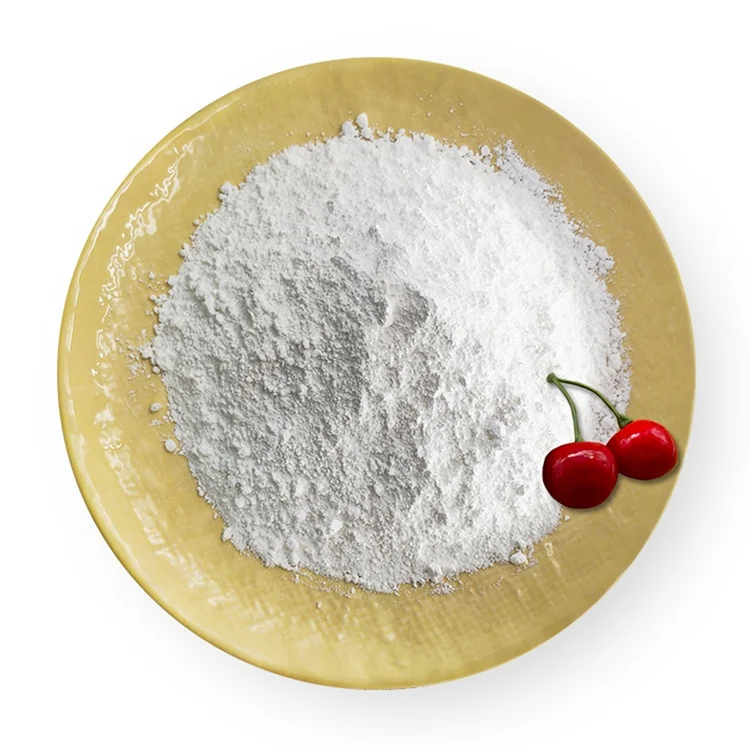
A ceramic-production question needs evidence for the actual process, even when the material is a familiar oxide. XM-A001 is an industrial anatase titanium dioxide white powder with 96–98.5% TiO2 content, providing a defined identity for a ceramic-material enquiry.
Identify XM-A001 for the ceramic brief
State the intended ceramic application and the composition requirements that determine whether the powder can be considered. The anatase name and model identify the material, but they do not establish a firing result or a superior finished ceramic product.
Interpret the oxide's powder measurements
XM-A001 has a pH range of 6.5–8.5, with 0.03–0.05% residue on a 45μm sieve and 0.3–0.5% volatile matter at 105°C. Request the relevant methods and treatment information before relating those values to a particular process requirement.
- Material evidence
- Confirm current analysis, chemical identification and the offered XM-A001 grade specification.
- Process evidence
- Use a ceramic-specific qualification and the acceptance tests relevant to the intended product.
Keep pigment trials separate from ceramic approval
Paint, coating, plastic and printing ink are also evaluation directions for XM-A001. A result in one of those formulations does not replace ceramic-process evidence or establish a lower-cost advantage in ceramic production.
A sample enquiry can connect XM-A001 with the actual ceramic requirements. A confirmed anatase powder specification and relevant process tests provide a useful basis for the material decision, without an invented firing recipe or quality guarantee.