-
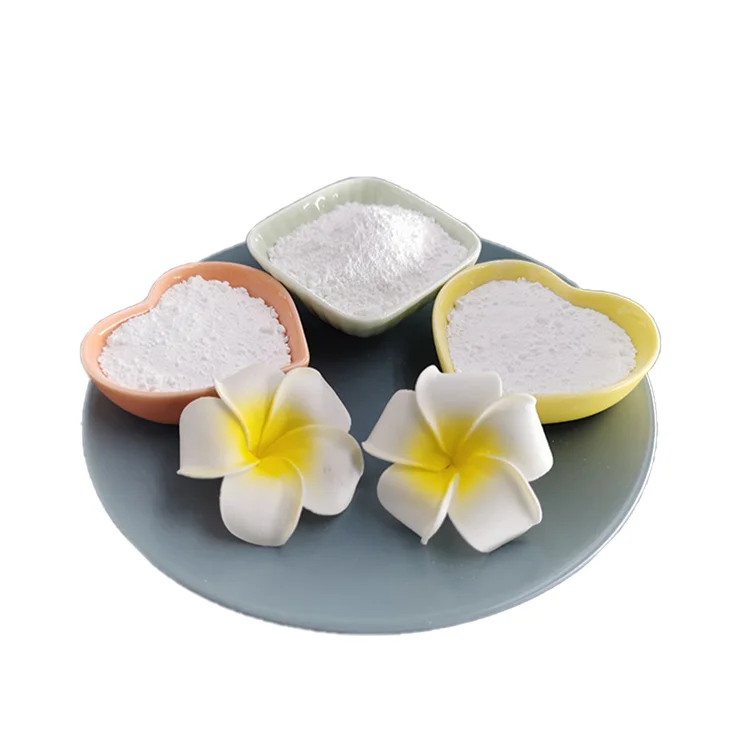
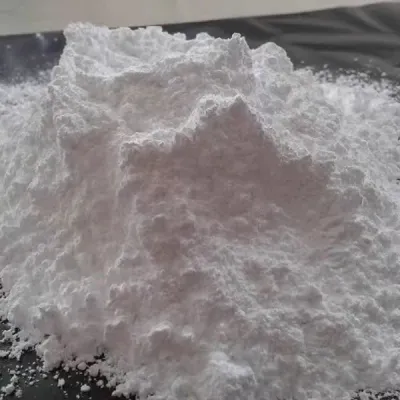
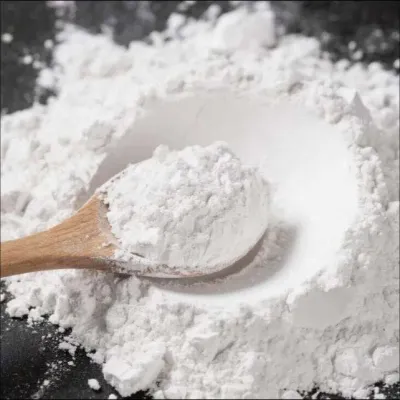
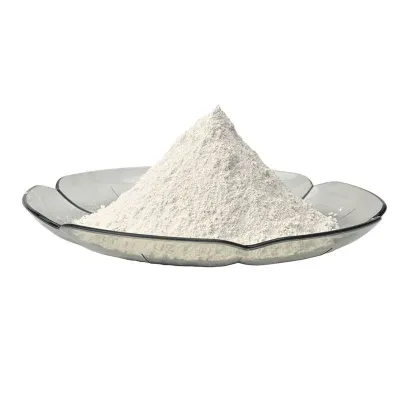
ColorWhitePhysical formPowder
-
CAS No.13462-67-7Purity96%~98.5%
-
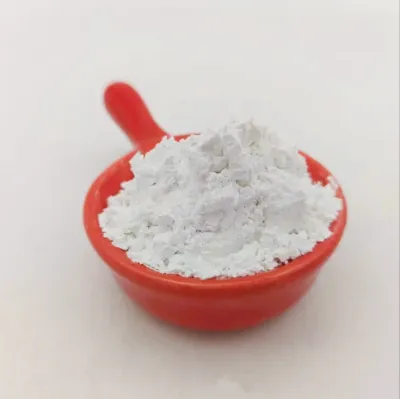
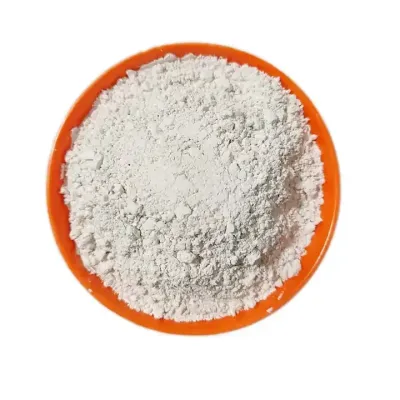
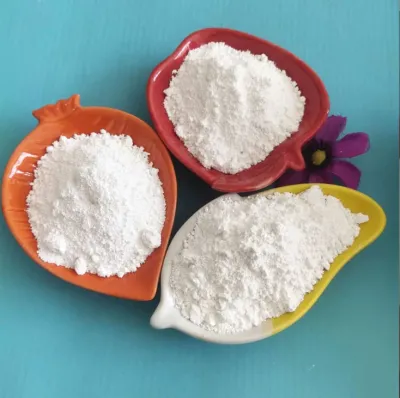
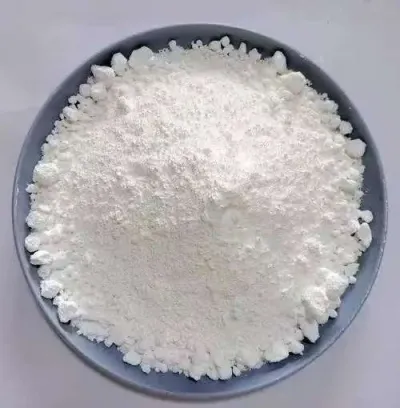
Model NumberXM-A100Appearancewhite Powder
-
Applicationplastic coating paint printing inkClassificationTitanium Dioxide
-
Grade StandardIndustrial GradeMolecular FormulaTiO2
-
Other Namestio2CertificationISO9001
-
HS code3206111000Package25kg/bag
-
PH Value6.5-8.5TiO2 Content96~98.5%
-
Oil Absorption21~26Residue on sieve 45 μm %0.03~0.05
-
Matter volatile at 105°C %0.3~0.5Tinting strength %95~109
-
SampleFreely Provided
A painting or coating enquiry becomes specific when the required pigment is tied to the actual formulation. XM-A100 industrial titanium dioxide is a white TiO2 powder with stated content of 96–98.5%, for a grade-led comparison rather than a general superiority claim.
Describe the paint system before selecting XM-A100
Identify the binder and the optical, processing and finished-film criteria that will decide acceptance. Use XM-A100 when matching the sample with its technical documents. Confirm the offered phase and surface treatment rather than assuming those properties from a familiar titanium dioxide name.
Read the measurement conditions with the values
XM-A100 has stated residue of 0.03–0.05% on a 45 μm sieve and volatile matter of 0.3–0.5% at 105°C. Its pH range is 6.5–8.5. Compare these results under the relevant methods before using the grade profile to design a coating trial.
Complete the pigment comparison with usable references
Request the oil-absorption units and method, and establish the reference behind the XM-A100 tinting-strength figure. Those details turn isolated numbers into a technical comparison you can interpret. Neither the TiO2 content nor a white-powder appearance establishes a particular finished-film result.
For XM-A100, bring the required coating finish and a matched grade specification into the same sample enquiry. Plastics and printing inks are also stated directions, with separate formulation requirements to assess. A controlled trial is the step that connects the available pigment measurements with the painting or coating result you need.