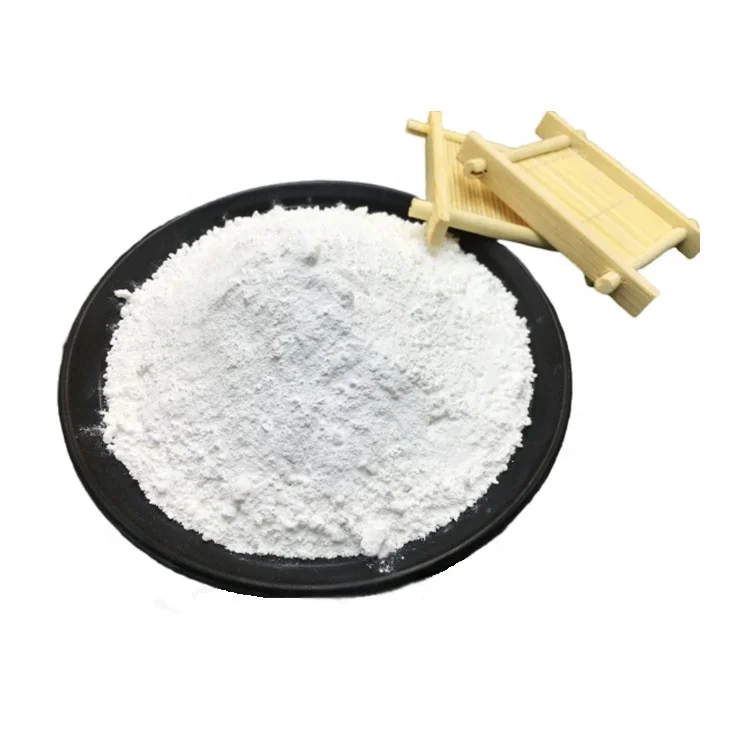
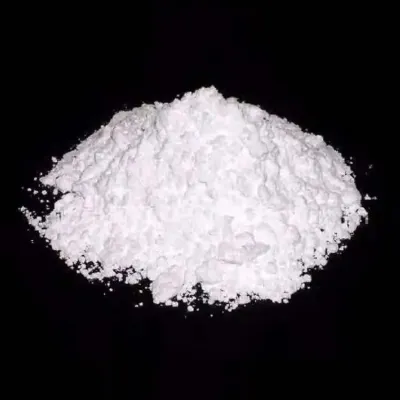
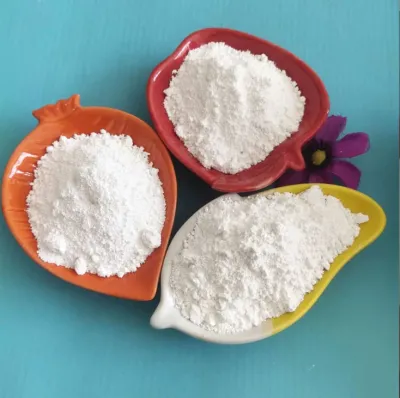
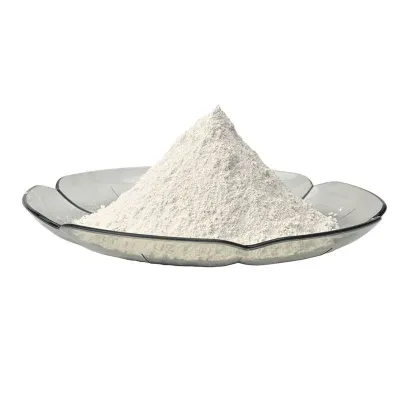
-
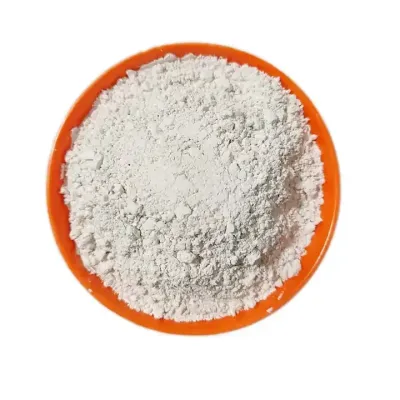
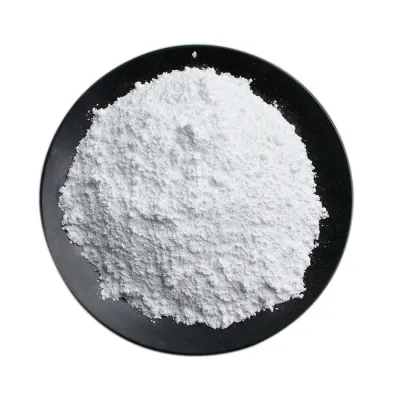
ColorWhitePhysical formPowder
-
CAS No.13462-67-7Purity96%~98.5%
-
Appearancewhite PowderApplicationplastic coating paint printing ink
-
ClassificationTitanium DioxideGrade StandardIndustrial Grade
-
Molecular FormulaTiO2Other Namestio2
-
CertificationISO9001HS code3206111000
-
Package25kg/bagPH Value6.5-8.5
-
TiO2 Content96~98.5%Oil Absorption21~26
-
Residue on sieve 45 μm %0.03~0.05Matter volatile at 105°C %0.3~0.5
-
Tinting strength %95~109SampleFreely Provided
Choosing XM-A101 titanium dioxide for printing ink begins with the pigment specification your formulation actually needs. This industrial white TiO2 powder has a stated content range of 96–98.5%, with paints, plastic coatings and plastics also identified as application directions.
Build an ink trial around XM-A101
XM-A101 gives an ink-development enquiry a specific model to assess rather than an unspecified titanium dioxide request. Compare its grade documentation with the binder, colour and processing requirements of the intended ink. TiO2 content alone should not be interpreted as a measured hiding-power or finished-print result.
Compare the defined pigment measurements
The XM-A101 parameter set includes pH 6.5–8.5, residue on a 45 μm sieve of 0.03–0.05%, and volatile matter at 105°C of 0.3–0.5%. Review the associated methods and acceptance limits before comparing these figures with a different pigment. A common test basis matters when the result will decide whether a formulation trial proceeds.
Resolve treatment and test references before substitution
Ask which pigment form and surface treatment apply to the offered XM-A101 material. Oil absorption also needs its units and method, while a tinting-strength comparison needs a defined reference. These questions keep ink and coating evaluation focused on reproducible evidence rather than a general promise of whiteness or durability.
For a focused XM-A101 enquiry, share the intended ink or coating application and request the relevant grade specification and chemical-identification documents. Make the eventual pigment substitution conditional on the formulation trial meeting your own acceptance criteria.