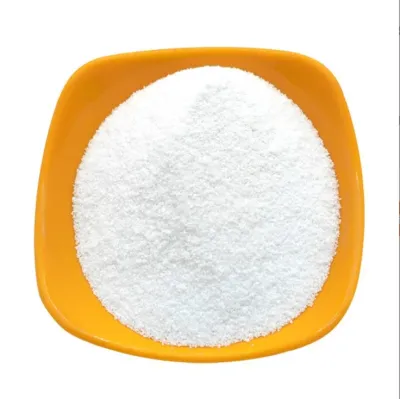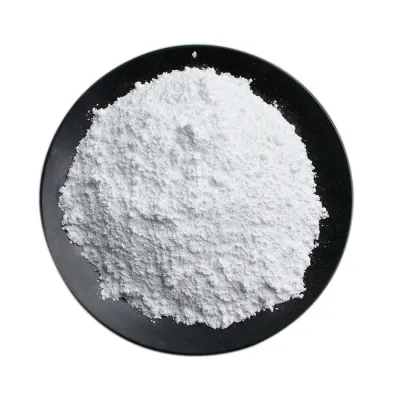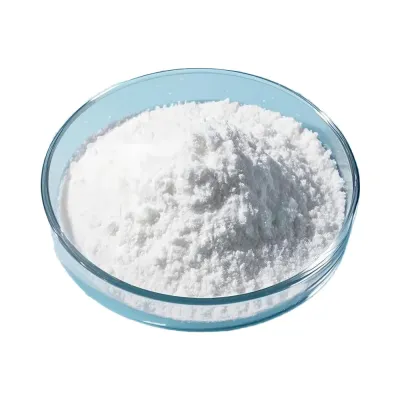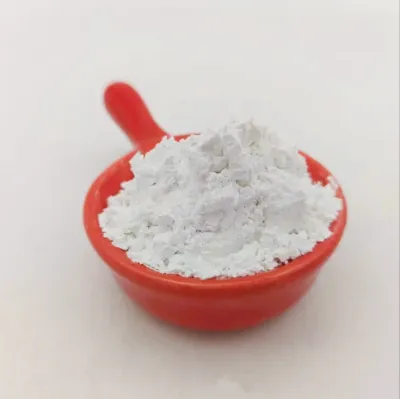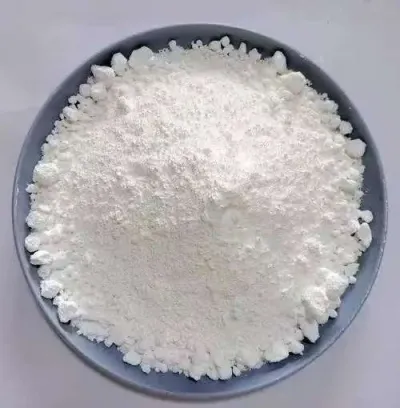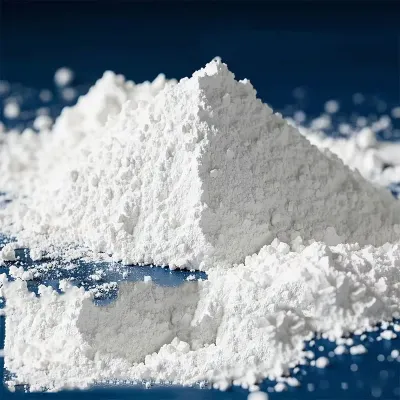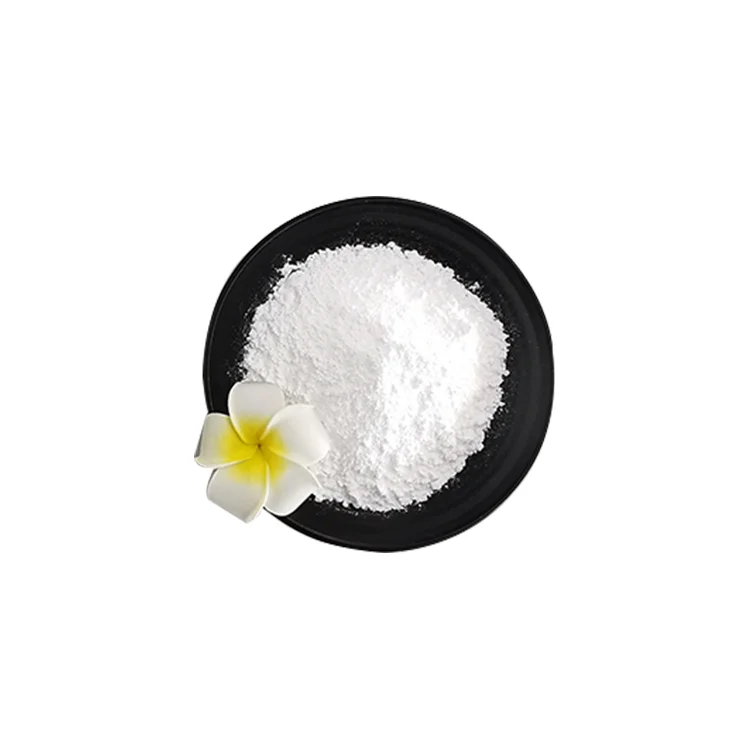
XM-A111 Anatase Titanium Dioxide, 96–98.5% Industrial TiO2 Powder for Paint, Plastic, Coating and Ink
-
ColorWhitePhysical formPowder
-
CAS No.13462-67-7Purity96%~98.5%
-
Model NumberXM-A111Appearancewhite Powder
-
Applicationplastic coating paint printing inkClassificationTitanium Dioxide
-
Grade StandardIndustrial GradeMolecular FormulaTiO2
-
Other Namestio2CertificationISO9001
-
HS code3206111000Package25kg/bag
-
PH Value6.5-8.5TiO2 Content96~98.5%
-
Oil Absorption21~26Residue on sieve 45 μm %0.03~0.05
-
Matter volatile at 105°C %0.3~0.5Tinting strength %95~109
-
SampleFreely Provided
Crystal identity is a useful first distinction in a titanium dioxide enquiry. XM-A111 is an industrial anatase TiO2 white powder with 96–98.5% content for paint, coating, plastic and printing-ink evaluation, with the actual formulation determining its acceptance.
Keep anatase XM-A111 clearly identified
Use the model and anatase designation when requesting the technical comparison. They identify the pigment under consideration, but they do not establish a surface treatment or make another titanium dioxide grade interchangeable without qualification.
Read content and powder tests separately
The pH range is 6.5–8.5, with 0.03–0.05% residue on a 45μm sieve and 0.3–0.5% volatile matter at 105°C. These are defined powder comparison values, rather than a complete particle distribution or proof of opacity in the finished formulation.
- Chemical enquiry
- Confirm XM-A111 identity, current analysis and the offered treatment specification.
- Optical enquiry
- Request the relevant method and test the pigment in the intended binder or polymer.
Let the matrix decide the pigment result
Paint, plastic and printing ink each bring different formulation requirements to XM-A111. Confirm dispersion and the relevant optical acceptance tests rather than treating chemical content as an automatic tinting or cost advantage across every system.
A sample request can focus on XM-A111 and one defined application brief. A confirmed anatase grade specification and a matched formulation trial provide the evidence needed to choose the pigment for that project.