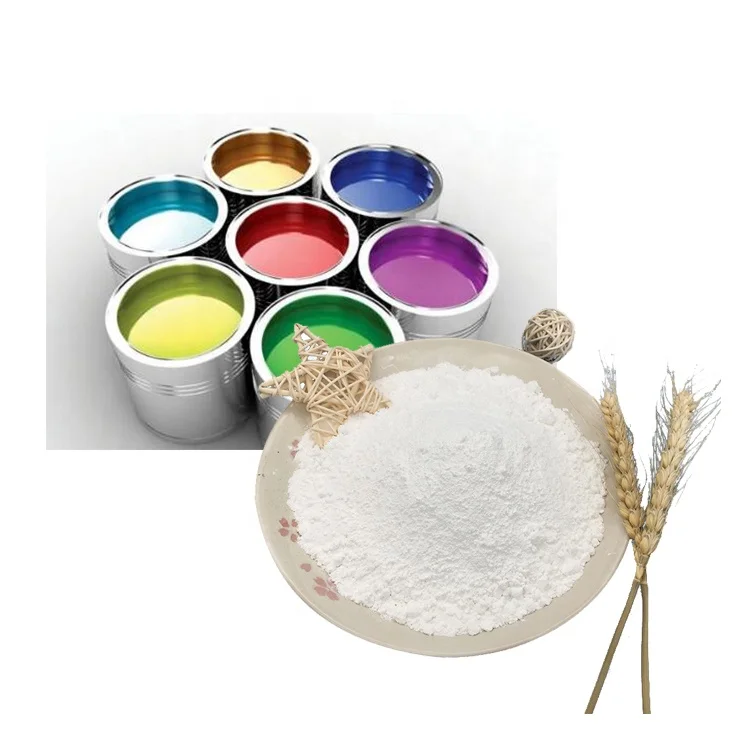
XM-BA13 Industrial Barium Sulfate Powder, ≥60% Purity, D97 13.3μm, for Coatings, Plastics and Rubber
-
Particle-size designationD97 specifiedColorWhite
-
Physical formPowder
-
CAS No.13462-86-7Purity60%
-
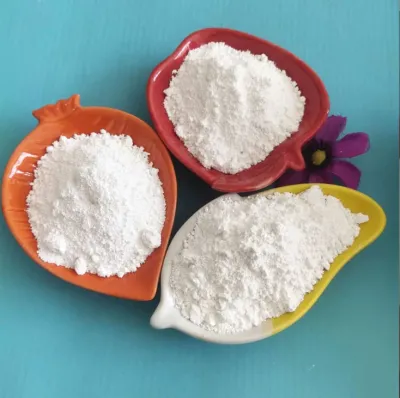
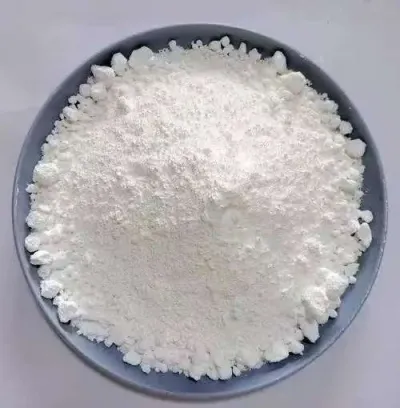
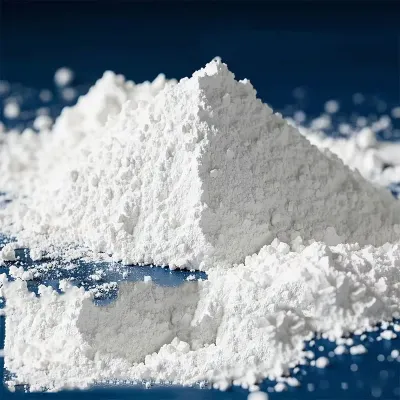
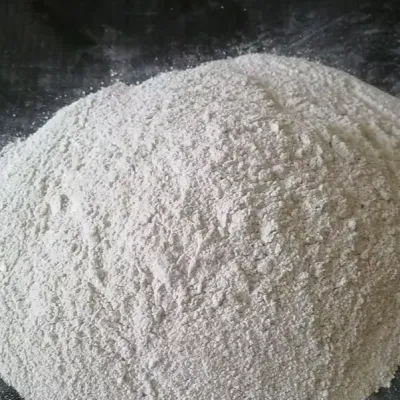
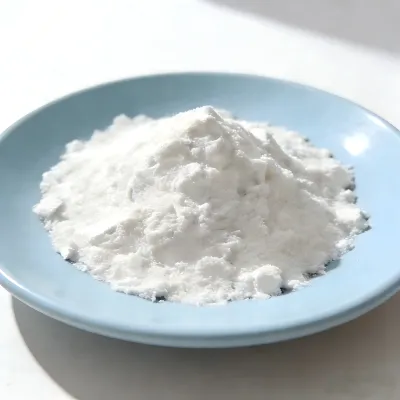
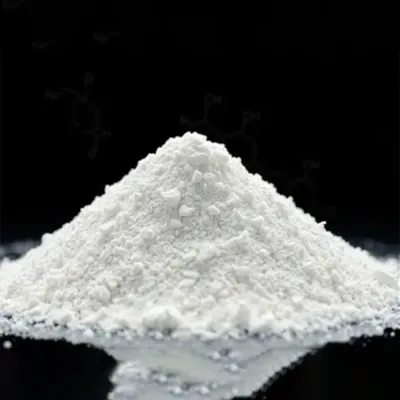
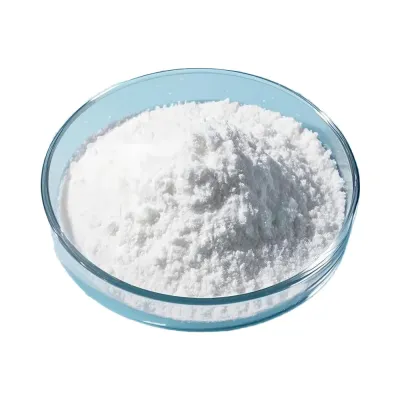
AppearanceWhite PowderApplicationPowder coatings, Plastics, Rubber, Painting, ect.
-
ClassificationSulphateGrade StandardIndustrial Grade
-
Molecular FormulaBaSO4Other NamesBaSO4
-
TypeBarium SulfateUsagePowder coating, Paint, Rubber,Plastic,etc.
-
NameBarium sulfate / Blanc fixe / Barite powderBaSO4 purity≥60%
-
Particle sizeD97 13.3 micronWhiteness(%)≥90
-
ColorWhiteCertificateISO
-
Hs code25111000.00ph≥9
-
Loss on ignition(%)2.5
XM-BA13 identifies a specific industrial barium sulfate powder for comparing accepted formulation limits. Its BaSO4 purity is at least 60%, with a D97 particle size of 13.3μm and white powder appearance for coating, plastics and rubber enquiries.
Keep the XM-BA13 minimums explicit
The whiteness value is at least 90%, and pH is stated as at least 9. Confirm the measurement conditions and the complete acceptance specification instead of converting either lower bound into an exact value or an unstated range.
Check the particle percentile against the application
Use D97 at 13.3μm when comparing the grade with the intended powder requirement. Request the full distribution and any surface treatment details, because one percentile does not establish how the material will disperse in every binder or resin.
Which formulation needs the trial?
Separate the powder-coating and paint requirements from those for rubber or plastics. Define the actual binder or polymer, then agree measurements that will determine whether XM-BA13 suits that particular system.
Confirm the remaining qualification documents
Loss on ignition is 2.5%, with its test method still needing confirmation for a meaningful comparison. Obtain current chemical identification and any required certificate scope rather than treating a broad ISO label as a product-specific approval.
Include the model and the buyer's accepted chemical, particle and alkalinity limits in the enquiry. This makes the technical discussion precise while leaving application performance to the relevant formulation trial.