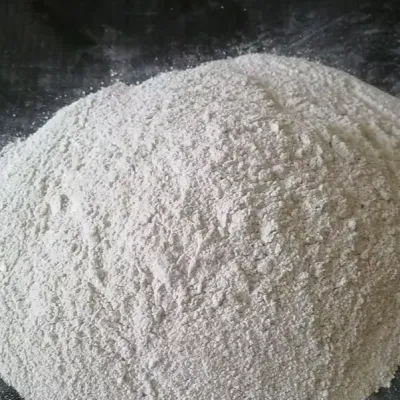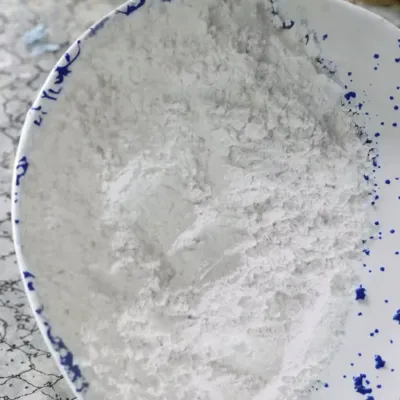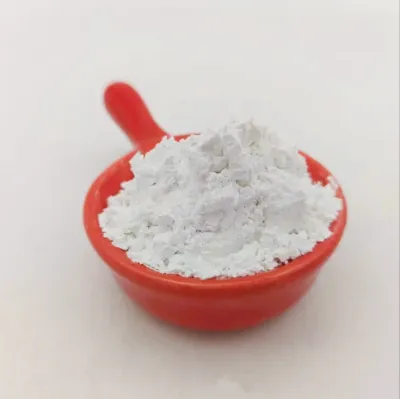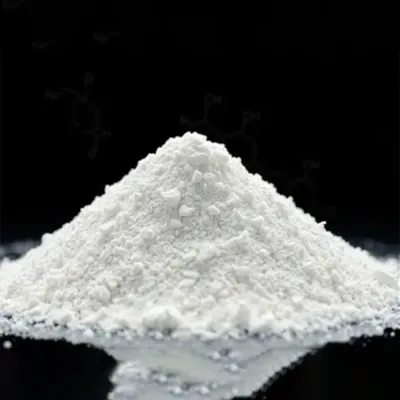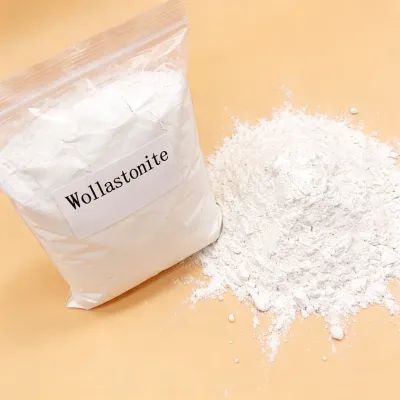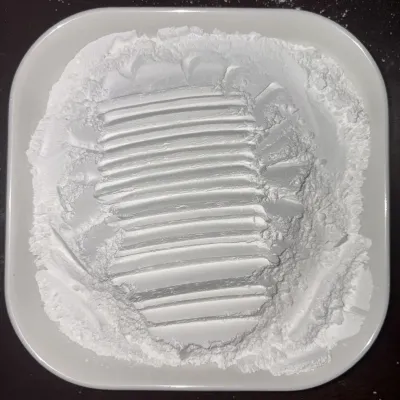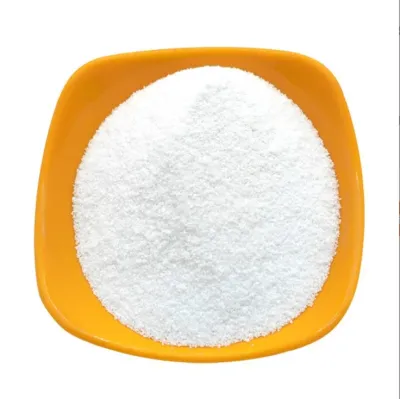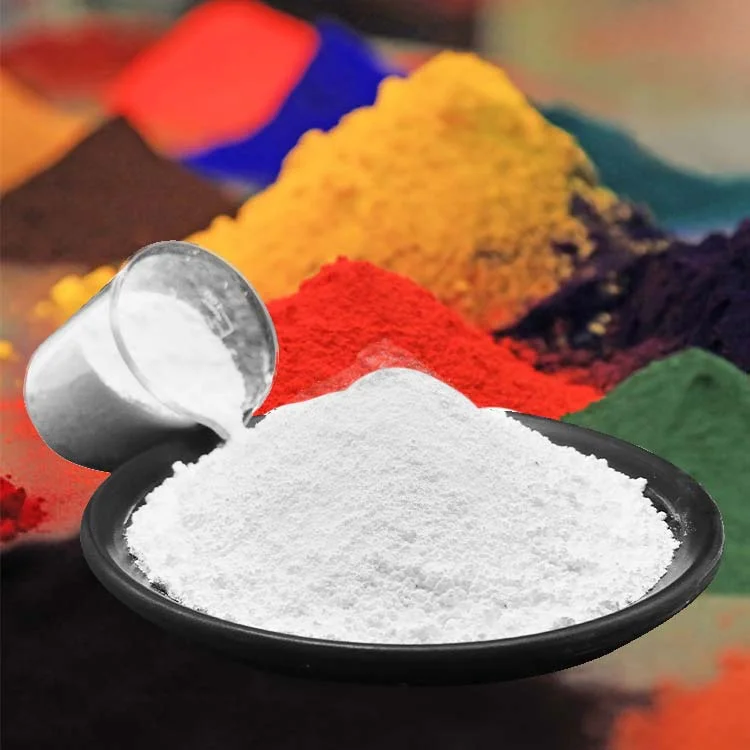
XM-BA25 Industrial Barium Sulfate Powder, 92–94% BaSO4 Content, D50 3μm and D97 9μm, for Coating Trials
-
Particle-size designationD97 specified , D50 specifiedColorWhite
-
Physical formPowder
-
CAS No.13462-86-7Purity92-94
-
AppearanceWhite PowderApplicationPowder coatings, Plastics, Rubber, Painting
-
ClassificationSulphateGrade StandardIndustrial Grade
-
Molecular FormulaBaSO4TypeBarium Sulfate
-
Model NumberXM-BA25BaSO4 Content (%)92~94
-
D50 (μm)3D97 (μm)9
-
Whiteness (%)88PH value7~9
-
Oil Absorption (g/100g)13-15Specific Gravity (g/cm³)4.25
XM-BA25 offers a defined set of raw-powder measurements for comparing industrial filler requirements. The white barium sulfate has 92–94% BaSO4 content, D50 at 3μm and D97 at 9μm for coating, paint, plastics and rubber evaluation.
Read the XM-BA25 particle pair together
Compare both percentiles with the intended formulation specification and request the complete distribution and method. Keeping the median and upper percentile together gives the enquiry a more precise starting point than using a broad high-purity description alone. Request current lot results for the stated BaSO4 content range.
Review oil demand and the named gravity measurement
Oil absorption is 13–15g/100g, with a stated specific-gravity measurement of 4.25g/cm³. Confirm the methods and current grade report before interpreting those values within the actual binder or polymer system.
- Powder colour
- Whiteness is 88%, with the relevant method to be confirmed.
- Acidity specification
- The stated pH range is 7–9; agree its measurement conditions for comparison.
Use the actual formulation to establish suitability
Obtain any surface treatment information and current content analysis for the offered XM-BA25. Evaluate the material in the intended coating, plastic or rubber system, using that application's own optical, dispersion and processing acceptance criteria.
Include the model, content and both particle requirements in the technical enquiry. A documented powder comparison and a matched trial make the selection practical without an assumed high-purity guarantee or a universal formulation-performance claim.