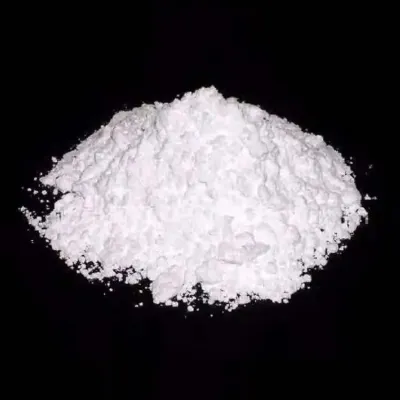
-
Particle-size designationMesh designationPhysical formPowder
-
Model NumberXM-BA386ApplicationRubber
-
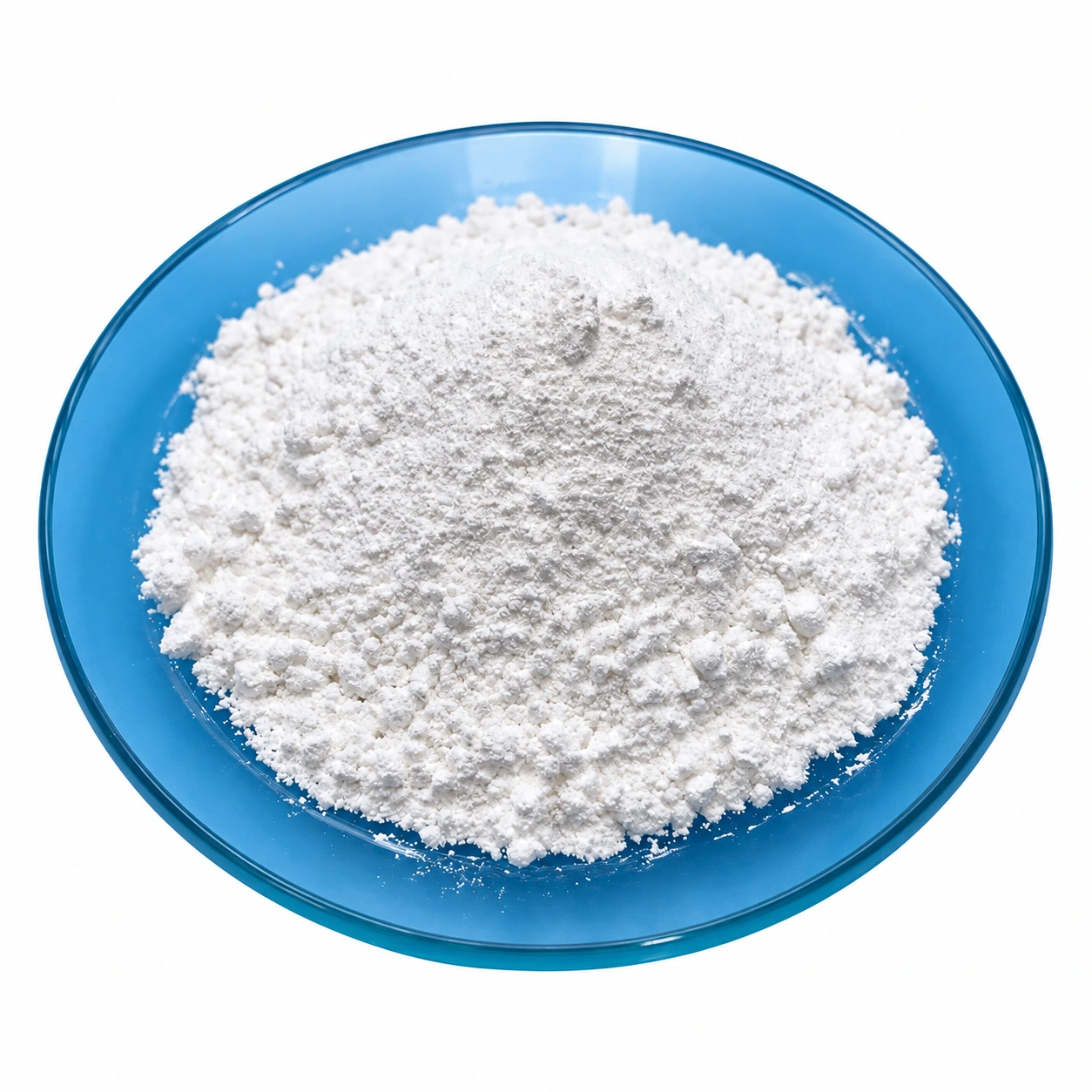
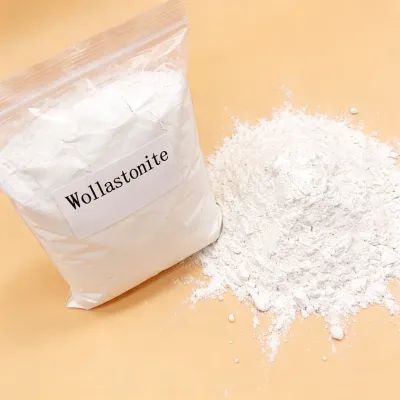
TypeBarite Powder
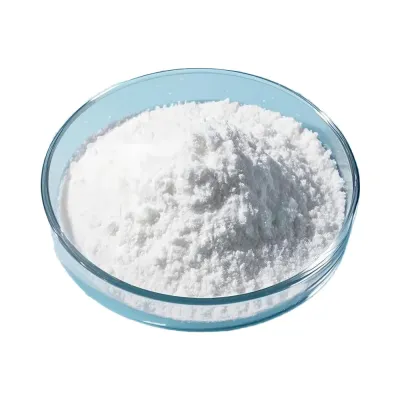
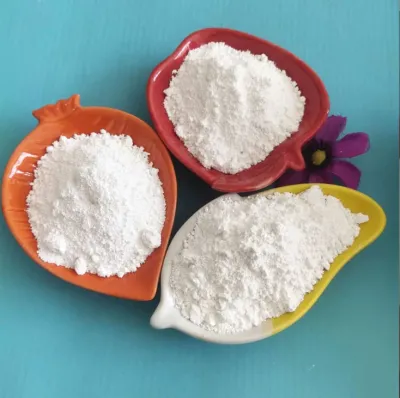
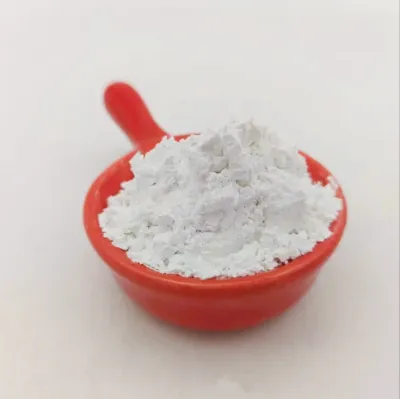
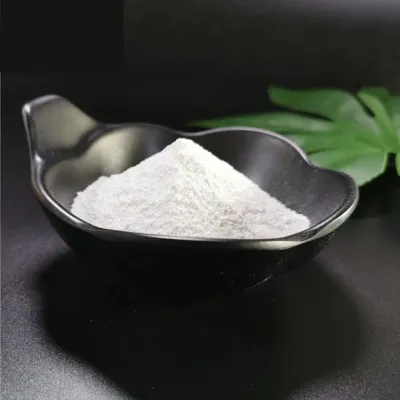
XM-BA386 is a barite powder offered for rubber applications, with a 400-mesh designation in the product identity. For a compounder, the useful question is whether this particular barium sulfate ingredient meets the mineral specification and processing conditions of the intended rubber formulation.
Use the rubber application as the starting point
Rubber is the explicit application for XM-BA386, and the available selection is named as a special rubber filler. That identifies the purchasing context without establishing a particular elastomer compatibility, loading level or finished-article performance; those decisions need the buyer's compound specification and trial evidence.
Translate 400 mesh into an acceptance test
The 400-mesh term distinguishes the XM-BA386 enquiry from an unspecified barite powder request. Agree the applicable screen convention and request a measured particle distribution before comparing this material with a powder described by D50 or D97, because those measurements are not interchangeable labels.
- Confirm the mineral specification
- Ask for the XM-BA386 composition, impurity criteria and product-specific safety documentation.
- Define the actual rubber trial
- Identify the elastomer, processing route and acceptance criteria that will determine whether the barite is suitable.
Keep value claims tied to the compound
A rubber filler should be evaluated by the result in the intended formulation rather than a general high-content or economical claim. XM-BA386 needs an agreed assay, particle-size basis and representative compound test before a buyer can judge its practical contribution to that application.
Specify the XM-BA386 model and 400-mesh requirement together with the rubber-process criteria, so that the proposed barite sample is assessed against a defined material target.