-
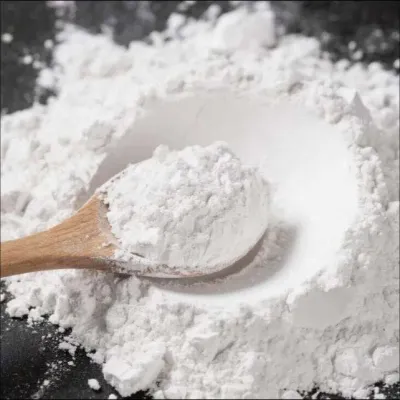
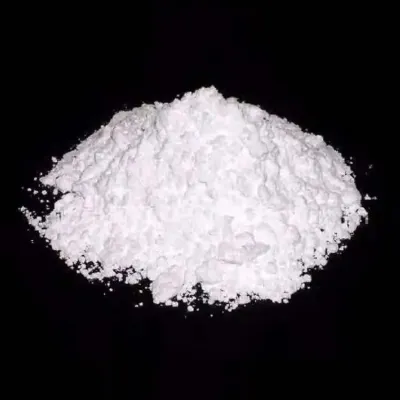
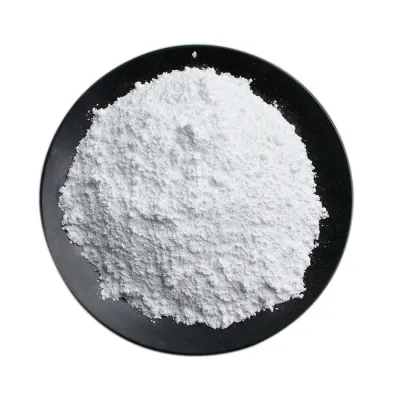
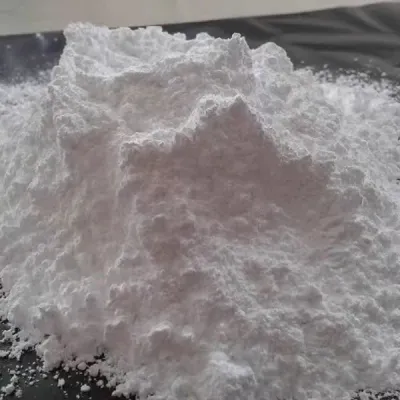
Physical formPowder
-
Model NumberXM-L3000ApplicationPaint
-
TypeBarite Powder
A paint-filler comparison becomes more useful when the model and the measurement questions are clear. XM-L3000 identifies a barite powder for paint evaluation, giving the technical enquiry a specific material reference while the required fineness and finish criteria are agreed.
Give XM-L3000 a defined paint brief
Start with the binder, the intended finish and the material that the barite would be compared against. These details help determine which powder measurements and formulation tests are relevant, without assuming that every paint application asks the same thing of XM-L3000.
Keep mesh and whiteness separate
A mesh designation concerns a sizing convention, while whiteness requires its own defined test value and method. Ask for a unit-bearing particle distribution and a separate whiteness result for XM-L3000, rather than using either expression as a substitute for D50, D97 or finished-paint appearance.
- Particle question
- Which measured distribution and method apply to the offered barite grade?
- Paint question
- Which formulation test will decide whether the powder meets the project's finish criteria?
Use the trial to settle the finish
Barite-powder identity does not establish dispersion, gloss or a replacement ratio in the chosen paint. Compare XM-L3000 under the intended binder and processing conditions, and request any treatment information needed to interpret the result.
The strongest XM-L3000 enquiry is therefore a concise paint brief paired with clearly defined measurement requests. A resolved particle specification and a relevant formulation trial provide the basis for deciding whether this barite grade should enter the paint project.