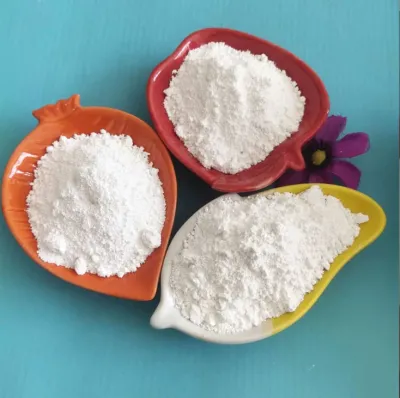
-
ColorWhitePhysical formPowder
-
CAS No.7727-43-7Purity98%-99%
-
AppearanceWhite PowderApplicationPlastic,Rubber,Coating,Sealants
-
ClassificationSulphateGrade StandardIndustrial Grade
-
Molecular FormulaBaSO4Other NamesPrecipitated Barium Sulphate
-
TypeBarium SulfateD50(μm)0.5-0.7
-
D97(μm)1.8-2.5Whiteness98-99%
-
pH7-8Oil Absorption(G/100g)13-15
-
Package25kg/BagCertificationISO9001
-
Hs code28332700Package Appearancecustomized
-
SampleFreely
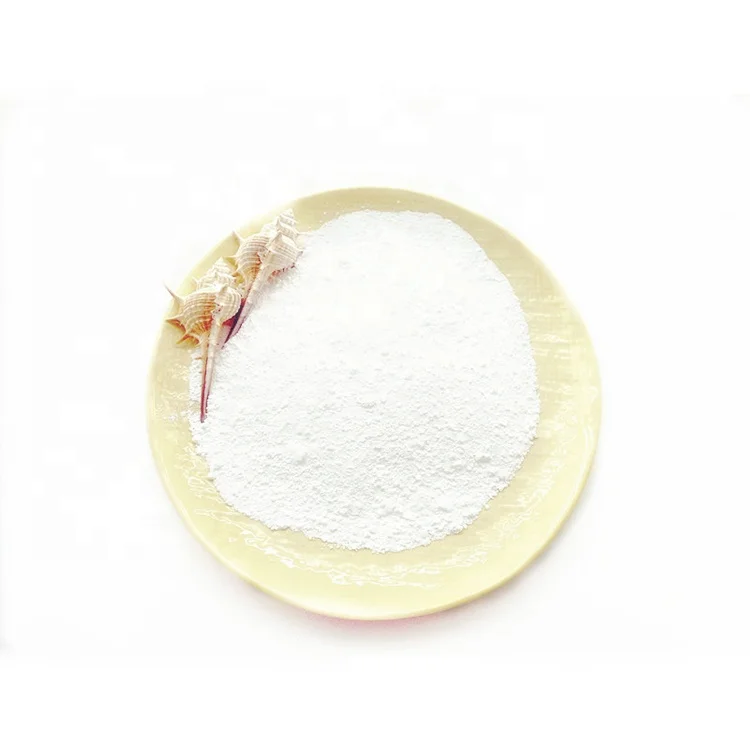
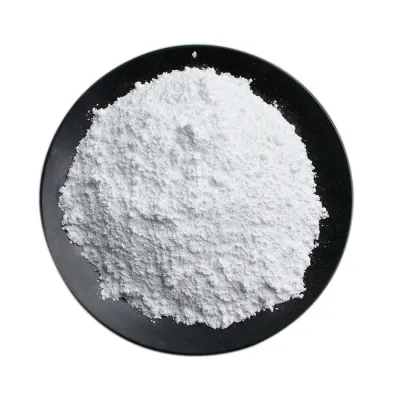
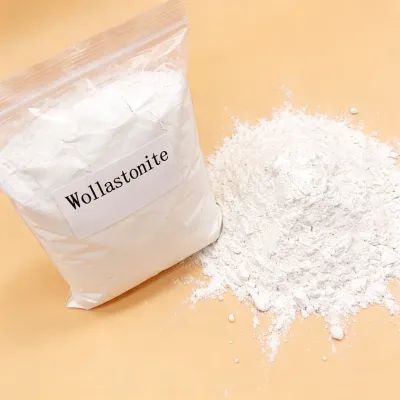
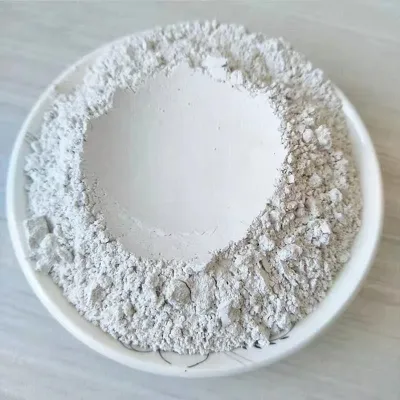
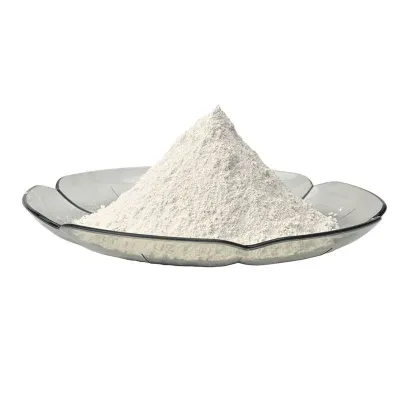
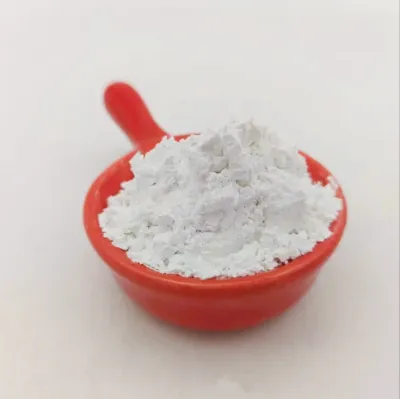
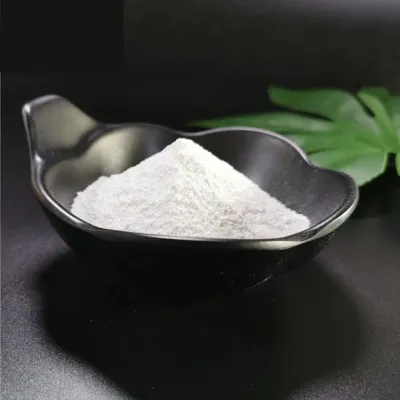
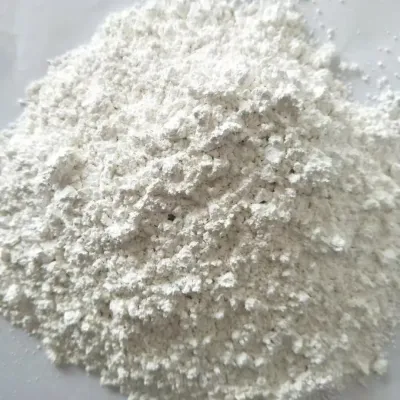
Paint developers can use a defined powder-whiteness requirement to frame a mineral enquiry. XM-PB02 industrial precipitated barium sulfate has stated whiteness and purity ranges of 98–99%, with a white powder form and measured particle profile for grade-specific evaluation.
Start with the XM-PB02 whiteness method
Confirm the test method and reference used for the stated 98–99% powder whiteness. Compare samples on that basis rather than assuming the same number means the same result under every method. The requirement should connect to the paint project's actual acceptance criteria.
Connect the particle profile with the paint specification
The XM-PB02 D50 is stated as 0.5–0.7 μm and D97 as 1.8–2.5 μm. Keep those measurements distinct when comparing the powder with another mineral candidate. Its pH range of 7–8 also belongs in the technical brief alongside the complete test methods.
Resolve the coating result through the binder trial
Powder whiteness does not establish finished-paint colour, gloss or durability. Define the relevant binder-specific test and assess the XM-PB02 sample through that formulation. Plastics, rubber and sealants are additional stated directions needing their own evidence.
What should support the grade enquiry?
Request the complete XM-PB02 specification, including the oil-absorption method, and any certificate scope required for procurement. Keep those documents attached to the actual sample and paint acceptance test. That makes the whiteness-led mineral comparison useful without turning it into an untested quality promise.