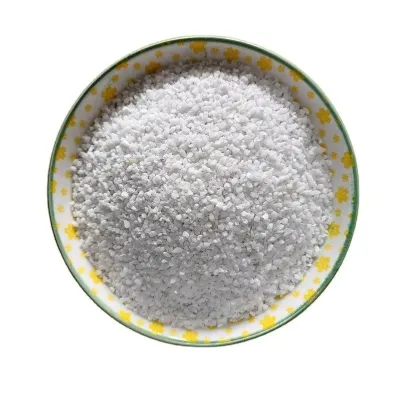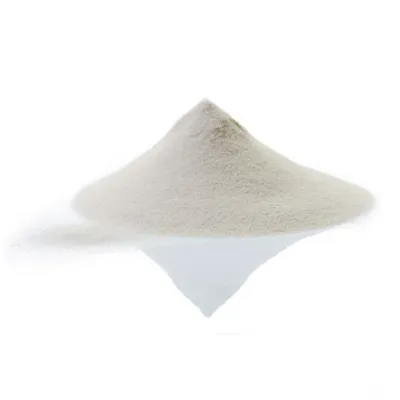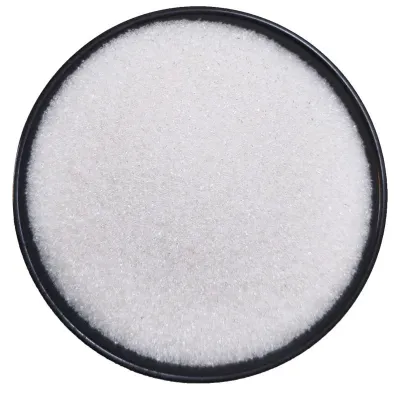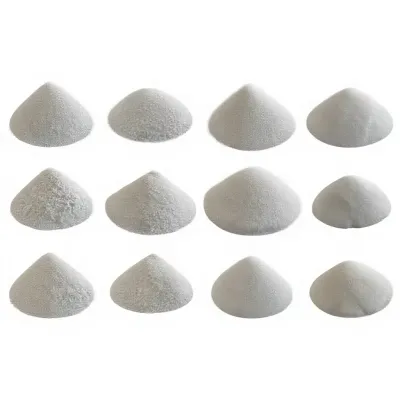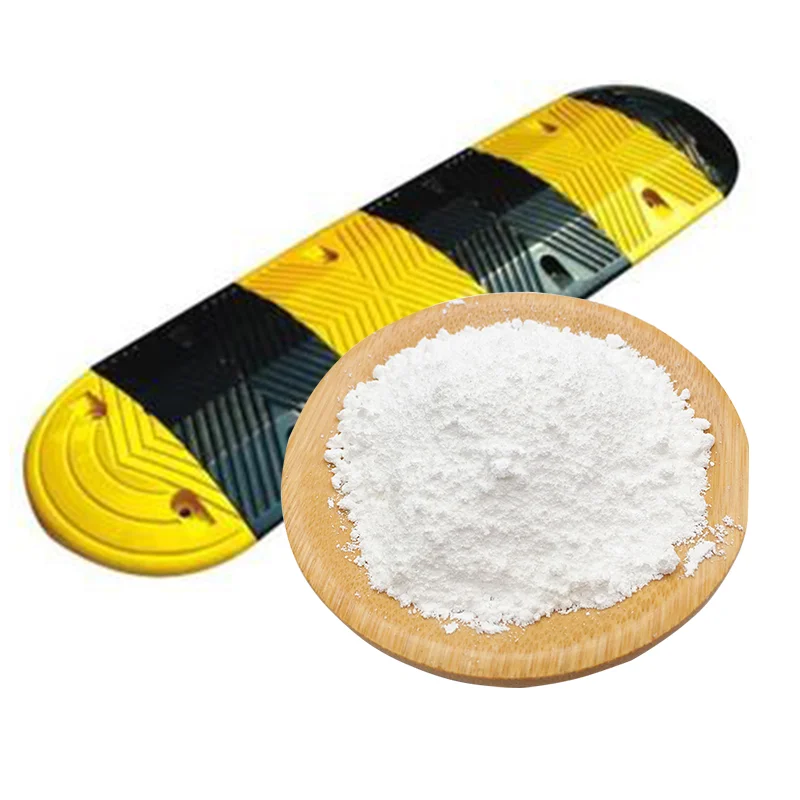
XM-PB02 Precipitated Barium Sulphate Powder for Paint, Coating, Plastic and Printing Trials
-
ColorWhitePhysical formPowder
-
CAS No.7727-43-7Purity98%
-
AppearanceWhite PosderApplicationpaint, coating, plastic,battery,enamels,printing
-
ClassificationSulphateGrade StandardIndustrial Grade
-
Molecular FormulaBaSO4Other NamesBariate
-
TypeBarium SulfateModel NumberXM-PB02
-
D501.5Whiteness96
-
PH value7-9Oil absorption16-20
-
BaSO4 Content94CertificationISO
A paint-filler enquiry needs an agreed chemical specification before a covering-performance comparison is meaningful. XM-PB02 identifies an industrial precipitated barium sulphate white powder for paint, coating and plastic evaluation, with the powder documents defining the material to be tested.
Agree the XM-PB02 assay basis
Request current chemical analysis that names the BaSO4 analyte, reporting basis and accepted assay limit. These details should be settled before the powder is approved against a purchasing specification or compared with an existing filler.
Put powder measurements into defined units
Ask for a complete particle distribution, the oil-absorption basis and the whiteness test method for XM-PB02. A fineness or optical number is more useful when its unit and conditions are clear, especially when the coating formulation has specific raw-material limits.
- Material confirmation
- Identify XM-PB02 and the current chemical and physical specification.
- Coating confirmation
- Use the binder-specific trial to assess the relevant covering and finish criteria.
Qualify the intended application separately
The pH range of 7–9 is a stated powder comparison value rather than proof of a covering result. Printing, enamel and battery enquiries also need their own composition limits and relevant tests, without transferring a paint conclusion into another process.
Bring the intended formulation into the XM-PB02 technical exchange and settle the assay and measurement questions first. The resulting specification and a matched trial give the precipitated powder a practical evaluation path without an assumed optical or compatibility benefit.