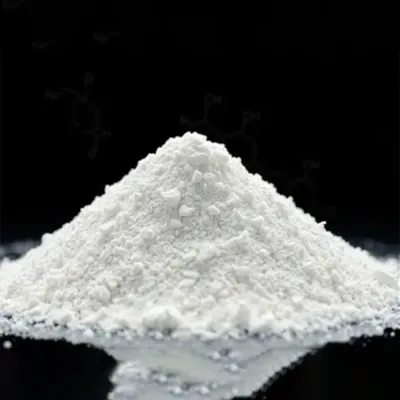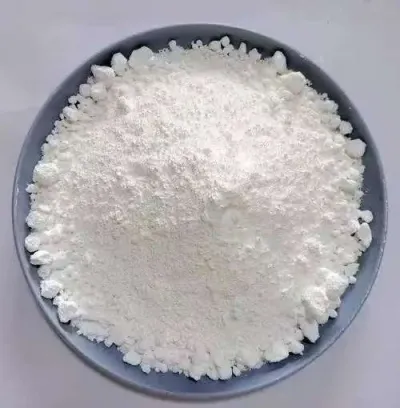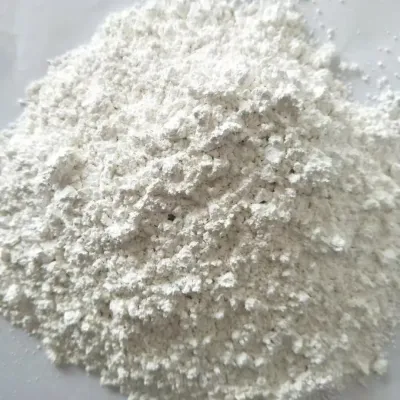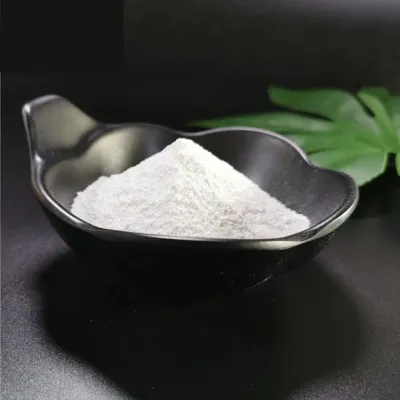
XM-PB05 Precipitated Barium Sulphate BaSO4 Powder for Powder Coatings, Paint, Plastics and Rubber
-
Particle-size designationD50 specifiedColorWhite
-
Physical formPowder
-
CAS No.13462-86-7Purity98.5%
-
AppearanceWhite PowderApplicationPowder coatings, Plastics, Rubber, Painting, ect.
-
ClassificationSulphateGrade StandardIndustrial Grade
-
Molecular FormulaBaSO4Other NamesBaSO4
-
TypeBarium SulfateModel NumberXM-PB05
-
UsagePowder coating, Paint, Rubber,Plastic,etc.NameBarium sulfate / Blanc fixe / Barite powder
-
BaSO4 purity≥98.5%Particle sizeD50 1.5μm
-
Whiteness(%)≥96.5ColorWhite
-
CertificateISOHs code25111000.00
-
ph7.3-8.6Specific Gravity4.2-4.3 g/cm3
A powder-coating comparison can begin with the particle and optical values needed for the intended film. XM-PB05 is an industrial white precipitated barium sulphate powder with stated D50 of 1.5 μm and whiteness of at least 96.5%. Paint, plastics and rubber are additional identified evaluation contexts.
Compare the PB05 particle and optical methods
Request the complete particle distribution and preparation procedure behind the D50 result. Obtain the whiteness reference and instrument method separately. These reports make it possible to compare the sample using the same basis as other candidate materials.
Review the composition threshold with current analysis
Stated purity is 98.5%, with barium sulfate purity stated as at least 98.5%. Ask for the current assay and its reporting basis before agreeing the project's composition criterion. Include any additional constituent limits that matter to the actual formulation.
Define the pH and physical-property requirements
The stated pH is 7.3–8.6. Request the preparation and measurement method before comparing it with another grade. If density is important to the project, obtain a clearly defined measurement report rather than assuming the basis of a physical-property value.
Carry the exact sample through the formulation trial
Identify the coating binder or polymer and the processing conditions to be evaluated. Set the finished-material tests before running the comparison, then record the results for the actual sample. Review the current technical reports and applicable documentation before acceptance; these material values do not by themselves establish dispersion, film appearance or mechanical performance.