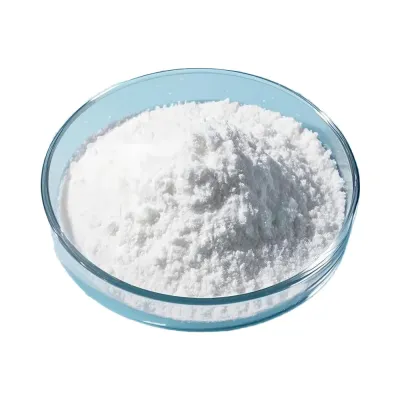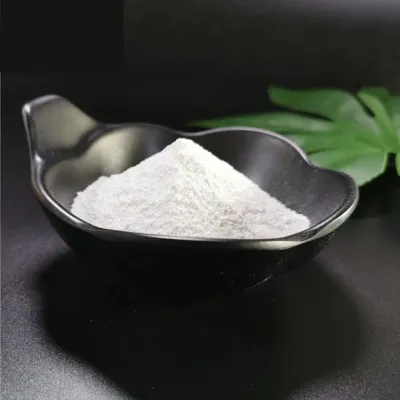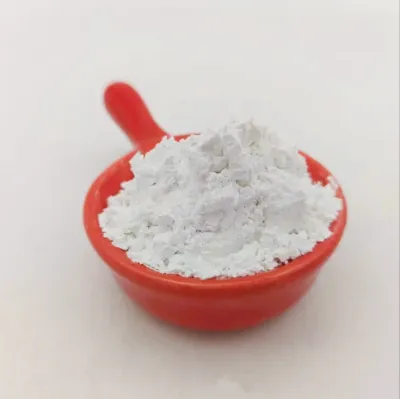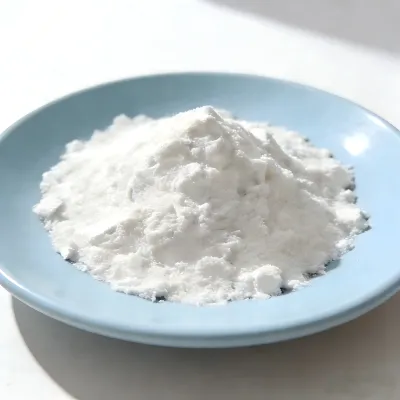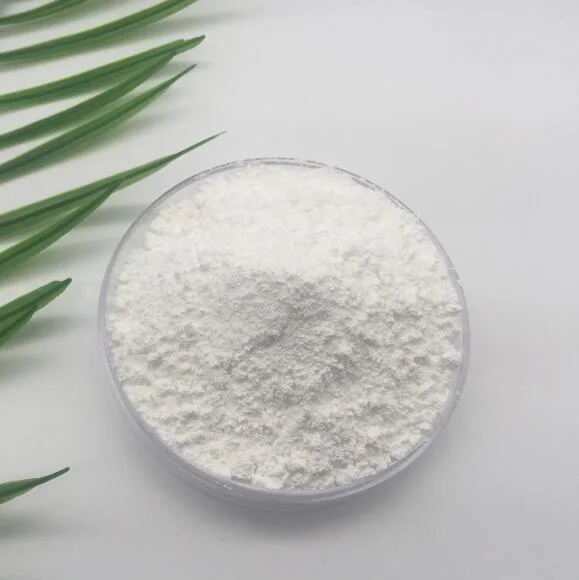
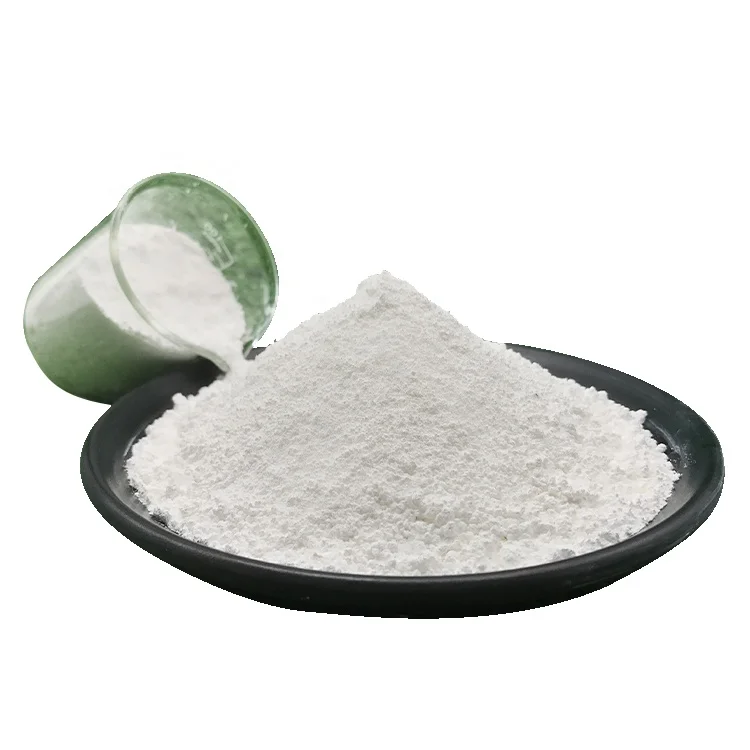
XM-PB07 Ultrafine Barium Sulfate for Plastic Performance Trials, 98–99% Industrial Powder
-
ColorWhitePhysical formPowder
-
CAS No.7727-43-7Purity98%-99%
-
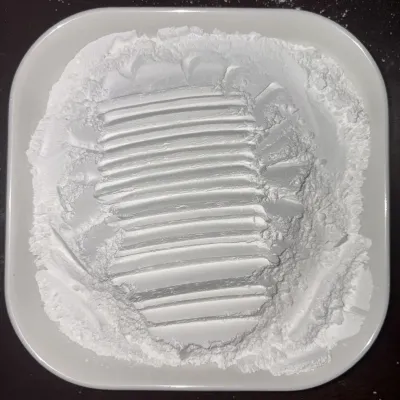
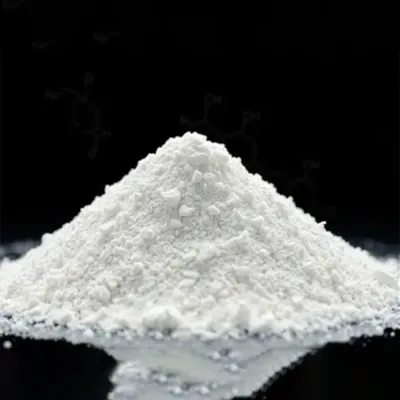
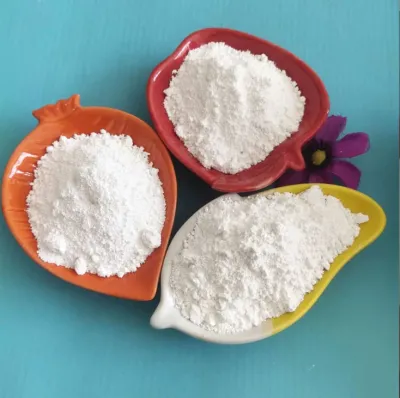
AppearanceWhite PowderApplicationPlastic,Rubber,Coating,Sealants
-
ClassificationSulphateGrade StandardIndustrial Grade
-
Molecular FormulaBaSO4Other NamesPrecipitated Barium Sulphate
-
TypeBarium SulfateModel NumberXM-PB07
-
D50(μm)0.5-0.7D97(μm)1.8-2.5
-
Whiteness98-99%pH7-8
-
Oil Absorption(G/100g)13-15Package25kg/Bag
-
CertificationISO9001Hs code28332700
-
Package AppearancecustomizedSampleFreely
An ultrafine label becomes more useful when it is connected to actual powder measurements. XM-PB07 precipitated barium sulfate has 98–99% purity in an industrial white powder, with a stated particle profile that can frame a plastic-material comparison.
Give ultrafine XM-PB07 a measured meaning
The D50 range is 0.5–0.7μm and D97 is 1.8–2.5μm for this grade. Request the measurement method and relevant treatment information, then compare those values with the filler specification required by the intended plastic.
Choose the plastic property that matters
Define the finished-product test before claiming that XM-PB07 enhances performance. Powder fineness alone does not establish a strength, stiffness or processing benefit, so the trial needs to evaluate the actual resin and the project's acceptance criteria.
- Identify the XM-PB07 powder and the receiving plastic system.
- Review current analysis, full particle information and treatment documents.
- Compare finished-plastic results under the relevant trial conditions.
Keep raw-powder and finished-product evidence distinct
The 98–99% whiteness range and pH of 7–8 provide additional powder comparison points. They should remain separate from the plastic result, just as rubber, coating and sealant uses require their own qualification rather than a transferred approval.
Sampling and customized package appearance can be discussed with the XM-PB07 request. A measured powder brief and a resin-specific trial give the ultrafine material a practical evaluation path without an invented performance gain.