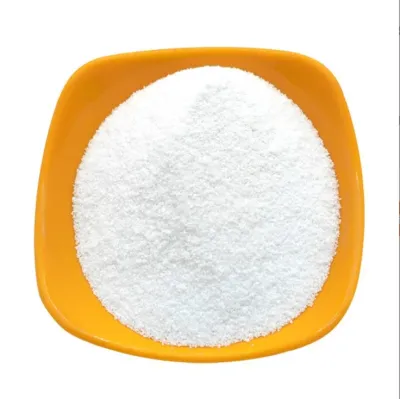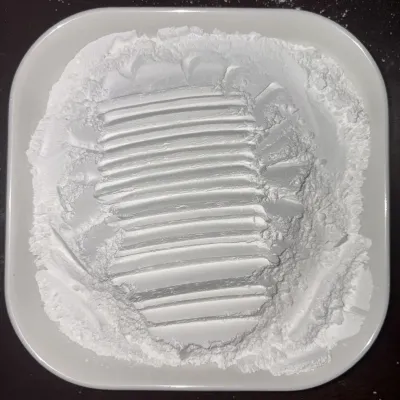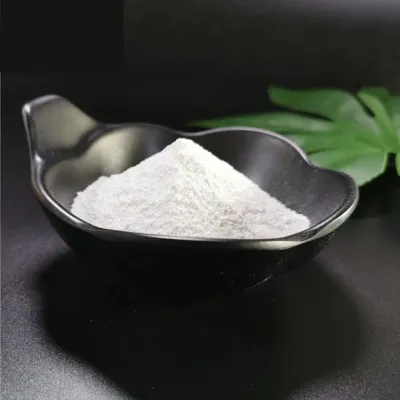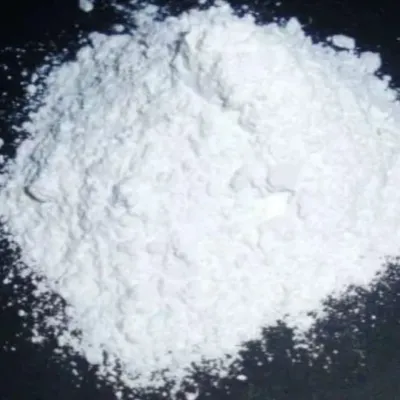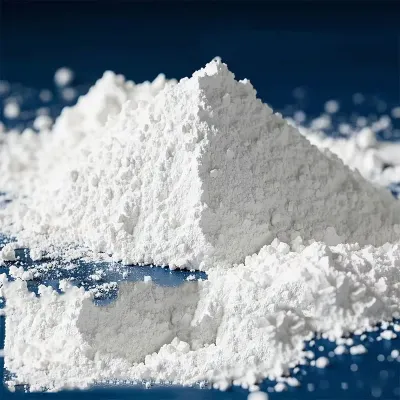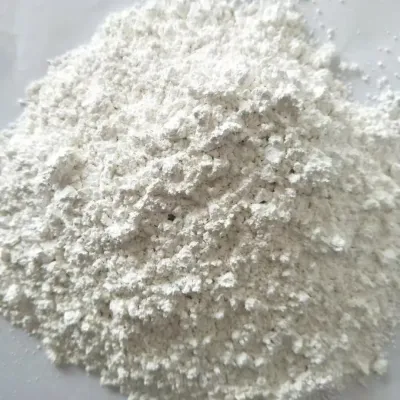
XM-PB15 Industrial Precipitated Barium Sulphate Powder, 98% Purity, for Paint, Coating, Plastic and Printing Trials
-
ColorWhitePhysical formPowder
-
CAS No.13462-86-7Purity98%
-
Appearancewhite powderApplicationplastic,coating,print,battery
-
ClassificationSulphateGrade StandardIndustrial Grade
-
Molecular FormulaBaSO4TypeBarium Sulfate
-
Model NumberXM-PB15D503
-
PH7±0.5Whiteness96
-
oil absorption12-14certificationISO
-
spcifigravity4.3-4.4
XM-PB15 gives a precipitated-sulfate enquiry a model-specific chemical and physical starting point. The industrial white barium sulphate powder has 98% purity, pH 7±0.5 and a stated specific-gravity range of 4.3–4.4 for technical comparison.
Read the PB15 pH tolerance and gravity range
Confirm the measurement methods and current results for the offered XM-PB15 grade. Keep the pH tolerance and named gravity range tied to their reports, instead of turning a raw-material profile into an assumed formulation-performance guarantee.
Obtain the missing powder measurement definitions
Request a unit-defined D50 and full particle distribution, plus oil-absorption units and methods. Ask for the whiteness scale and any treatment information, so the coating or polymer comparison uses a clear specification rather than familiar-looking numbers without a defined basis.
- Material requirement
- Agree the current assay and accepted powder limits.
- Formulation requirement
- Identify the paint, coating, plastic or printing system and relevant trial criteria.
Document battery and certificate qualifications separately
Battery enquiries need their own chemistry requirements and relevant test evidence. Obtain applicable ISO scope if certification is required, and define any actual chemical guarantee through the accepted specification rather than a promotional label.
Include the model and target formulation with the requested technical reports. Ask for current lot results against the agreed chemical and physical limits. A current grade comparison followed by a matched binder or polymer trial provides a useful selection route without an assumed optical, processing or approval claim.