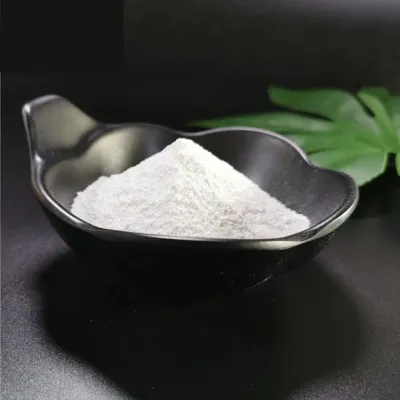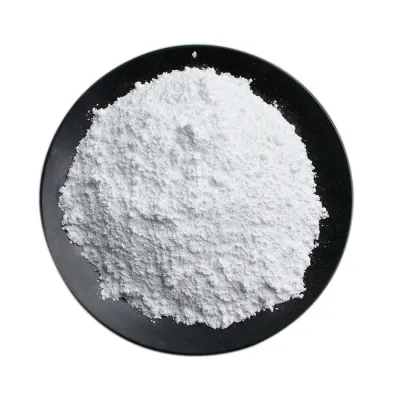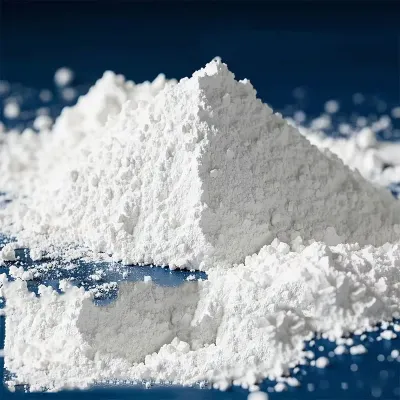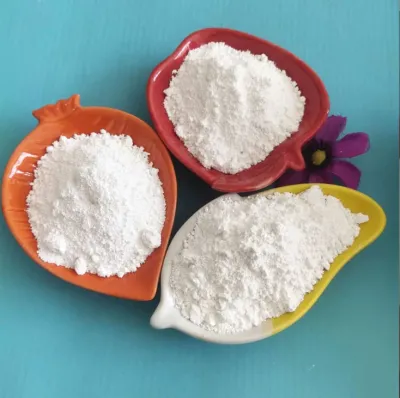
XM-T288 Rutile Titanium Dioxide Pigment, 94% Purity, for Industrial Paint, Ink, Powder Coatings and Plastics
-
ColorWhitePhysical formPowder
-
CAS No.13463-67-7Purity94%
-
Model NumberXM-T288Appearancewhite
-
Applicationpigment, paint, industrial ink and powder coating.ClassificationTitanium Dioxide
-
Grade StandardIndustrial GradeMolecular Formulatio2
-
Other NamesTitanium DioxideProduct nameTitanium Dioxide
-
ColorSuper WhiteKeywordsTitanium Dioxide price
-
GradeIndustrail GradeUsageCoatings Printing Ink.plastic
-
ShapePowdeSampleAvailiable
-
StorageDry PlaceFeatureHigh Whiteness
-
CertificateISO9001
A sample discussion is most useful when the pigment model and intended optical test are already clear. XM-T288 is an industrial white rutile titanium dioxide pigment with 94% purity for paint, industrial ink, powder coatings and plastics evaluation.
Define the rutile grade being sampled
Confirm the offered XM-T288 technical specification and current chemical analysis. Request surface treatment and particle information alongside the rutile designation, because phase and assay alone do not define every property relevant to a pigment comparison.
Turn whiteness into a test requirement
Ask for a measured whiteness result and the method used to obtain it. Agree the opacity and colour tests that matter in the actual binder or polymer, rather than treating white appearance or TiO2 percentage as a hiding-power result.
- Paint and ink enquiry
- Identify the binder and the finished-film optical criteria.
- Plastics enquiry
- Identify the polymer and the relevant processing and colour requirements.
Confirm the sample evaluation scope
Samples are available, with terms and handling information to be confirmed for the enquiry. Ask which current technical sheet will accompany the evaluation material. Obtain applicable ISO9001 certificate scope if required, and request separate evidence for any durability or weathering target.
Include the model, accepted assay and proposed test brief when requesting a sample. That preparation makes the rutile-pigment evaluation focused on documented grade properties and relevant formulation results without an assumed optical-performance guarantee.