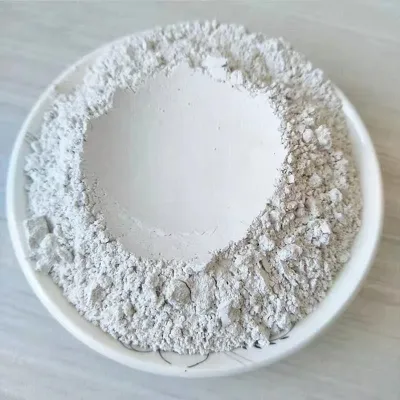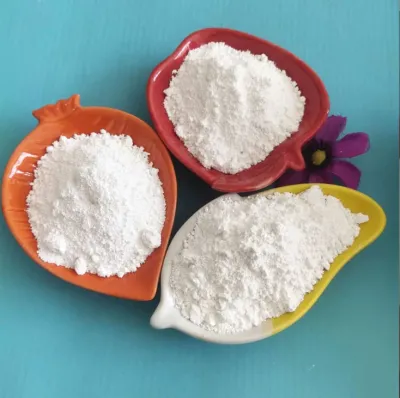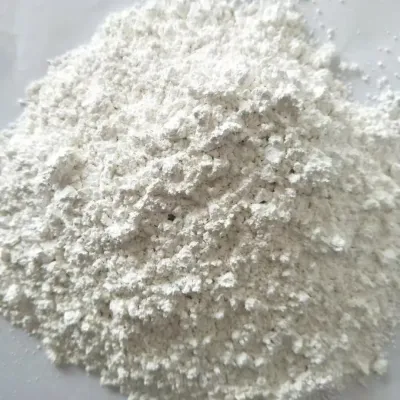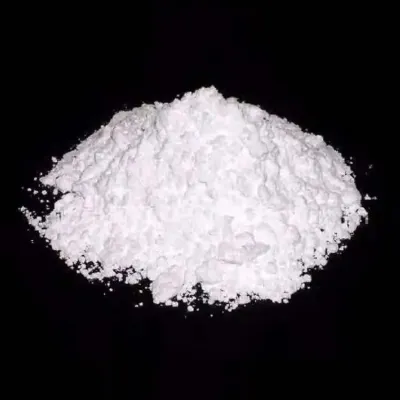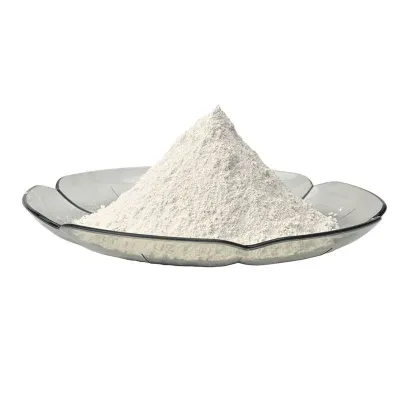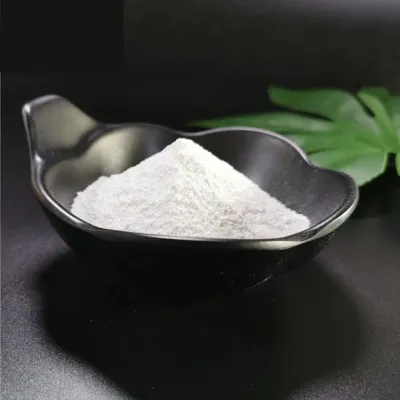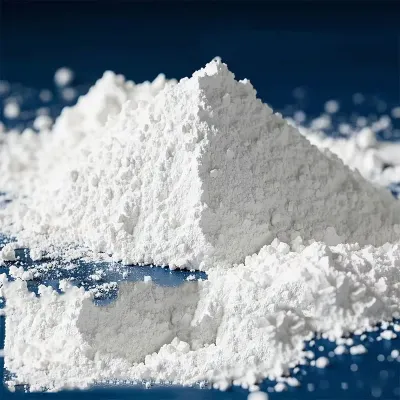
XM-T288 Rutile Titanium Dioxide TiO2 Pigment, 94% Purity, for Industrial Paint, Ink and Powder Coatings
-
ColorWhitePhysical formPowder
-
CAS No.13463-67-7Purity94%
-
Model NumberXM-T288Appearancewhite
-
Applicationpigment, paint, industrial ink and powder coating.ClassificationTitanium Dioxide
-
Grade StandardIndustrial GradeMolecular Formulatio2
Rutile identity narrows a pigment enquiry, while the coating specification determines what must be measured next. XM-T288 is an industrial white titanium dioxide pigment with 94% purity for paint, industrial ink and powder-coating evaluation.
Connect the rutile model to the paint requirement
State the actual binder and the optical properties that will determine acceptance for the intended film. Use XM-T288 and the declared assay to identify the candidate, then request current chemical analysis and a grade-specific technical report.
Ask for the treatment and particle evidence
Confirm which surface treatment applies and obtain a unit-defined particle distribution with its test method. These details support a meaningful pigment comparison without assuming that a rutile name or a model code describes every dispersion-related property.
How should whiteness and hiding power be compared?
Request a measured whiteness result with its method, and agree a relevant hiding-power test in the actual formulation. Powder colour and TiO2 percentage should remain distinct from finished-film opacity or a particular colour outcome.
Evaluate each intended binder system
Paint, industrial ink and powder coatings should use their own trial conditions and acceptance criteria. Any durability target also requires relevant evidence, rather than being inferred from the pigment phase or a high-whiteness description.
Provide the model and desired film criteria with the requested grade documents. That exchange makes the rutile-pigment comparison specific and gives the subsequent trial a defined purpose without an assumed optical-performance guarantee.