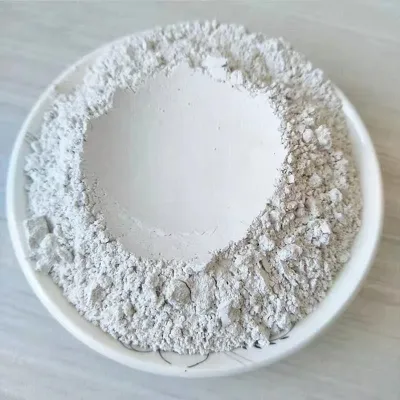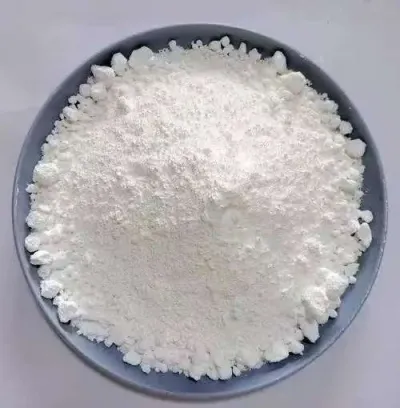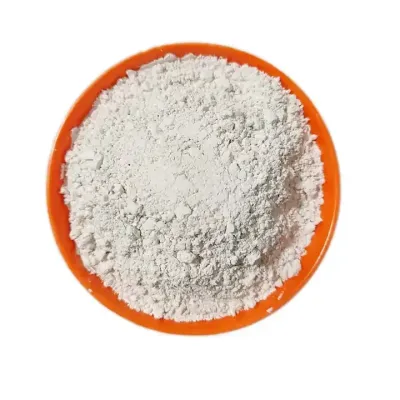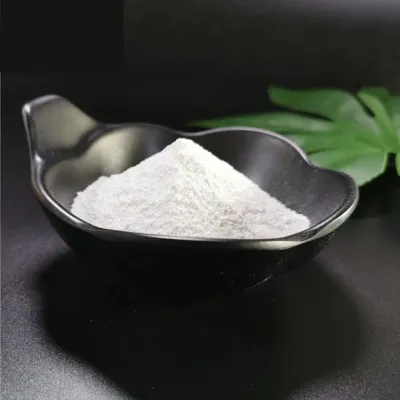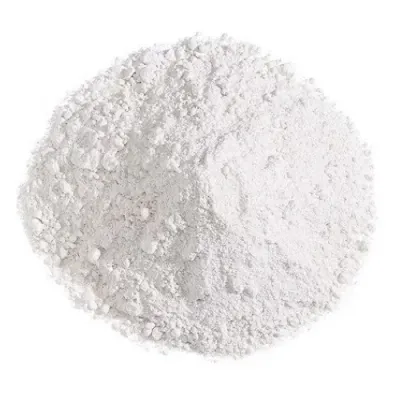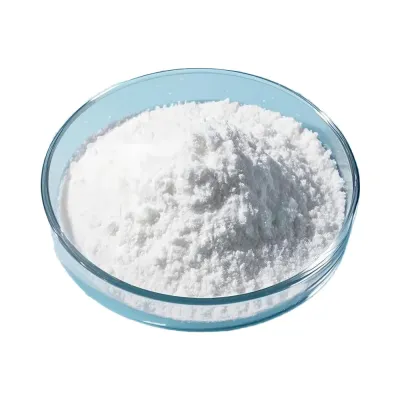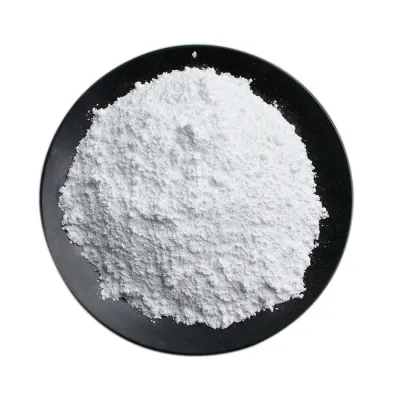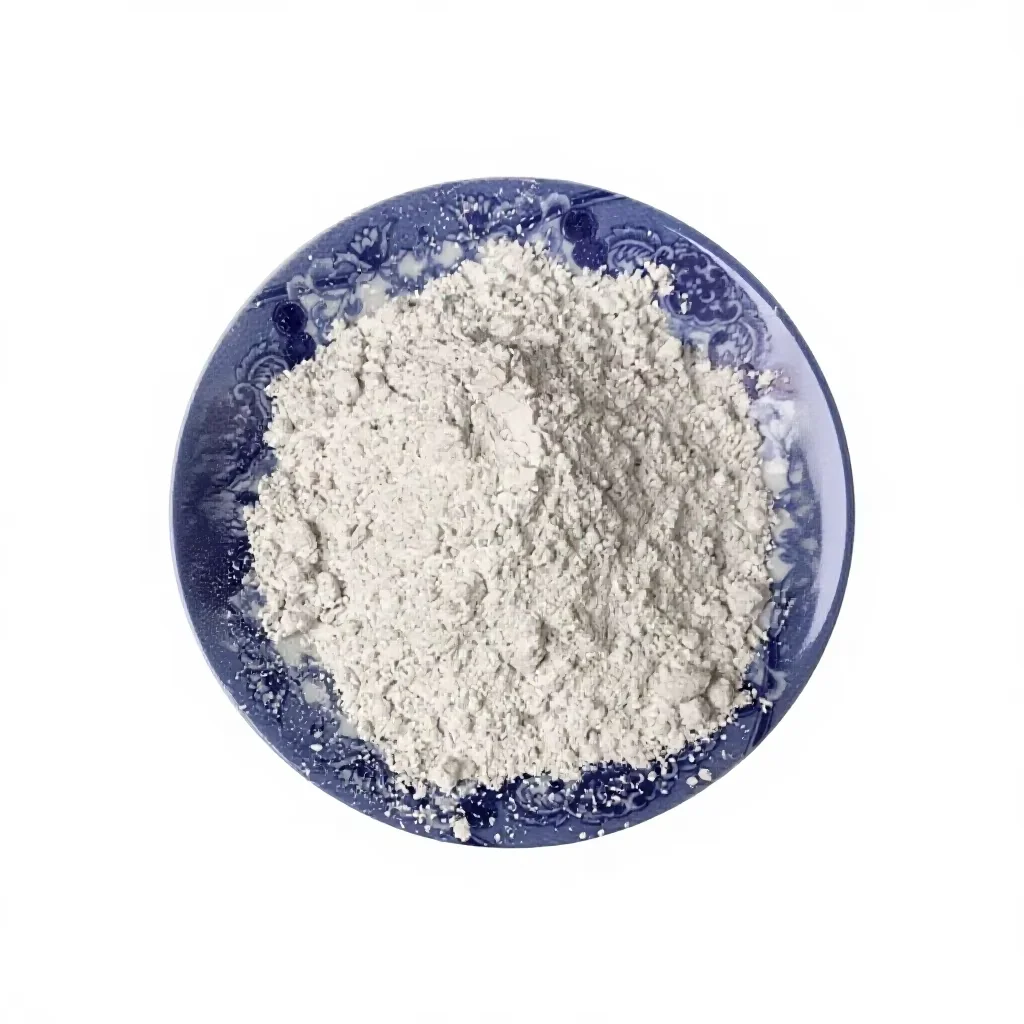
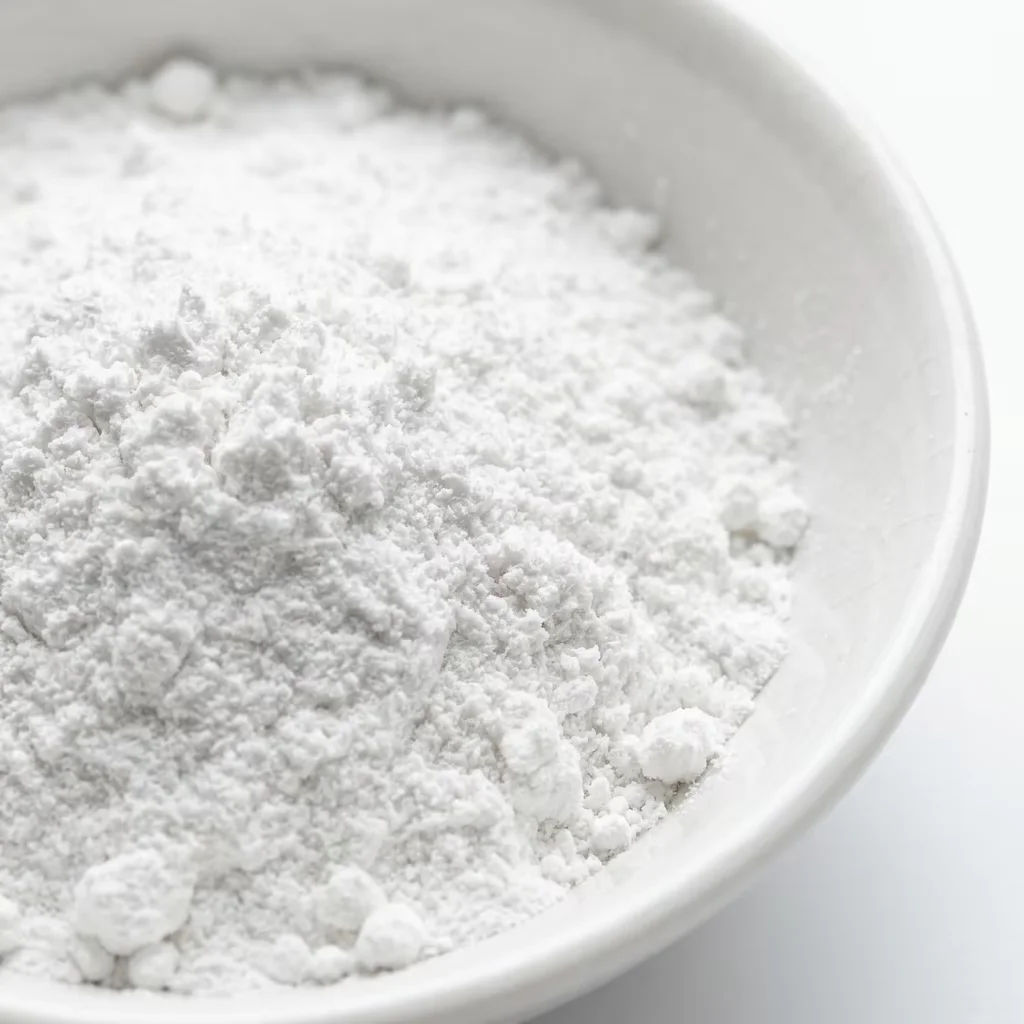
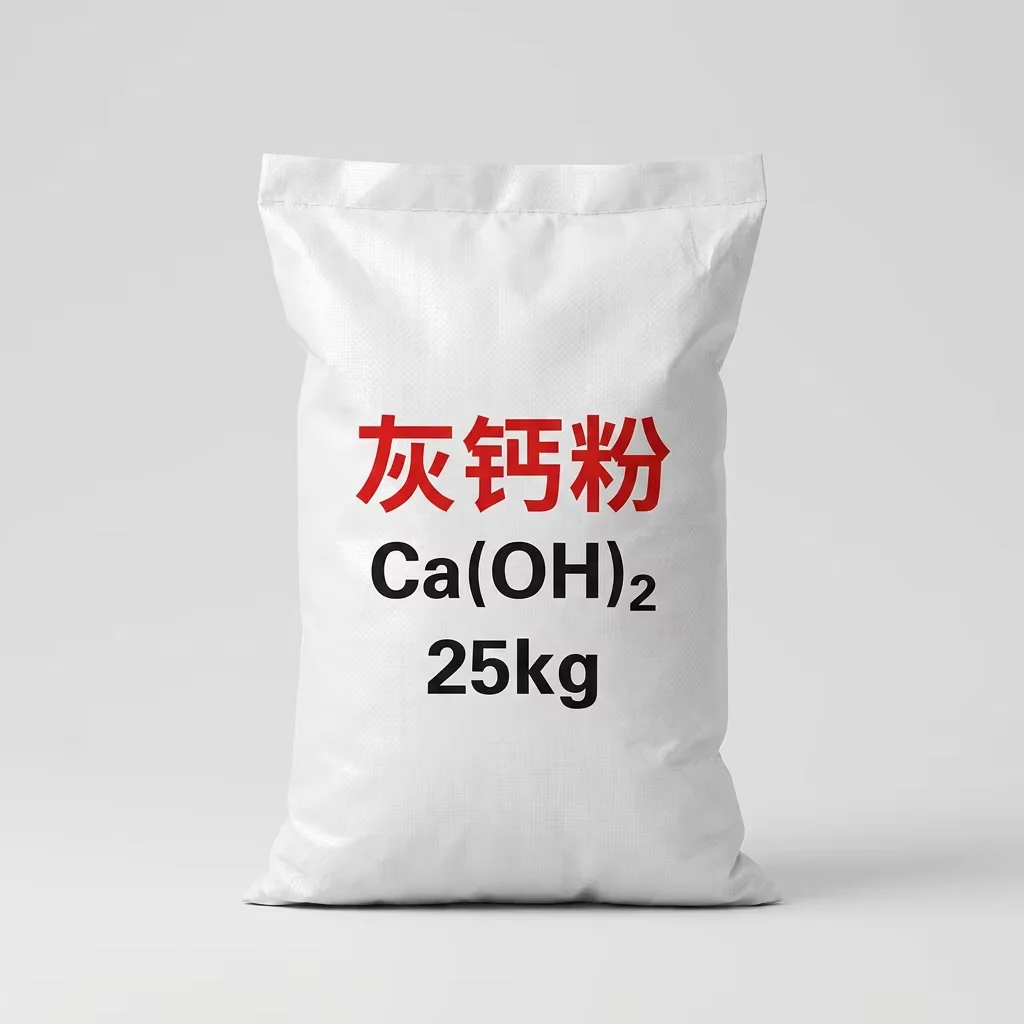
600 Mesh Calcium Hydroxide Ca(OH)2 Hydrated Lime White Industrial Powder for Putty, Joint Compound and Coating Paint Assessment
-
Particle-size designationMesh designationColorWhite
-
Physical formPowder
-
CAS No.1305-62-0Purity85%-93%
-
AppearanceWhite powderApplicationPaint, joint compound
-
ClassificationCalcium HydroxideEINECS No.215-137-3
-
Grade StandardIndustrial GradeMolecular FormulaCa(OH)2
-
Other NamesHydrated Lime
A putty or coating enquiry should identify the finished-material requirements before selecting hydrated lime. This industrial white calcium hydroxide powder is Ca(OH)2, also called hydrated lime, and carries a 600 Mesh designation.
Distinguish the putty brief from the paint brief
For putty powder or joint compound, describe the intended formulation and the characteristics that the trial must evaluate. For coating paint, set a separate acceptance brief for the actual system and its finished result.
Neither application name establishes adhesion, workability or coating performance. Ask the responsible technical team to define representative tests rather than assuming that an assessment in one formulation transfers to another.
Specify what the sample must demonstrate
Request an agreed assay specification and a current certificate of analysis for the proposed sample. Add a particle report with its test method so that the 600 Mesh designation can be considered alongside measured grading.
- Chemical acceptance
- Agree the analytical basis for the actual hydrated lime being evaluated.
- Physical acceptance
- Identify the particle measurements and any other properties required by the formulation brief.
The mesh name alone does not define an exact micron distribution. Any comparative grade advantage needs its own definition and evidence.
Use a traceable formulation trial
Review the technical sheet and safety data sheet before the sample evaluation. Keep the sample reference on the analytical, physical and application records so that the results concern the same material.
Judge the proposed hydrated lime against the agreed putty, joint-compound or paint criteria. This provides a basis for selection without prescribing a formulation or promising a particular finished-product improvement.