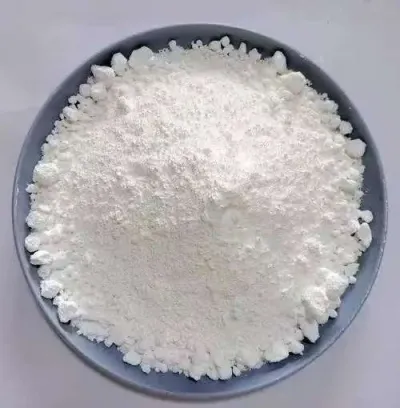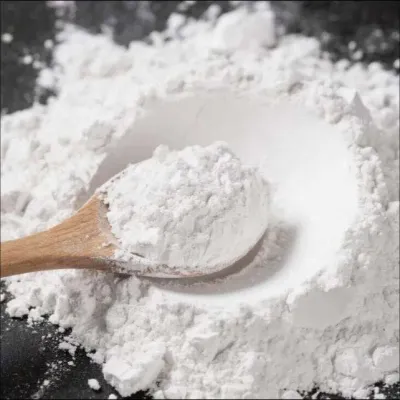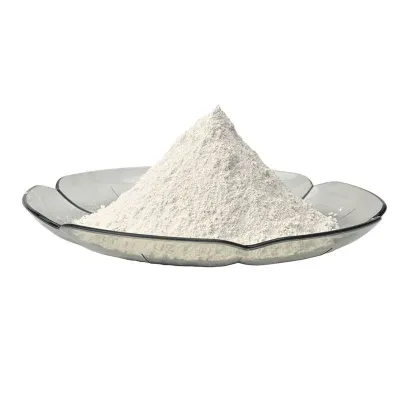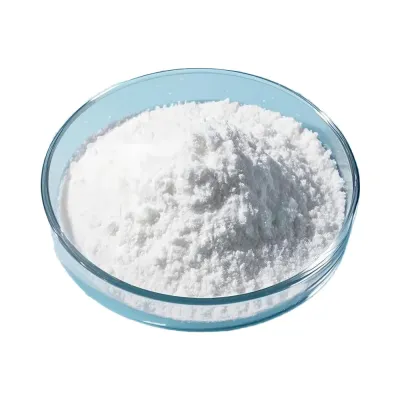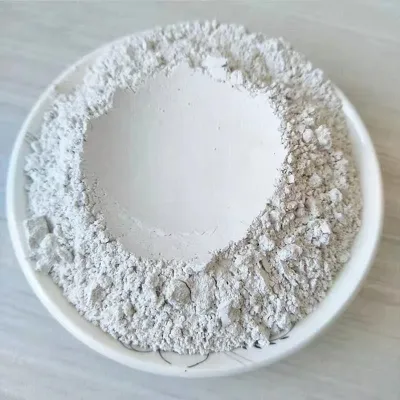
98.6% Barium Sulphate BaSO4 White Powder for High-Gloss Coating, Paint and Ink Evaluation
-
ColorWhitePhysical formPowder
-
CAS No.13462-86-7Purity98.6, 98.6
-
AppearanceWhite powderApplicationPowder coating
-
ClassificationSulphateEINECS No.231-784-4
-
Grade StandardHigh gloss powder coatingMolecular FormulaBaSO4
-
Other NamesBlanc fixeTypeBarium sulfate
-
Whiteness98.8D500.7
-
Hs code2833270000PH7-8
-
ApperanceWhite Prowder
A high-gloss coating requirement should begin with a defined finish test rather than a powder description alone. This white barium sulphate has a declared 98.6% purity and pH range of 7–8 for coating, paint and ink evaluation.
Make the high-gloss requirement measurable
Define the binder, film preparation and gloss criteria relevant to the actual coating project. Assess the offered BaSO4 powder against that brief, because a high-gloss application direction does not establish a measured result in the buyer's formulation.
Resolve the particle and whiteness definitions
Request a unit-defined D50 report and the scale and method used for whiteness. Those definitions are necessary before making a technical comparison; a familiar-looking number should not be assigned a particle unit or optical meaning by assumption.
- Chemical comparison
- Confirm the current assay and the accepted material limits.
- Formulation comparison
- Confirm treatment information and the trial conditions used for the intended binder.
Treat paint and ink trials on their own terms
Use the actual paint or ink requirements when setting acceptance tests for those applications. A result from one powder-coating system should not become an assumed dispersion or optical benefit in a different formulation.
Bring current chemical identification and the required measurement definitions into the grade enquiry. Combining those documents with a relevant finished-film trial gives the 98.6% white powder a clear evaluation path without an invented gloss guarantee.