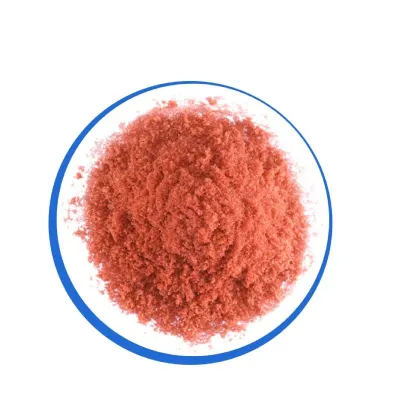
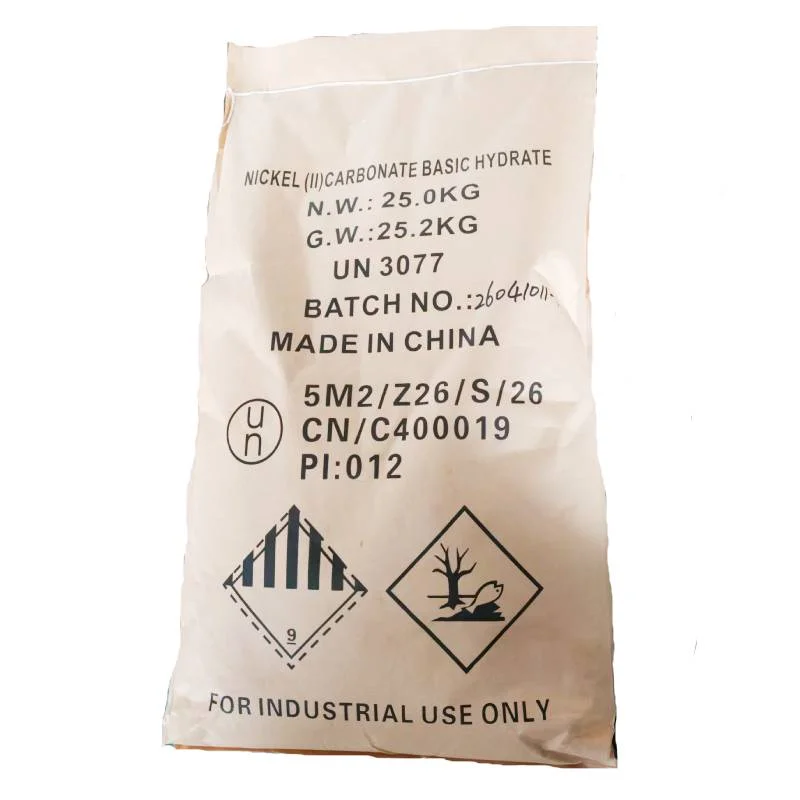
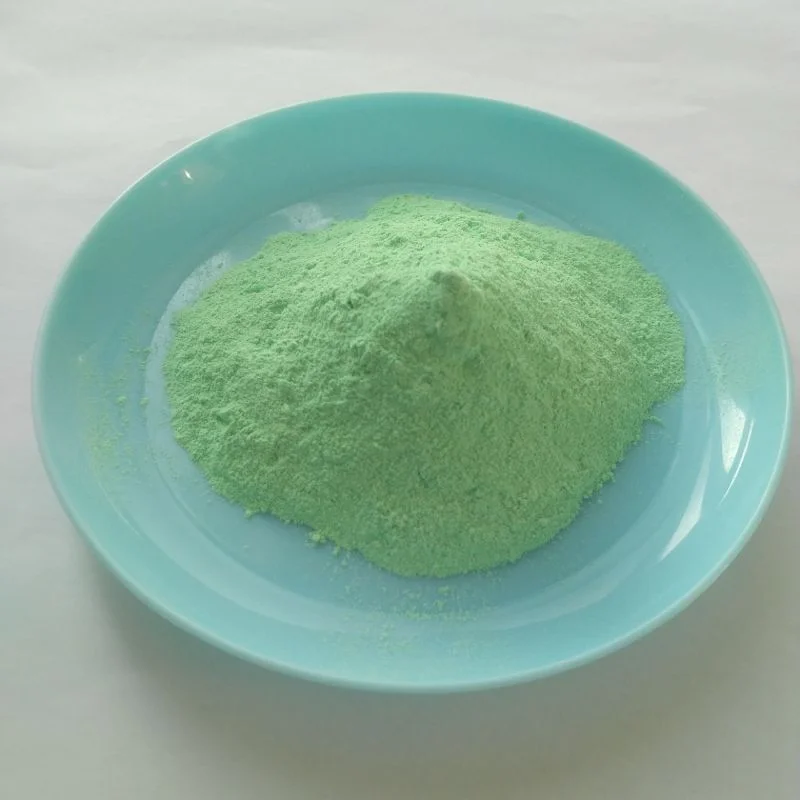
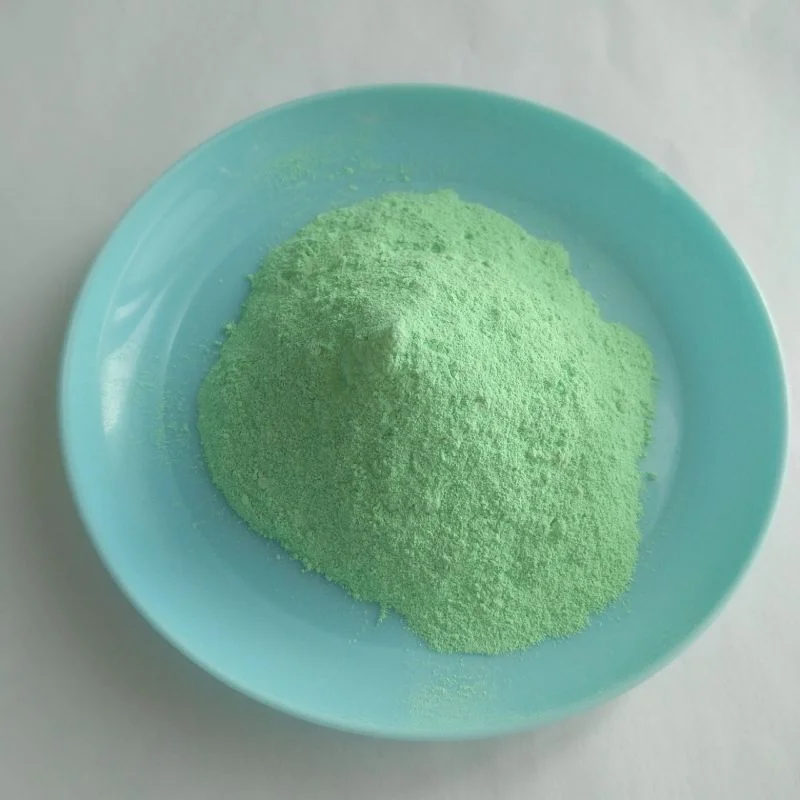
Basic Nickel Carbonate Green Powder, Ni 45% Minimum, for Electroplating-Chemical and Battery-Material Assessment
-
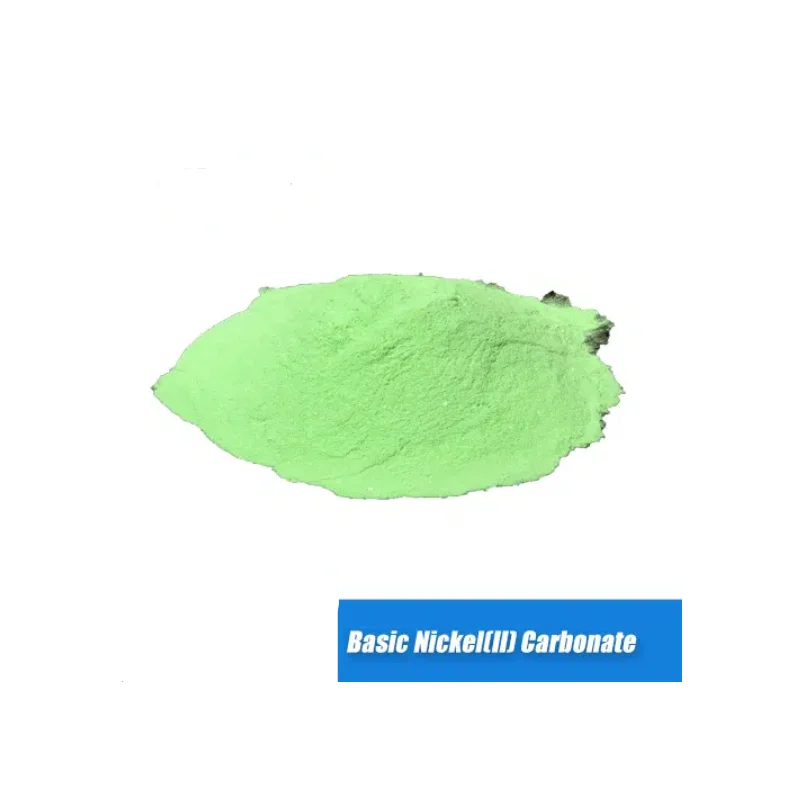
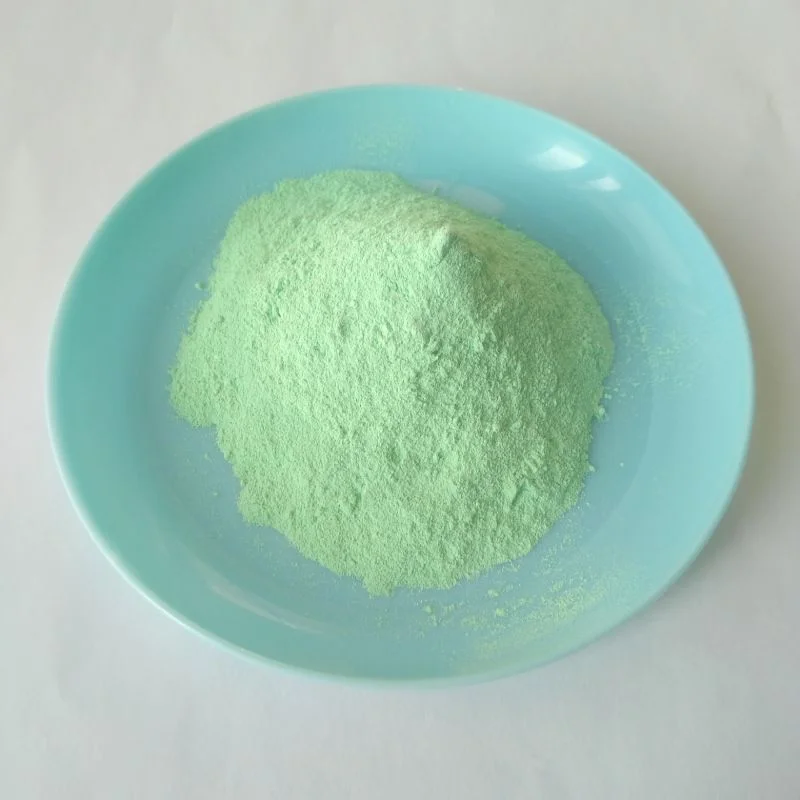
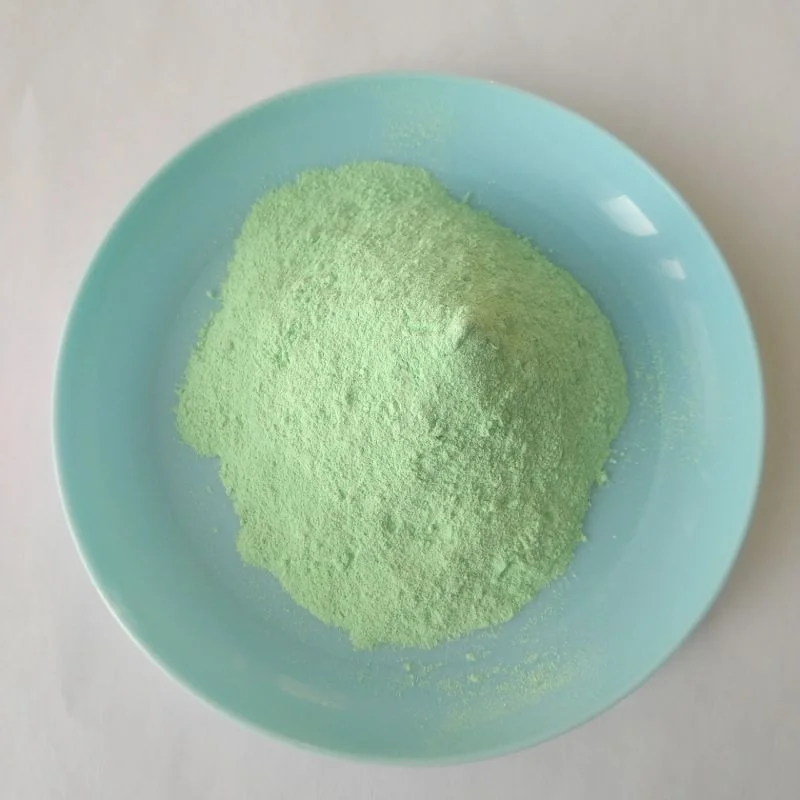
ColorLight greenPhysical formPowder
-
CAS No.12607-70-4Purity45%
-
AppearanceLight Green PowderApplicationBattery Materials, Catalysts, Electroplating Chemi
-
ClassificationCarbonateEINECS No.235-715-9
-
Grade StandardIndustrial GradeMolecular FormulaNiCO3*2Ni(OH)2*4H2O
-
Other NamesBasic Nickel Carbonate; Nickel Carbonate Basic; NiTypeNickel Carbonate
-
Product NameBasic Nickel CarbonateNickel Content45%-48%
-
DensityApprox. 3.5-4.0 g/cm³Water SolubilityInsoluble in Water
-
pH Value7.0-9.0Packing25kg PP Bag with PE Liner; 500kg/1000kg Jumbo Bag
-
HS Code2836999000Shelf Life24 Months
-
StorageStore in a Cool, Dry and Well-Ventilated PlaceSampleAvailiable
Electroplating-chemical and battery-material enquiries should state their accepted material limits independently. This industrial basic nickel carbonate is a light-green powder with declared nickel content of 45% minimum, offering a named grade starting point for a documented comparison.
Specify the electroplating-chemical material requirement
Describe the intended process and the chemical limits that the offered powder must meet. Request current composition, nickel-analysis basis and relevant impurities before qualification, because a nickel minimum does not establish a compound-purity guarantee or approval for a particular process.
Define the battery-material evidence separately
Identify the actual battery-material processing brief and the measurements used for acceptance. A source application direction supports an enquiry, while battery capacity or other electrochemical performance requires relevant material and process evidence rather than transfer from an electroplating use.
- Shared grade reports
- Current composition, nickel basis, impurities and method-defined powder data.
- Separate acceptance reports
- The actual process trial and required measurements for each application.
Review the stated density and product pH
The approximate density is 3.5–4.0g/cm³ and the stated product pH is 7.0–9.0, with methods to confirm. Obtain the pH test concentration and current safety documentation, and keep these material descriptors separate from operating settings.
The powder is described as insoluble in water, and samples are available with terms and current storage and shelf-life conditions to agree. Include the intended use and accepted chemical limits in the enquiry so the comparison rests on actual grade analysis and relevant qualification rather than an assumed approval or universal process benefit.